
Why Old Fears Cloud Our Clean Energy Future
There’s a strange split in today’s talk about energy. On one side, many scientists see modern nuclear power as a key tool to fight climate change. On the other, much of the public is stuck on fears from decades ago. This gap between the facts and our feelings isn’t an accident. It comes from a deep-seated fear with a long history that still affects our decisions about energy.
A recent chat on the tech publication fasterplease.substack.com with science historian Spencer Weart helps explain where this fear comes from. Weart, who wrote the book on this topic, “The Rise of Nuclear Fear,” has spent his career showing how our idea of the “atom” wasn’t shaped by clean power plants. Instead, it was shaped by the mushroom clouds of the Cold War. It’s vital to understand this difference as countries work to meet their climate goals.
The Shadow of the Atomic Bomb
According to historians like Weart, the fear of nuclear energy didn’t start with power plants. It started with the terrifying threat of the atomic bomb. For decades, the word “nuclear” was tied to images of total destruction, radioactive fallout, and the constant threat of global war. These powerful, negative ideas were easily passed from the military bomb to the civilian power plant in people’s minds.
This existing fear was then made much worse by major accidents. Events like Three Mile Island (1979), Chernobyl (1986), and Fukushima (2011) provided scary, real-life images that made people’s fears feel true. Even though such accidents are very rare (with casualty figures from Chernobyl still debated while the other two led to figures not yet confirmed for long-term health impacts), they became the main examples people think of when they talk about nuclear power. The emotional impact of these disasters is far stronger than any chart showing how much clean energy nuclear plants produce or how they compare to the dangers of fossil fuels.
Facts vs. Feelings
The challenge for energy experts today is that the two sides are having different conversations. Supporters of nuclear power use data from groups like the International Atomic Energy Agency (IAEA). They point out that nuclear has a very small carbon footprint and is incredibly reliable—it provides “always on” power that solar and wind can’t provide alone. Based on the numbers, they argue nuclear power is one of the safest ways to make energy.
But the public debate is often led by the old story of disaster. As the conversation with Weart shows, this isn’t a problem that can be fixed just by giving people more facts. It’s a battle of stories. The anti-nuclear story is simple, emotional, and has decades of cultural reinforcement. It’s a story of invisible poison and potential catastrophe.
To move forward, we can’t just dismiss these fears. We have to understand where they come from. The path forward involves building trust through total transparency and focusing on the advanced safety features of new, modern reactor designs. It requires creating a new, more hopeful story for nuclear energy—one centered on clean air, a stable climate, and energy independence. For younger generations who didn’t grow up with Cold War drills, the word “nuclear” may not carry the same weight. By communicating clearly and honestly about both the risks and the huge benefits, we can begin to separate the image of the power plant from the shadow of the bomb.
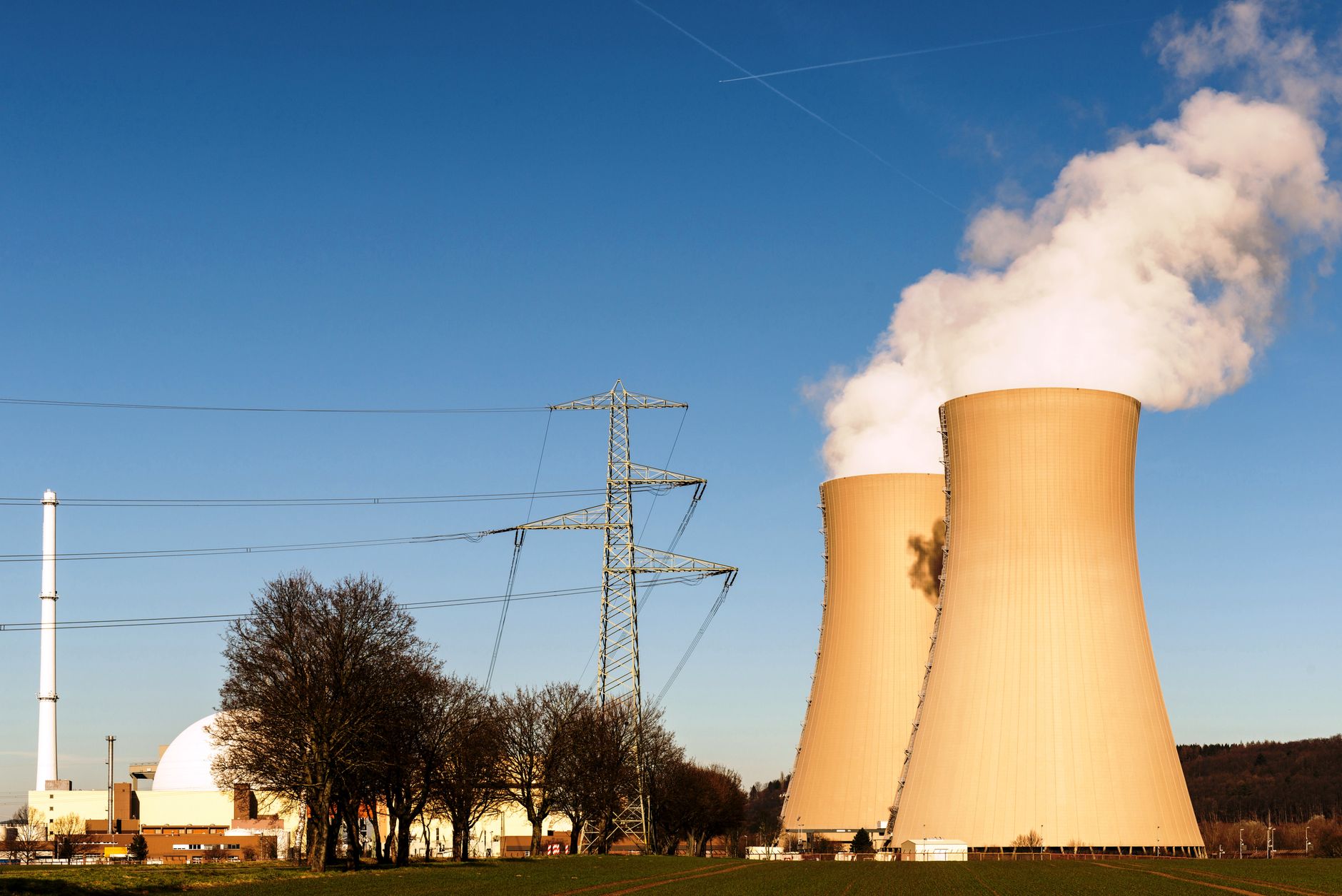
Image Credit: Photo by Wolfgang Weiser on Pexels