
As a new era of space exploration dawns, Germany is securing its place as a key player in humanity’s return to the Moon. Instead of launching its own costly missions, the nation is using its world-class engineering and industrial strength to become an essential partner in international lunar projects.
Recent reports, including a brief from The Herald Journal, highlight Germany’s smart and strategic approach to space. The German Aerospace Center (DLR) is not planning to go to the Moon alone. Instead, it is working closely with the European Space Agency (ESA) and NASA. This collaborative method allows Germany to play a vital role in one of the most exciting ventures of our time: the Artemis program, which aims to land astronauts back on the lunar surface.
German Engineering: Powering the Mission
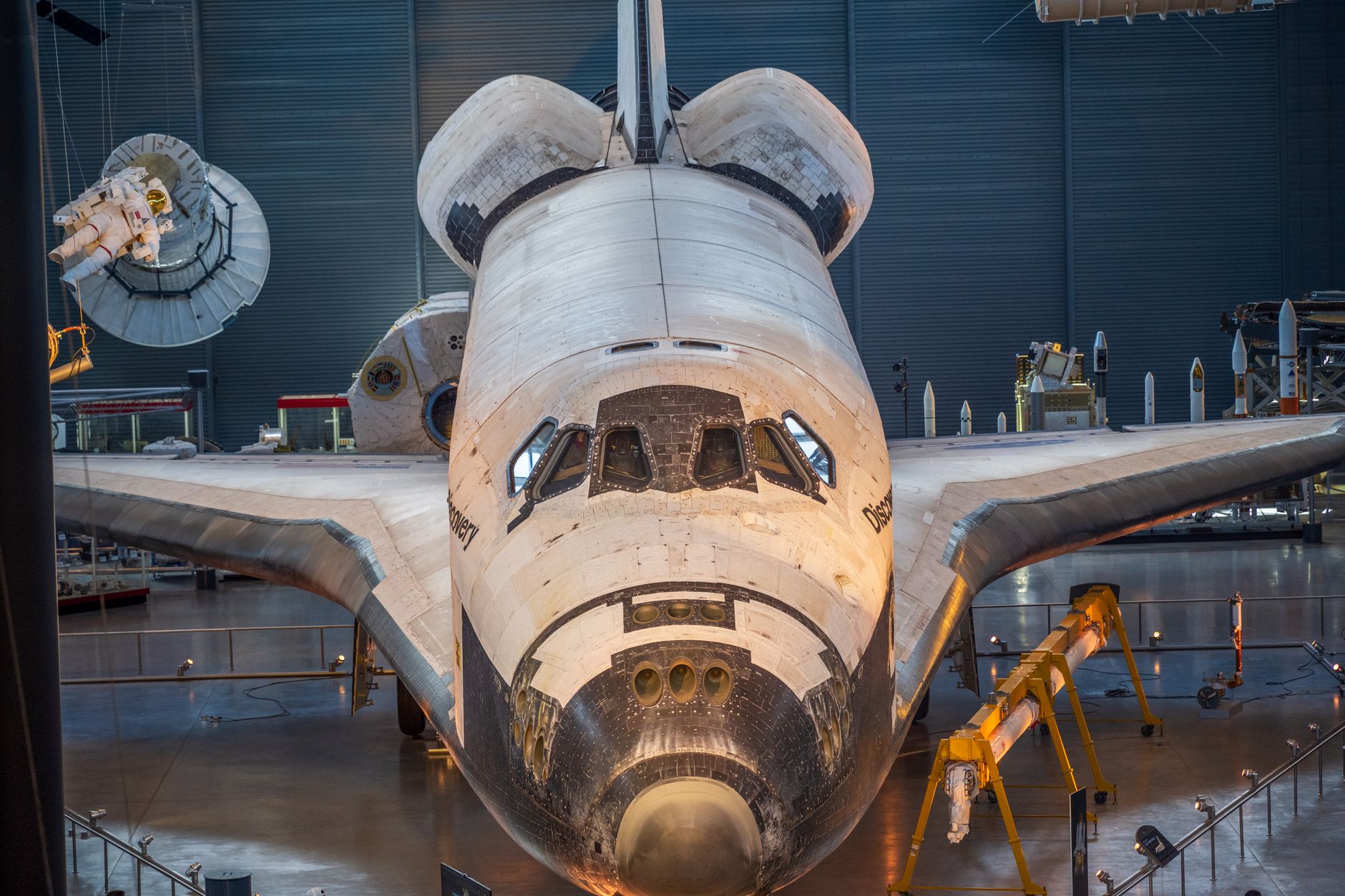
Germany’s most important contribution to the Moon mission is a critical piece of hardware: the European Service Module (ESM). Built mainly by the company Airbus in Bremen, Germany, the ESM is the powerhouse for NASA’s Orion spacecraft. This module provides everything the Orion capsule needs to travel through space, including propulsion, electricity, water, and oxygen for the astronauts. In short, without this German-led technology, the Orion spacecraft and its crew would be unable to make the journey to the Moon.
By providing such an essential component, Germany ensures it has an important voice in future discussions about lunar exploration. This includes decisions on scientific goals, the use of resources found on the Moon, and the rules that will govern activity there. It’s a calculated strategy that makes Germany an indispensable ally, a role that mirrors its success as a global leader in high-tech exports.
A Strategy of Smart Collaboration
Going to the Moon is incredibly expensive and risky. By choosing to be a partner instead of a solo competitor, Germany avoids the immense financial burden of developing a full mission from scratch. This approach has proven effective, allowing the country to focus on what it does best: advanced engineering and manufacturing. This ensures German technology is at the forefront of space exploration while being a cost-effective use of public funds.
This spirit of teamwork is central to the modern space race. The United States is leading the Artemis Accords, an agreement between a group of allied nations on principles for peaceful space exploration. By contributing to the Artemis program, Germany firmly aligns itself with this international bloc. This stands in contrast to other projects, like the proposed lunar station by China and Russia, showing that decisions about space are also about global partnerships.
Benefits Back on Earth
The investment in space technology like the ESM has significant benefits back on Earth. The advanced research needed for these projects drives innovation in many fields, such as new materials, computer systems, and clean energy. While exact figures are not yet confirmed, experts agree that for every dollar invested in space programs, the economy sees a return in the form of high-skill jobs and new technologies that can be used in everyday products.
These “spin-offs” can improve life for everyone. For example, the need for lightweight, strong materials for spacecraft can lead to better products on Earth, from cars to medical equipment. Furthermore, these ambitious projects inspire young people to pursue careers in science, technology, engineering, and math (STEM), ensuring a skilled workforce for the future and strengthening Germany’s position as an innovation hub.
Source: The Herald Journal
Image Credit: Photo by Guohua Song on Pexels