
Bollywood’s Sisterhood: Dhillon, Pannu, Monga Kapoor Champion Women in Cinema
Bollywood’s Sisterhood: Dhillon, Pannu, Monga Kapoor Champion Women in Cinema
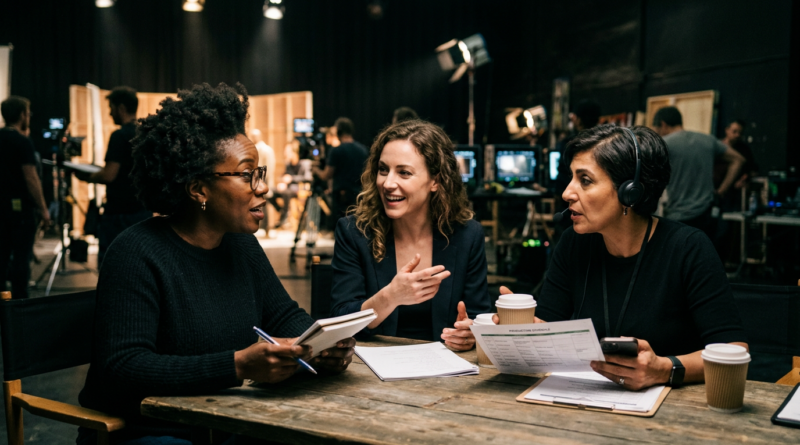
In a significant and timely discourse highlighting the evolving landscape of Indian cinema, industry heavyweights Kanika Dhillon, Taapsee Pannu, and Guneet Monga Kapoor recently convened to discuss the indispensable power of women supporting women within the film fraternity. This insightful conversation, as reported by bollywoodhungama.com, underscores a pivotal shift towards solidarity, collaborative growth, and the dismantling of traditional barriers among female professionals in an industry historically dominated by male voices and perspectives. The very act of these three prominent figures coming together to champion this cause sends a powerful message, emphasizing that collective action is key to driving meaningful change and fostering a truly inclusive environment.
The discussion brought together a formidable trio, each a trailblazer in her own right: Kanika Dhillon, a celebrated screenwriter known for her impactful and often unconventional narratives like Manmarziyaan, Haseen Dillruba, and Kedarnath, has consistently crafted complex female characters that challenge societal norms and offer fresh perspectives. Taapsee Pannu, a critically acclaimed actress and producer with a stellar filmography including box office successes like Pink, Thappad, and Badla, has not only delivered powerful performances but also actively advocates for women-centric stories through her production banner, Outsiders Films. Guneet Monga Kapoor, an Oscar-winning producer renowned for her groundbreaking work on films such as The Elephant Whisperers and Pagglait, has been instrumental in bringing diverse, often untold stories to global audiences. Their collective presence ignited a vibrant dialogue on fostering an environment where mutual encouragement propels careers, challenges systemic biases, and creates a robust support system for women across all departments of filmmaking, from pre-production to distribution and exhibition. The conversation delved into practical strategies for mentorship, resource sharing, and actively creating opportunities for women who might otherwise struggle to gain a foothold in the competitive industry.
Key Analysis: The Collective Strength Driving Change
Industry observers note that such high-profile discussions are crucial for amplifying the voices of women in an industry that, despite its glamour, has often struggled with gender parity. Kanika Dhillon, with her sharp screenwriting, has consistently championed complex female characters, contributing to a richer and more authentic narrative tapestry that reflects the diverse experiences of women. Her work often delves into the psychological depths of her protagonists, offering a nuanced portrayal rarely seen in mainstream cinema. Taapsee Pannu, not just an actor but also a producer under her banner Outsiders Films, actively seeks out and backs women-centric stories, providing platforms for female directors, writers, and technicians. Her recent film Dunki, which garnered a significant global box office collection (figures not yet confirmed), showcased her continued influence in mainstream cinema and her ability to balance commercial appeal with meaningful roles. Guneet Monga Kapoor, through Sikhya Entertainment, has been a trailblazer in independent cinema, bringing diverse stories and female talent to the fore, culminating in an Academy Award win that brought global recognition not just to her work, but to the potential of Indian independent cinema on the world stage. Her focus on nurturing new talent, especially female filmmakers, is a testament to her commitment to the cause.
The combined experience of these three women offers a multi-faceted perspective on both the creative and business aspects of filmmaking, providing a holistic view of the challenges and opportunities for women. This synergy creates a powerful ripple effect, inspiring budding female filmmakers, writers, technicians, and actors to pursue their aspirations with renewed vigor and confidence. The emphasis on ‘women supporting women’ goes beyond mere rhetoric; it signifies a conscious effort to build networks, share knowledge, and collectively push for policy changes that ensure equitable opportunities and a safer working environment. This includes advocating for better representation in decision-making roles, addressing the gender pay gap, and challenging ingrained stereotypes that limit female characters and narratives. The enthusiasm generated by such dialogues resonates deeply with audiences and critics alike, who increasingly seek authentic, diverse, and well-rounded storytelling that reflects contemporary society. The involvement of these game-changers signifies a move beyond tokenism towards genuine empowerment, where women are not just subjects but also architects of cinematic narratives and the industry’s future. This proactive approach to solidarity is pivotal in breaking down traditional barriers and fostering a more equitable, dynamic, and ultimately richer Indian film industry for generations to come.
This article was generated by AI based on publicly available news sources and may contain inaccuracies. For the original reporting, please refer to the cited sources. Learn more about our AI policy.