
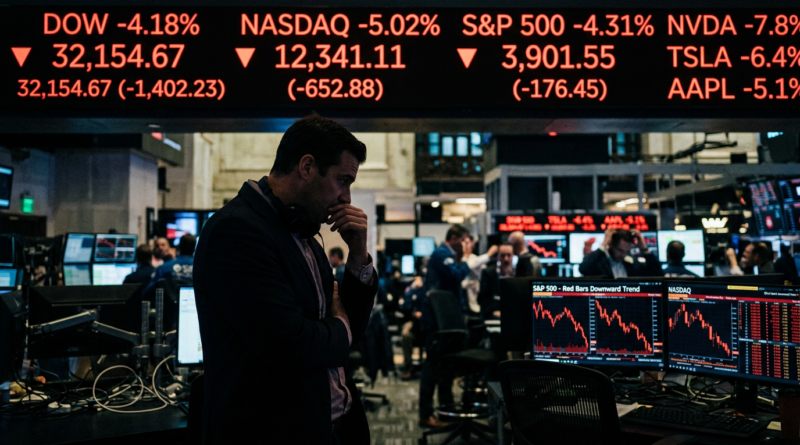
Indian Shares Fall: Oil Prices, Fed Hike Fears Spook Markets

Previously: Indian Shares Decline as HDFC Bank Drags Down Nifty, Sensex
Indian Shares Fall as Global Headwinds Intensify
Indian equity benchmarks retreated on Tuesday, pressured by a challenging global macroeconomic environment. According to a report from Reuters, the decline was primarily driven by two key factors: a surge in global oil prices and growing expectations of an imminent interest rate hike by the U.S. Federal Reserve. However, the report noted that a resilient performance from banking heavyweight HDFC Bank helped to cap the market’s losses, preventing a steeper fall.
The market sentiment soured as investors grappled with the implications of these twin headwinds. Rising crude oil prices are a significant concern for India, a major importer, as they can widen the current account deficit, fuel domestic inflation, and increase input costs for a wide range of industries. Simultaneously, the prospect of a more aggressive U.S. Federal Reserve tightening its monetary policy tends to draw capital away from emerging markets like India, as foreign portfolio investors (FPIs) seek higher and safer returns in U.S. assets. While the exact quantum of the fall in the NSE Nifty 50 and BSE Sensex was not detailed, the negative direction was clear.
Key Analysis: A Tale of Two Forces
Market observers note that this session highlights the classic push-and-pull dynamic influencing Indian equities. On one hand, persistent global risks—namely commodity inflation and hawkish central bank policies abroad—are acting as a significant drag. These factors threaten corporate profitability and trigger capital outflows, putting downward pressure on valuations across the board.
On the other hand, the role of specific index heavyweights in stabilizing the market cannot be understated. As per the Reuters report, HDFC Bank’s performance provided a crucial buffer. This suggests that despite the broad-based caution, investors may still be finding value in fundamentally strong, large-cap names, particularly in the banking sector. The bank’s ability to limit the overall index’s decline underscores its significant weightage in both the Sensex and Nifty and points to underlying confidence in its specific prospects, separate from the wider market’s anxieties.
Why This Matters in the Long Run
Today’s market action serves as a crucial reminder of the Indian market’s sensitivity to global macroeconomic shifts. While domestic growth stories and corporate earnings remain key long-term drivers, they do not exist in a vacuum. The performance of Indian equities will continue to be influenced by international oil price trends and the monetary policy trajectory set by the U.S. Federal Reserve. For investors, this underscores the importance of monitoring global cues and understanding how they translate into risks and opportunities within the domestic market. The resilience of certain blue-chip stocks amidst this volatility also reinforces the potential for a selective, stock-specific approach during periods of uncertainty.
Moving forward, market participants will be keenly watching for any commentary from the Reserve Bank of India (RBI) on managing imported inflation, alongside the official decision from the next U.S. Federal Reserve meeting.
Disclaimer: This article is AI-generated and is for informational purposes only. It does not constitute financial, investment, or legal advice. Always consult a qualified professional before making financial decisions.
Frequently Asked Questions
Why did Indian shares fall?
According to Reuters, Indian shares fell due to concerns over rising oil prices and increasing bets that the U.S. Federal Reserve would hike interest rates.
What role did HDFC Bank play in the market today?
The report states that HDFC Bank’s performance helped to “cap the losses,” meaning it prevented the broader market indices from falling even further.
What are the main global factors affecting the Indian stock market mentioned in the report?
The two primary global factors mentioned were the movement in global crude oil prices and monetary policy decisions by the U.S. Federal Reserve.
This article was generated by AI based on publicly available news sources and may contain inaccuracies. For the original reporting, please refer to the cited sources. Learn more about our AI policy.