
Critical Shift: India’s Blue Economy Accounting, Climate Risk Integration in 2026

Critical Shift: India’s Blue Economy Accounting, Climate Risk Integration in 2026
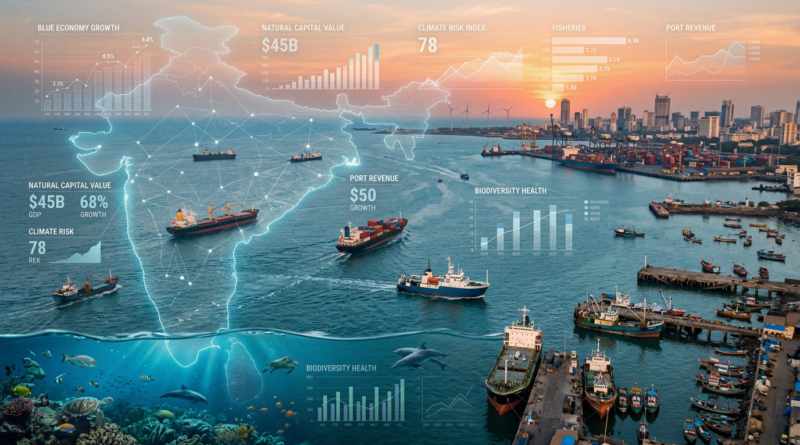
India is embarking on a significant strategic initiative to integrate natural capital and climate risk accounting into its burgeoning blue economy. While specific implementation timelines, such as the year mentioned in this article’s title, are part of ongoing discussions and planning rather than definitively confirmed dates derived from the original reports, this move signifies a foundational shift with profound implications for the nation’s financial markets and corporate sector. This pioneering approach aims to move beyond conventional economic indicators, offering a more holistic valuation of India’s ocean-based resources and their associated risks, directly influencing investment strategies and market valuations.
Context of the Pioneering Initiative and its Financial Underpinnings
The initiative, as reported by The Hindu, involves developing robust methodologies to quantify the economic value of ecological services provided by marine ecosystems – from fisheries and coastal protection to carbon sequestration. Simultaneously, it focuses on identifying financial exposures stemming from climate change, including the tangible impacts of sea-level rise, ocean acidification, and extreme weather events on coastal infrastructure and marine industries. For investors and financial institutions, this translates into a demand for greater transparency regarding the environmental liabilities and assets of blue economy enterprises. The plan to begin this accounting framework aims to equip market participants with crucial data to better assess the long-term sustainability and profitability of companies operating in these sectors.
Analysis: Market Logic and Investor Implications
From a stock market perspective, the systematic integration of natural capital and climate risk accounting into the blue economy framework is a critical development. While direct, immediate impacts on broad market indices like the Sensex or Nifty might not be isolated overnight, the long-term implications for specific sector performance are significant. Companies involved in fisheries, marine biotechnology, coastal tourism, shipping, and port operations will face heightened scrutiny. Those that proactively adapt to these evolving accounting standards, demonstrating reduced climate risk exposure and sustainable practices, are likely to command higher investor confidence, improved credit ratings, and potentially lower cost of capital. Conversely, entities failing to address these environmental and climate-related risks could face de-ratings, increased insurance premiums, and reduced access to capital, reflecting a fundamental shift in market logic towards valuing resilience and sustainability. This strategic shift is anticipated to enhance transparency for both domestic and international investors, enabling more informed capital allocation in climate-vulnerable yet economically crucial sectors, aligning India with global best practices in sustainable finance.
Key Analysis: Driving Sustainable Investment and Corporate Strategy
This framework also opens avenues for innovative financial products, such as blue bonds and sustainability-linked loans, channeling capital towards projects that contribute positively to marine ecosystems. It signifies India’s commitment to fostering a ‘blue economy’ that is not only economically vibrant but also ecologically sound and climate-resilient. The proposed timeline for the commencement of this comprehensive accounting system, while still subject to finalization, underscores a strategic intent to embed environmental stewardship into economic planning. This initiative is expected to drive corporate accountability, foster innovation in sustainable technologies, and ultimately contribute to the long-term stability and growth of India’s capital markets by de-risking investments in a climate-changing world.
Frequently Asked Questions
What is natural-capital accounting in the context of the blue economy?
Natural-capital accounting involves systematically quantifying the economic value of environmental assets, such as marine ecosystems and their services, within the blue economy framework.
What is the blue economy?
The blue economy encompasses all economic activities related to oceans, seas, and coasts, including sectors like fisheries, marine tourism, shipping, and offshore energy.
Why did India begin climate-risk accounting for its blue economy?
India initiated climate-risk accounting to assess the financial implications of climate change on its marine and coastal resources, aiming to inform sustainable development policies and mitigate economic exposures.
This article was generated by AI based on publicly available news sources and may contain inaccuracies. For the original reporting, please refer to the cited sources. Learn more about our AI policy.
Pingback: Key Approval: Jio Platforms IPO Regulatory Nod, Retrospective 2026 | The Pivot News
Pingback: India's 'Anaemic' 5% VC Recovery of 2024 | The Pivot News
Pingback: Analysis: The $75M Cronos Exploit & Its Lessons | The Pivot News
Pingback: Hyundai Capital India: Shaping Auto Finance Landscape | The Pivot News
Pingback: Critical Insurance Regulatory Updates August 2026 | The Pivot News
Pingback: China Studies in India: A Critical Review for 2026 | The Pivot News