

AI 2035 Impact: Assessing Future Tech Predictions in 2026
As humanity accelerates towards the mid-21st century, the ambitious predictions surrounding Artificial Intelligence’s transformative power by 2035 are increasingly coming into focus, with 2026 offering a crucial vantage point to assess its trajectory.
An article by Electronics Media, titled “Future of AI: How Artificial Intelligence Could Transform Business, Robotics and Society by 2035,” published in prior years, outlined a comprehensive vision for AI’s profound impact. This piece served as an early marker for the anticipated shifts across various sectors, prompting ongoing discussions among technologists, economists, and policymakers about the pace and nature of these changes as we approach the predicted horizon.
Industry Perspectives: AI’s Rapid Trajectory
The rapid advancements in AI since that Electronics Media report have largely affirmed the overarching theme of significant transformation, though specific manifestations continue to evolve. In business, the integration of advanced AI models has moved beyond mere automation, extending into predictive analytics, hyper-personalized customer experiences, and sophisticated supply chain optimization. Companies, from nascent startups to established multinational corporations, are leveraging AI for strategic decision-making, as reports suggest, leading to unprecedented efficiencies and new market opportunities.
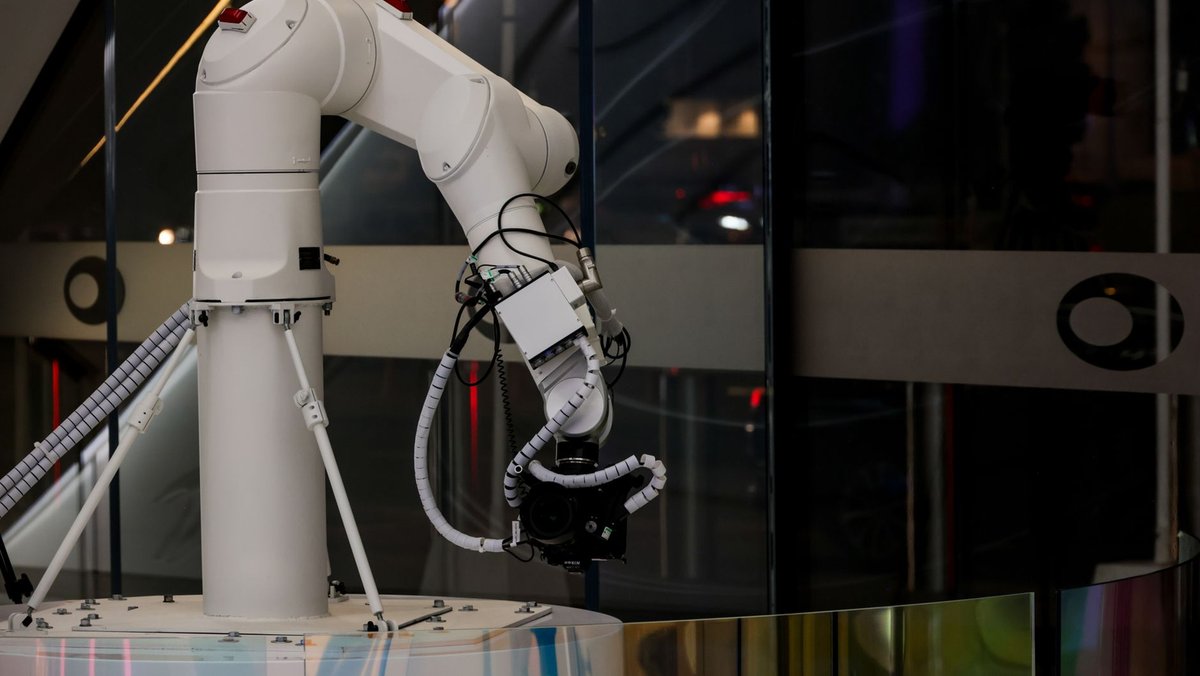
Robotics, a field intrinsically linked with AI, has seen a parallel surge. By 2026, autonomous systems are no longer confined to manufacturing floors; they are increasingly deployed in logistics, healthcare, and even complex infrastructure maintenance. The fusion of advanced sensory input, real-time data processing, and sophisticated machine learning algorithms has propelled robotics into new domains, impacting labor markets and operational paradigms globally. Industry observers note a growing emphasis on human-robot collaboration, addressing concerns about job displacement while enhancing productivity.
Societally, the pervasive influence of AI is undeniable. From intelligent personal assistants that manage daily tasks to AI-driven tools aiding in scientific discovery and medical diagnostics, the technology has woven itself into the fabric of everyday life. Ethical considerations, data privacy, and the responsible development of AI continue to be paramount, driving regulatory discussions across the US, UK, EU, and Japan. Leading research institutions, including those in Silicon Valley and Europe, are actively exploring frameworks to ensure beneficial and equitable AI deployment.
Why This Matters in the Long Run
The Electronics Media article’s 2035 timeframe highlights a critical decade of development and integration. The foundational work and rapid scaling observed by 2026 are setting irreversible precedents for how economies function, how societies interact, and how humanity approaches complex challenges. The trajectory suggests that by 2035, AI will not merely be a tool but an integral, often invisible, layer of global infrastructure, necessitating continuous adaptation, education, and ethical stewardship to harness its full potential while mitigating risks.
The journey towards an AI-transformed 2035, as envisioned by Electronics Media, is well underway, marked by relentless innovation and profound societal shifts that demand proactive engagement from all stakeholders.
Image Credit: Photo by Pavel Danilyuk on Pexels