
- AI and Quantum Tech: The Ongoing Transformation of Healthcare by 2026
- Science Majors 2026: Future-Proofing Careers in a Rapidly Evolving World
- AlienSync’s 2026 Tech Trends: A Glimpse into Tomorrow’s Innovations
AI and Quantum Tech Reshaping Healthcare by 2026
As of October 1, 2026, the convergence of Artificial Intelligence (AI) and quantum computing technologies continues to fundamentally reshape the landscape of healthcare and medical research. What was once a futuristic vision, as highlighted in earlier analyses such as the Forbes article on the topic, is now an accelerating reality, driving unprecedented advancements in diagnostics, drug discovery, and personalized medicine.
The initial forecasts regarding AI’s potential in healthcare focused on its capacity to analyze vast datasets, identify complex patterns, and enhance diagnostic accuracy. By 2026, these capabilities are widely integrated into clinical practice, with AI-powered tools assisting radiologists in detecting subtle anomalies, pathologists in analyzing tissue samples, and clinicians in predicting disease progression. Quantum computing, while still in its nascent stages of widespread application, is beginning to demonstrate its profound potential, particularly in molecular modeling and drug development, areas where classical supercomputers reach their computational limits.
Key Analysis: The Symbiotic Evolution
Industry observers note that the true power lies in the symbiotic relationship between advanced AI algorithms and the burgeoning capabilities of quantum systems. AI excels at pattern recognition and predictive analytics, while quantum computing offers the promise of simulating molecular interactions with unparalleled precision. This synergy is particularly impactful in pharmaceutical research, where the traditional drug discovery pipeline is notoriously time-consuming and expensive. Quantum-enhanced AI models are accelerating the identification of novel drug candidates, optimizing compound structures, and predicting efficacy and toxicity profiles with greater accuracy than previously possible.
The ethical implications and societal impact of these technologies are also under intense scrutiny. As AI systems become more autonomous in diagnostic processes, questions surrounding accountability and bias in algorithms remain central. Global labs and universities, including institutions like Stanford and DeepMind, are actively researching explainable AI (XAI) to ensure transparency and trust in these critical medical applications. Similarly, the immense computational power of quantum tech raises concerns about data security and the potential for new forms of cyber threats, necessitating robust quantum-resistant cryptographic solutions.
Why This Matters in the Long Run
The long-term trajectory for AI and quantum technology in healthcare points towards a future of truly personalized and preventative medicine. The ability to model individual patient biology at a molecular level, coupled with AI’s capacity to tailor treatment plans, suggests a paradigm shift from reactive to proactive healthcare. This evolution promises not only to extend human lifespans but also to dramatically improve the quality of life for millions globally, offering solutions to previously intractable diseases. The global market implications are monumental, with significant investments from both public and private sectors driving further innovation and competition in this transformative domain.
As we move deeper into the decade, the integration of AI and quantum tech will continue to redefine what is possible in health and medicine, demanding ongoing ethical deliberation and strategic investment to harness their full potential responsibly.
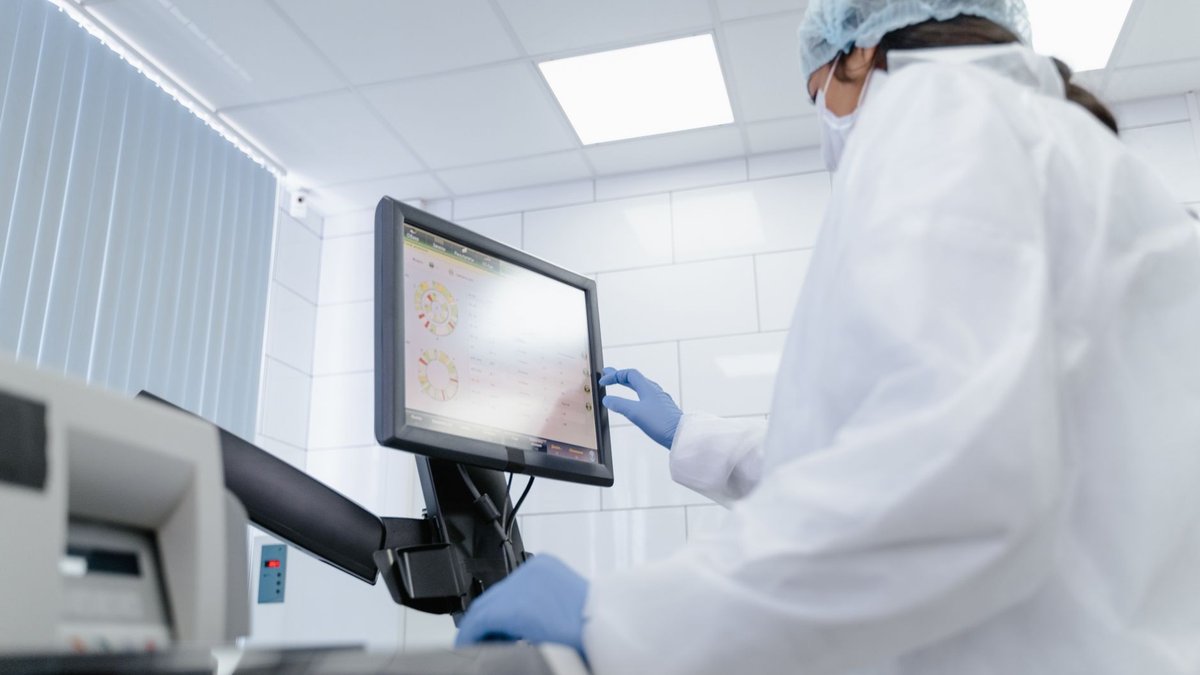
Image Credit: Photo by Tima Miroshnichenko on Pexels