- Vigilant Aerospace: Top 4 Robotics Firm in Fast Company’s 2026 Tech Awards
- BC’s $1M Emergency Aircraft Power Project: 2026 Retrospective
In 2026, the integration of artificial intelligence (AI), drones, and robotics has fundamentally reshaped the capabilities of emergency services, particularly in fire and rescue operations. What once seemed futuristic is now standard, with these technologies providing unprecedented levels of situational awareness, safety, and efficiency for first responders worldwide.
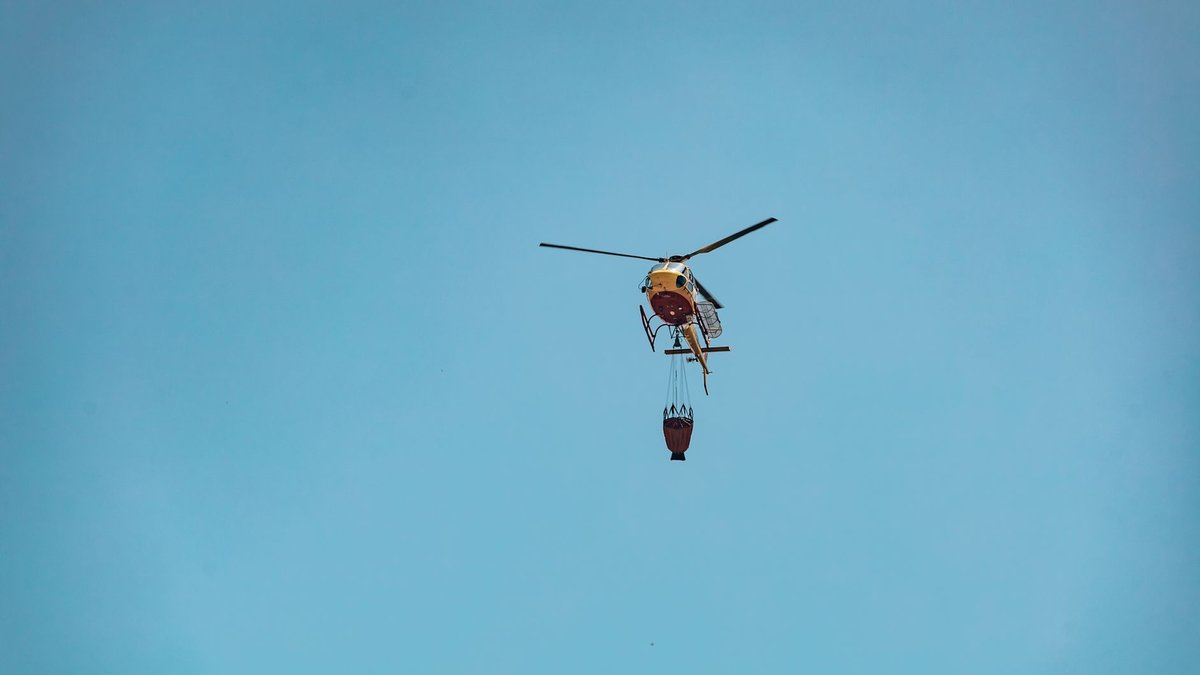
The transformation is driven by the imperative to enhance safety for personnel while improving outcomes in high-stakes scenarios. Drones, equipped with thermal cameras and high-resolution optics, offer real-time aerial intelligence, allowing incident commanders to assess fire spread, identify trapped individuals, and map hazardous environments from a safe distance. Robotics, ranging from remote-controlled firefighting units to nimble search-and-rescue bots, can navigate unstable structures or hazardous material zones, mitigating direct human exposure to danger.
Key Analysis: The Symbiotic Role of Advanced Tech
The true power lies in the symbiotic relationship between these technologies. AI serves as the intelligent backbone, processing vast datasets collected by drones and robots. This includes predictive analytics for fire risk assessment, optimizing resource deployment, and guiding response routes in complex urban landscapes. For instance, AI algorithms can analyze historical incident data, weather patterns, and building schematics to forecast potential fire hotspots or predict the most efficient evacuation paths. Industry observers note that this data-driven approach significantly reduces response times and enhances tactical decision-making.
Furthermore, the ethical implications and societal impact of these advancements are under continuous review. While the benefits in saving lives and protecting property are clear, discussions around data privacy, the reliability of autonomous systems in critical situations, and the potential for job displacement or skill re-calibration for human responders remain central. Leading research institutions like MIT and Stanford continue to publish extensively on human-AI collaboration models in emergency management, emphasizing augmentation rather than replacement.
Why This Matters in the Long Run
The continued evolution of AI, drones, and robotics in emergency response is not merely an incremental improvement; it represents a paradigm shift towards proactive, data-informed disaster management. As urban centers become denser and climate-related incidents more frequent, these technologies are critical enablers for building resilient communities. The global market for public safety technology, heavily influenced by these innovations, is projected to see sustained growth, reflecting the indispensable role they now play in national and international emergency preparedness strategies. This trend underscores a future where technology is intrinsically woven into the fabric of public safety, demanding continuous innovation and adaptation from all stakeholders.
The ongoing integration points to a future where first responders are empowered with an ever-expanding array of intelligent tools, ensuring safer operations and more effective outcomes in the face of complex challenges.
Image Credit: Photo by Liane Ferreira on Pexels