- UT Austin’s AI-Native Hospital: Two Years On, Redefining Healthcare
- Deep Space Healthcare: NASA & Google AI Robot Progress 2026
- NASA, Google’s AI Medical Robot Test: A Look Back at Deep Space Health Autonomy
In a pivotal advancement for extraterrestrial exploration, NASA and Google continue to rigorously test an AI-powered medical robot designed to provide autonomous healthcare during deep space missions. This collaborative initiative, as reported by Nextgov/FCW, represents a critical leap in ensuring astronaut well-being and mission sustainability far beyond Earth’s immediate reach, a development keenly observed by the space and tech sectors in late 2026.
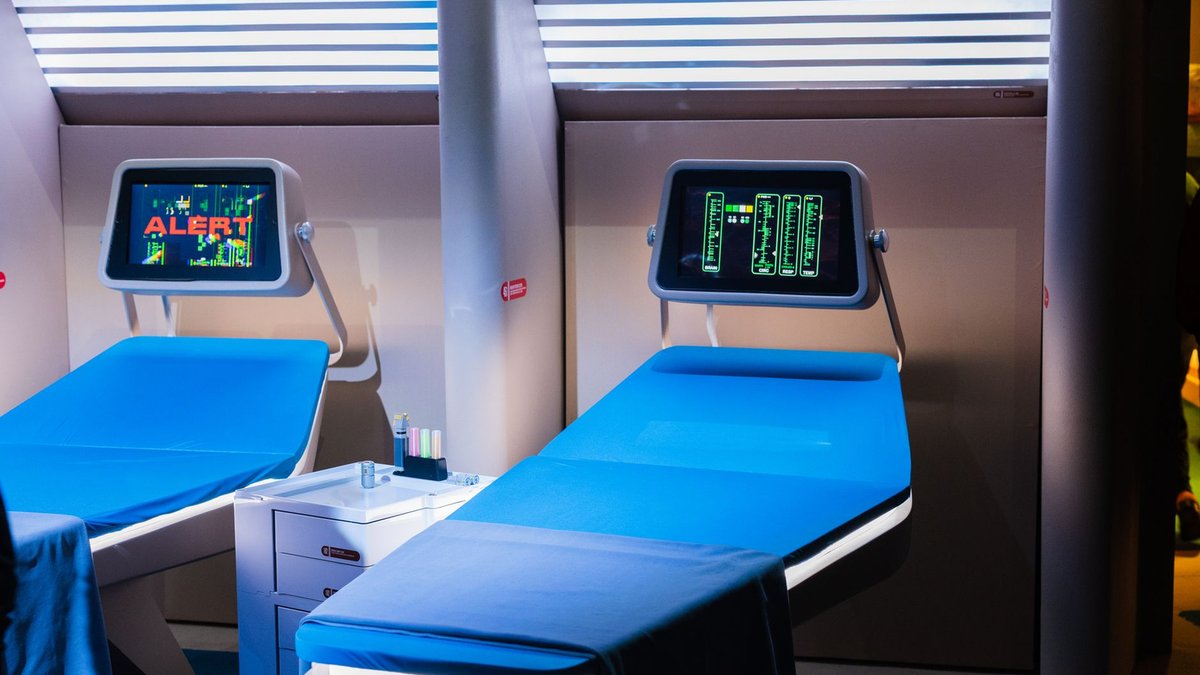
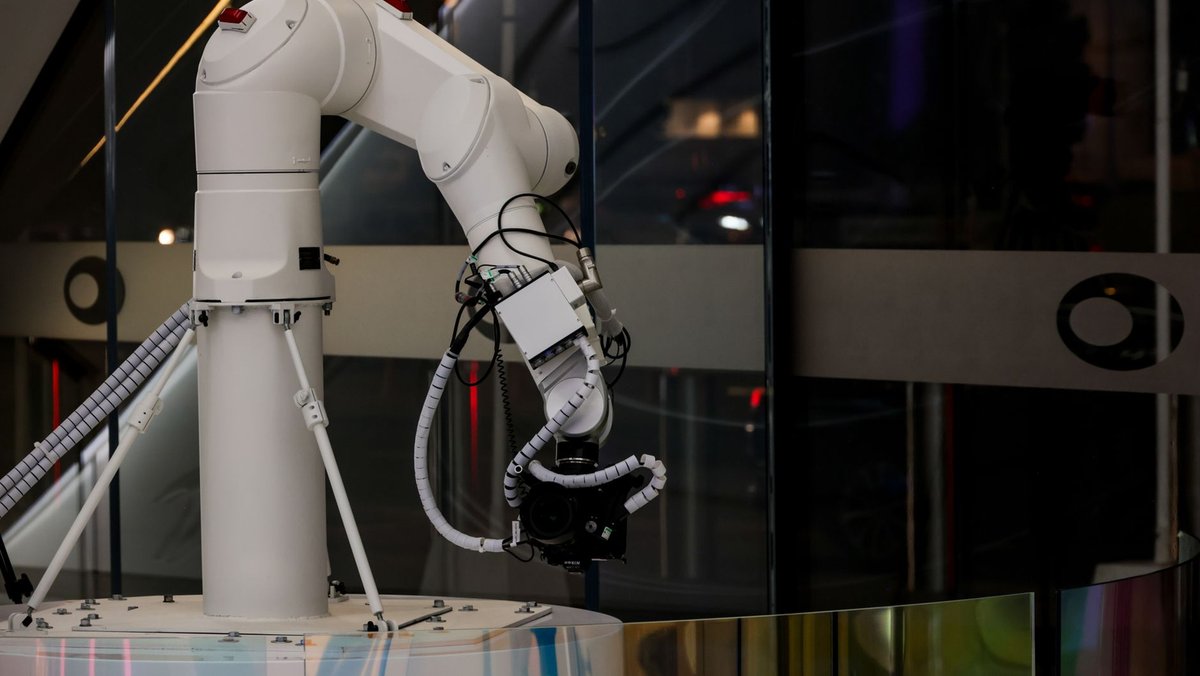
The joint project focuses on developing and validating a sophisticated robotic system capable of diagnosing illnesses, administering treatments, and performing complex medical procedures without direct human intervention. This innovation directly addresses one of the most formidable challenges of long-duration space travel: the inherent impossibility of immediate terrestrial medical support. With missions to Mars and beyond requiring years away from Earth, onboard autonomy in critical systems, particularly healthcare, becomes not just an advantage but a necessity.
Revolutionizing Space Medicine Autonomy
The core ‘why’ behind this AI innovation lies in the sheer logistical and temporal constraints of deep space. As analysts suggest, traditional medical emergency protocols, reliant on real-time communication with Earth-based specialists, become untenable when light-speed communication delays stretch into minutes or even hours. This AI medical robot is engineered to bridge that gap, integrating advanced diagnostic algorithms, robotic manipulation, and a vast medical knowledge base to act as an immediate, intelligent caregiver. Researchers at NASA’s Johnson Space Center, collaborating with Google’s AI division, are pushing the boundaries of machine learning to ensure diagnostic accuracy and therapeutic efficacy in a zero-gravity, high-radiation environment.
The implications extend beyond mere emergency response. This technology promises continuous, proactive health monitoring, leveraging AI to detect subtle physiological changes that could precede serious conditions. Such predictive analytics, a cornerstone of modern AI healthcare research from institutions like Stanford and DeepMind, are vital for maintaining peak astronaut performance and preventing mission-critical health events. The development also opens avenues for ethical discussions regarding autonomous decision-making in life-or-death medical scenarios, prompting a deeper look into the human-AI partnership in extreme environments.
Key Analysis: Terrestrial Spinoffs and Market Evolution
From a broader perspective, the advancements achieved through this NASA-Google collaboration are poised to generate significant terrestrial spinoffs. The sophisticated remote diagnostic and treatment capabilities being refined for space could revolutionize healthcare delivery in remote Earth-bound locations, disaster zones, or even underserved rural communities. Industry observers note the potential for a new global market in AI-driven remote medical systems, impacting sectors from telemedicine to robotic surgery. The rigorous testing and validation required for spaceflight will undoubtedly set new benchmarks for reliability and safety in autonomous medical technology across all applications.
Why This Matters in the Long Run
This AI medical robot is more than just a piece of hardware; it is a foundational component for humanity’s long-term aspirations in space. Enabling self-sufficiency in medical care directly facilitates extended human presence on the Moon, the establishment of Martian colonies, and ambitious exploratory missions deeper into the solar system. It underscores a fundamental shift from human-assisted technology to truly autonomous systems, a trend that will define future endeavors not only in space but across critical infrastructure and hazardous environments globally. The success of this robot will be a testament to our capacity to empower machines to safeguard human life where humans cannot readily intervene.
As testing continues, the NASA-Google AI medical robot stands as a powerful symbol of our evolving relationship with artificial intelligence, poised to redefine the limits of human endurance and exploration.
Image Credit: Photo by Tope J. Asokere on Pexels