- Gix Internet’s AI Robotics Redefines Medical Logistics at Sheba Medical Center
- Gix Internet’s AI Robotics Transform Hospital Logistics by 2026
- Robotic Surgery’s Shanghai Pivot: Intuitive Surgical’s Enduring China Strategy
AI-Powered Hospital Robotics: A 2024 Milestone in Medical Logistics
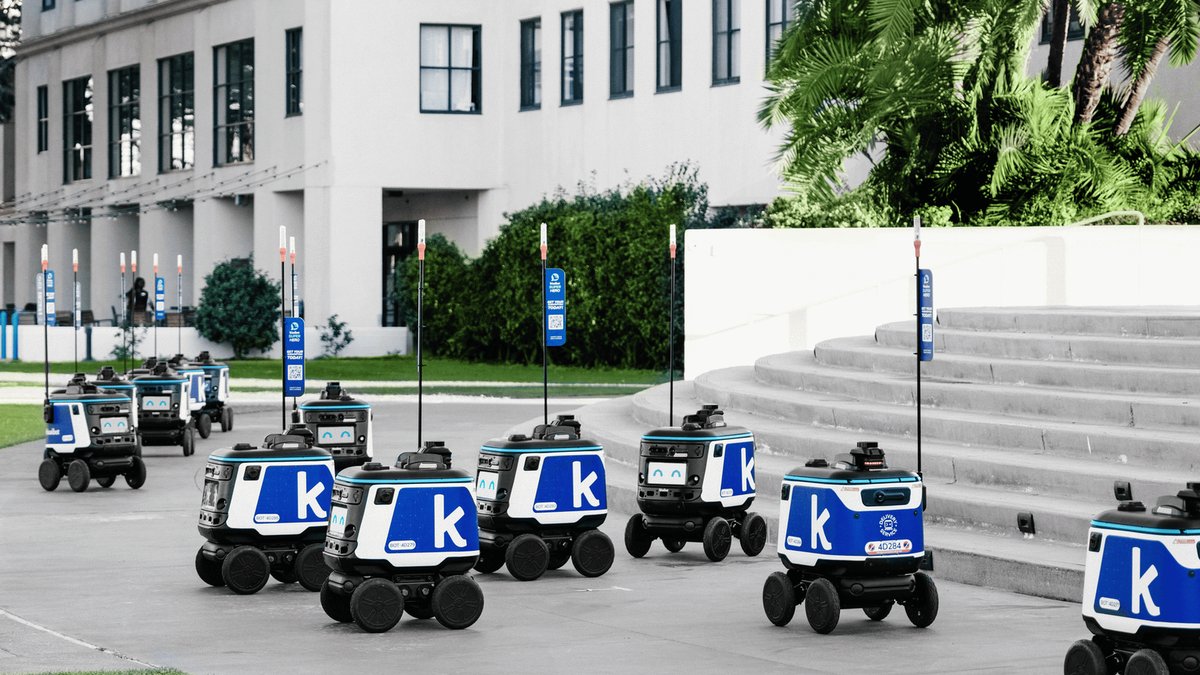
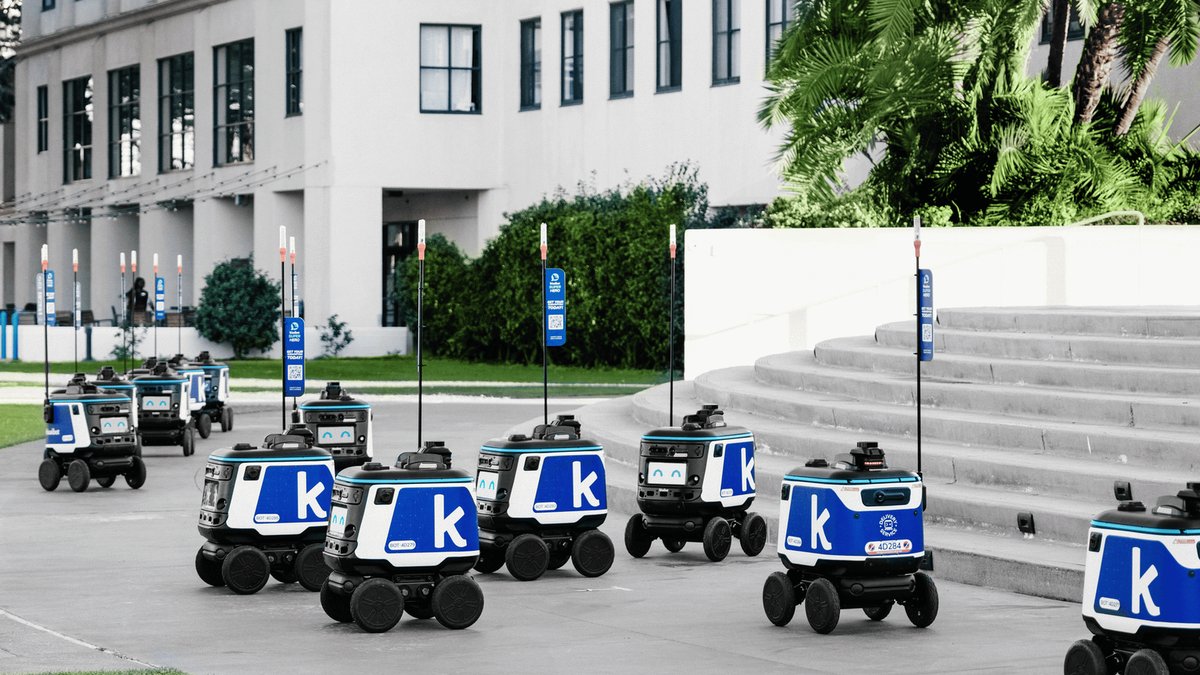
In a significant step towards autonomous healthcare, reports from 2024 detailed Gix Internet’s expansion of AI-powered hospital robotics to handle critical blood and bone marrow deliveries at Israel’s esteemed Sheba Medical Center. This strategic integration marked a pivotal moment in medical logistics, leveraging artificial intelligence to enhance efficiency and safety in the distribution of vital supplies within a complex hospital environment.
The 2024 initiative, as reported by Yahoo Finance, saw Gix Internet deploy its advanced robotic systems to automate the transportation of highly sensitive medical materials. Sheba Medical Center, a global leader in medical innovation, served as the proving ground for this technology, aiming to reduce human error, accelerate delivery times, and free up medical staff for direct patient care. The ‘why’ behind this innovation is rooted in the persistent challenges of internal hospital logistics: the need for speed, precision, and reliability in delivering time-sensitive and life-critical items across sprawling medical campuses.
Key Insights: The Automation Imperative in Healthcare
The deployment of AI-powered robotics for blood and bone marrow deliveries underscores a growing imperative within the healthcare sector for automation. Analysts suggest that such systems offer unparalleled consistency and traceability, crucial for managing sensitive biological materials. By automating these processes, hospitals can mitigate risks associated with manual transport, such as delays, misplacement, or contamination, directly impacting patient outcomes where minutes can matter.
This early adoption at Sheba Medical Center showcased the practical application of AI in optimizing operational workflows. The AI component in these robotics is not merely about movement; it involves intelligent route optimization, real-time monitoring of payloads, and predictive maintenance to ensure uninterrupted service. This level of autonomy allows for a seamless integration into existing hospital infrastructure, learning and adapting to dynamic demands, which was a significant factor in its success post-2024.
Why This Matters in the Long Run
The Gix Internet and Sheba Medical Center partnership, initiated in 2024, serves as a foundational case study for the broader adoption of AI in healthcare logistics. Its success has informed subsequent developments in autonomous intra-hospital transport systems globally. By demonstrating the feasibility and benefits of robotic delivery for high-stakes materials, it has paved the way for more comprehensive automation across pharmacies, laboratories, and surgical wards. Beyond immediate efficiency gains, this trend points towards a future where medical professionals are increasingly supported by intelligent systems, allowing them to focus on complex decision-making and direct patient interaction, ultimately elevating the standard of care. It also highlights the growing interdependency between cutting-edge technology firms and leading medical institutions in driving transformative change.
The integration of AI-powered robotics for critical deliveries, as pioneered by Gix Internet and Sheba Medical Center, continues to shape the trajectory of smart hospital design and operational excellence.
Image Credit: Photo by Catalina Carvajal Arango on Pexels