- SingularityHub’s Weekly Tech Roundup: A Glimpse into 2026 Innovation
- Future Revealed: Humanoid Robot Home Cleaning 2026
- AI & Robotics: US Manufacturing’s Future Unveiled 2026
AI & Robotics Transform US Manufacturing: The 2026 Outlook
The integration of Artificial Intelligence and advanced robotics is fundamentally reshaping the landscape of American manufacturing, driving a new era of efficiency and innovation across the sector.
As of late 2026, the U.S. manufacturing sector is experiencing a profound transformation, moving beyond traditional automation to intelligent systems that promise to enhance productivity, optimize supply chains, and foster greater resilience in domestic production. This ongoing evolution is detailed in recent analyses, including a Q&A published by Tech Xplore, which explores the multifaceted impact of these cutting-edge technologies on industrial operations.
The Strategic Imperative: Why AI and Robotics Now?
The strategic pivot towards AI and robotics in American manufacturing is driven by a confluence of critical factors: the persistent demand for higher productivity in competitive global markets, the imperative for increased precision in complex manufacturing processes, and the overarching need for supply chain resilience. AI algorithms are enabling unprecedented levels of predictive maintenance, significantly reducing costly downtime, and optimizing production flows in ways previously unimaginable. Robotics, particularly collaborative robots (cobots), are increasingly working alongside human operators, adeptly taking on dangerous, repetitive, or ergonomically challenging tasks. This not only improves workplace safety but also allows human workers to pivot towards more intricate, value-added roles requiring critical thinking and problem-solving. This integration is not merely about replacing labor but augmenting human capabilities, creating more agile, adaptable, and efficient production lines.
Societal Impact and Global Market Implications
The broader implications for the American economy are substantial. While initial societal concerns often center on potential job displacement, industry observers note a parallel emergence of entirely new job roles. These positions require specialized skills in AI programming, robotics maintenance, data analytics, and human-robot interaction. This necessitates substantial, proactive investment in workforce reskilling programs and STEM education initiatives across the nation. Globally, this technological leap is designed to bolster the competitiveness of U.S. manufacturing, potentially leading to a significant resurgence in domestic production and a strategic reduction in reliance on volatile overseas supply chains. The market reflects this shift, with increased venture capital flowing into industrial automation startups and AI solution providers, signaling a robust growth trajectory for these segments.
Expert Insights
According to the Tech Xplore Q&A, experts emphasize that the successful integration of AI and robotics hinges on a holistic approach that combines aggressive technological adoption with strategic, long-term workforce development. The primary challenge lies not just in deploying advanced machinery and algorithms, but in meticulously designing workflows and organizational structures that maximize their potential while proactively mitigating potential societal disruptions. Pioneering research from institutions like MIT’s Computer Science and Artificial Intelligence Laboratory (CSAIL) continues to push the boundaries of robotic dexterity and AI-driven decision-making, setting critical benchmarks for future industrial applications and fostering continuous innovation.
Why This Matters in the Long Run
The sustained and strategic adoption of AI and robotics is paramount for the long-term economic security, national competitiveness, and innovation capacity of the United States. It represents a fundamental pivot towards high-value manufacturing, enabling the domestic production of more sophisticated and technologically advanced goods. This fosters a resilient industrial base that is inherently less susceptible to global economic shocks and geopolitical uncertainties. This technological renaissance has the potential to redefine global manufacturing leadership, positioning the U.S. as a premier hub for advanced, intelligent production, while simultaneously addressing critical environmental sustainability goals through optimized resource utilization and reduced waste.
As American manufacturing continues its intelligent evolution, the dynamic interplay between human ingenuity and advanced technology promises a future characterized by unprecedented efficiency, groundbreaking innovation, and enduring economic strength.
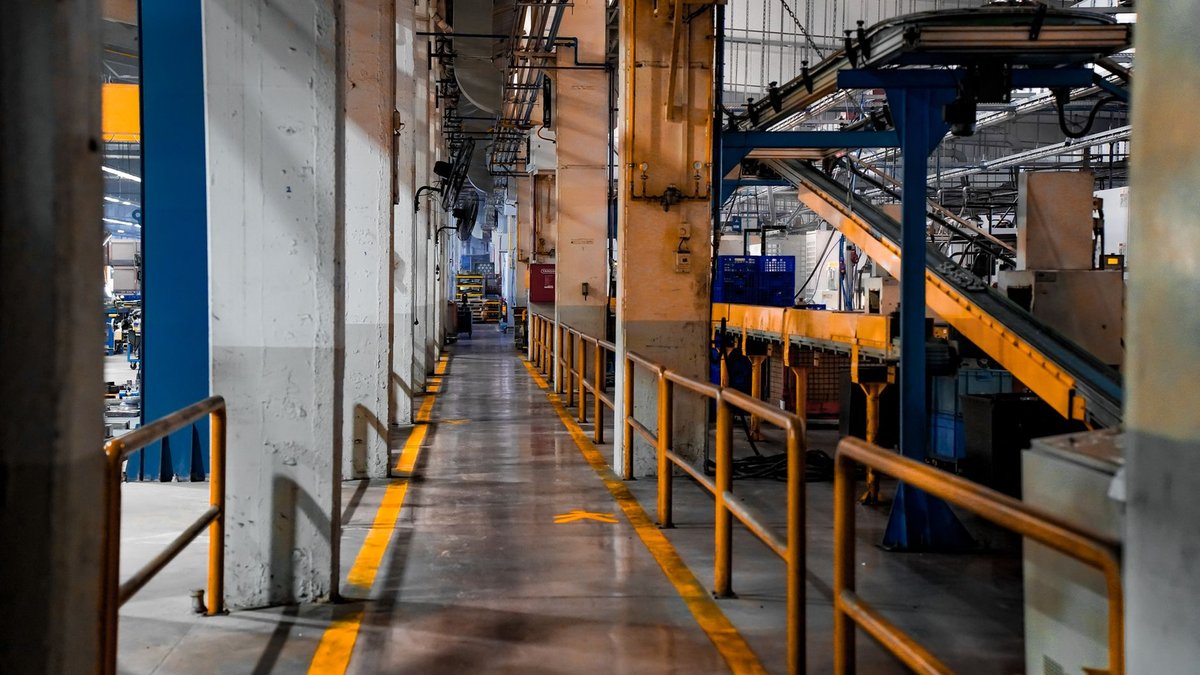
Image Credit: Photo by Yetkin Ağaç on Pexels