- US Super Intelligence Task Force: Two Years On, Redefining Tech Supremacy
- AI & Robotics Transform American Manufacturing by 2026
- US Super Intelligence Task Force: Two Years On, What’s Its Impact?
AI & Robotics: US Manufacturing’s Future Unveiled 2026
American manufacturing is undergoing a profound transformation, driven by the accelerating integration of artificial intelligence and advanced robotics. This evolution is reshaping production lines, supply chains, and the very nature of industrial work across the nation.
As of late 2026, the sector is moving beyond traditional automation, embracing AI-driven predictive maintenance, collaborative robots, and intelligent supply chain management to enhance efficiency and competitiveness. This strategic shift is a direct response to global economic pressures, the demand for higher precision, and the increasing need for customization in product development. The ongoing dialogue, as highlighted by recent industry Q&As, centers on how these technologies are fundamentally altering the operational landscape.
The Strategic Imperative of AI Integration
The role of AI in manufacturing extends far beyond simple task automation. It empowers manufacturers to analyze vast datasets generated from production lines, enabling them to predict equipment failures before they occur, optimize energy consumption, and refine quality control with unprecedented accuracy. This predictive capability minimizes downtime and waste, directly impacting profitability and sustainability. Robotics, once confined to repetitive and dangerous tasks, are now becoming more adaptable and collaborative, working seamlessly alongside human operators. This paradigm shift is not merely about replacing labor but augmenting human capabilities, creating new, higher-skilled roles in oversight, system management, and advanced analytics.
Societal Impact and Ethical Considerations
The rapid integration of AI and robotics inevitably raises critical societal and ethical questions. Workforce retraining is paramount, as traditional roles evolve and new skill sets become essential. The future of employment in manufacturing hinges on proactive educational initiatives and lifelong learning programs. While proponents highlight increased productivity, enhanced safety, and the creation of more engaging work environments, industry observers note the need for robust ethical frameworks to govern AI decision-making in industrial settings. Research institutions like MIT and Stanford are actively exploring human-robot interaction dynamics and developing ethical guidelines for AI deployment to ensure a just transition for the workforce.
Global Market Implications and the Race for Dominance
The United States’ aggressive push for AI and robotics in manufacturing is part of a broader global race for industrial dominance. Nations investing heavily in these advanced technologies aim to secure critical supply chains, reduce reliance on overseas production, and foster domestic innovation. This technological arms race has significant implications for global trade dynamics, intellectual property rights, and the competitive landscape for manufactured goods. Companies that effectively leverage these tools gain a substantial advantage in terms of speed, cost-efficiency, and product quality, influencing international market shares and economic power balances.
Why This Matters in the Long Run
The long-term trajectory points towards highly autonomous, data-driven factories capable of rapid iteration and personalized production at scale. This fundamental shift will alter the economic geography of manufacturing, potentially bringing production closer to consumption centers and fostering a new era of localized, resilient supply chains. The ability to rapidly reconfigure production lines using AI will be a critical differentiator for national economies facing future economic crises, geopolitical shifts, or supply chain disruptions, ensuring greater resilience and adaptability.
The ongoing evolution of American manufacturing with AI and robotics is not merely a technological upgrade but a strategic imperative, reshaping industries and economies for decades to come.
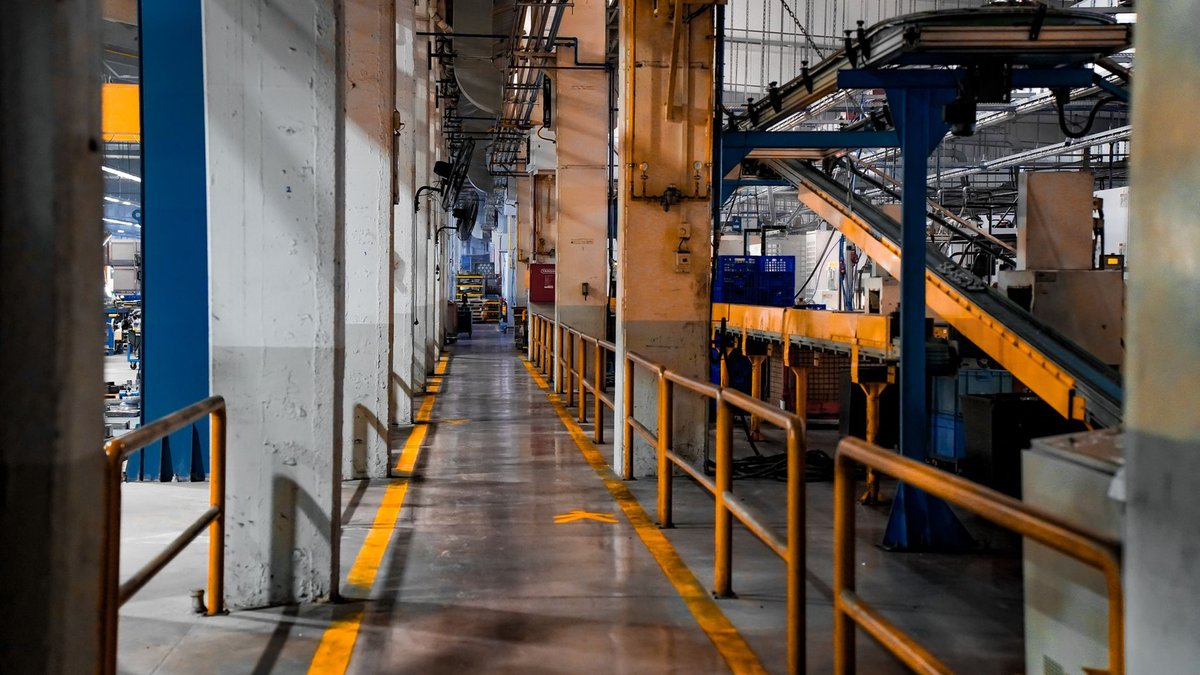
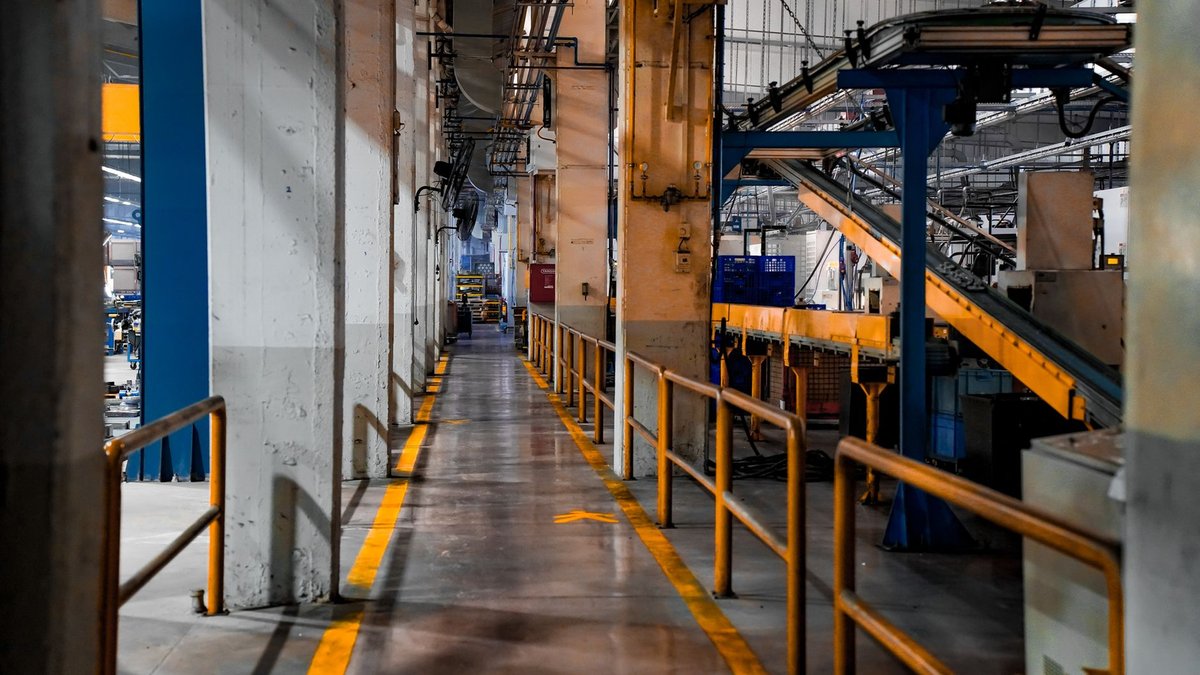
Image Credit: Photo by Yetkin Ağaç on Pexels