

- IEEE Champions Innovators: Driving Future Tech in 2026
- Emory & Georgia Tech Dual-Degree: Bridging Robotics and Medicine for Future Healthcare
- Emory & Georgia Tech Launch Dual-Degree in Medicine and Robotics
Arrowfly’s ‘AI for Engineers’: Reshaping the Engineering Landscape by 2026
In what was a significant development a few years prior, the launch of Arrowfly’s ‘AI for Engineers’ platform marked a pivotal moment in the integration of artificial intelligence into core engineering disciplines. Introduced to help professionals navigate the increasingly complex intersection of their fields and burgeoning AI capabilities, this initiative laid groundwork for the sophisticated AI-driven tools engineers utilize today.
The initial premise behind ‘AI for Engineers’ was straightforward: to demystify AI for a broad engineering audience, providing practical applications and frameworks rather than theoretical concepts. By offering specialized tools and training, Arrowfly aimed to empower engineers across various sectors—from mechanical and civil to software and electrical—to leverage AI for design optimization, predictive maintenance, data analysis, and automation. This strategic focus acknowledged the growing need for domain-specific AI solutions, moving beyond general-purpose models to address the unique challenges of engineering workflows.
Key Analysis: The Evolution of AI in Engineering Practice
By October 2026, the impact of platforms like Arrowfly’s has become evident. Early adopters of ‘AI for Engineers’ reported enhanced efficiency in complex problem-solving and a reduction in development cycles. The proliferation of similar purpose-built AI tools across the industry underscores a broader trend: AI is no longer a peripheral technology for engineers but an integral component of their toolkit. According to industry observers, the initial push by companies like Arrowfly helped bridge the knowledge gap, fostering a generation of engineers proficient in AI-assisted design and analysis. This shift has been particularly pronounced in areas requiring extensive simulation and data interpretation, where AI can identify patterns and predict outcomes far more rapidly than traditional methods.
The development also spurred discussions around the ethical implications of AI in engineering, particularly concerning accountability in autonomous systems and the potential for bias in AI-generated designs. Leading institutions such as Stanford University and MIT have expanded their engineering curricula to include mandatory modules on AI ethics and responsible deployment, a direct reflection of the challenges and opportunities presented by tools like Arrowfly’s. The market for AI-enabled engineering software has diversified significantly, with specialized solutions emerging for niche applications, validating the early vision of tailored AI for engineers.
Why This Matters in the Long Run
The launch of ‘AI for Engineers’ by Arrowfly represents more than just a new product; it signaled a fundamental re-evaluation of how engineering work is conducted. In the long run, this trajectory points towards a future where AI acts as a ubiquitous co-pilot for engineers, augmenting human creativity and problem-solving capabilities. This deep integration is expected to accelerate innovation cycles, enable the creation of more sustainable and resilient designs, and redefine the very skill sets required for future engineering professionals. The ongoing evolution of such platforms will continue to shape global market competitiveness, with nations and industries that effectively harness AI in engineering gaining significant advantages in technological leadership and economic growth.
The journey from initial skepticism to widespread adoption demonstrates the transformative power of targeted AI solutions, proving that the future of engineering is inextricably linked with intelligent automation and advanced computational assistance.
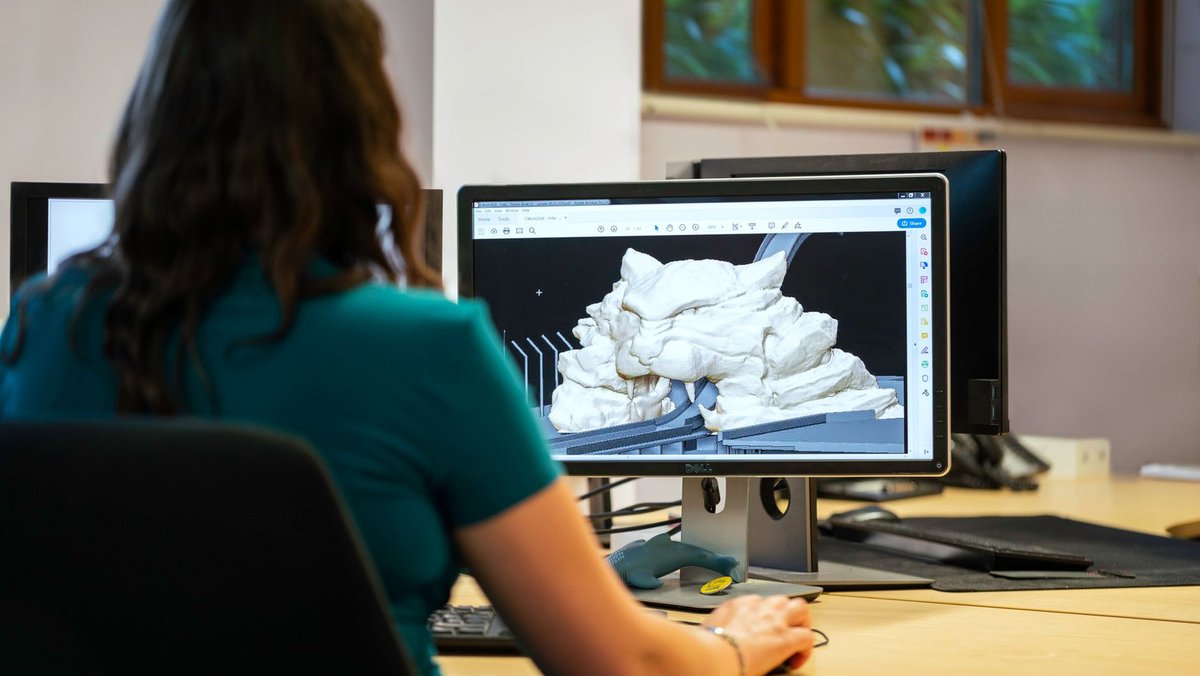
Image Credit: Photo by ThisIsEngineering on Pexels