- Biohybrid Computing: Brain Organoids ‘Reading’ Braille Pave Path to New AI Era
- Brain Organoids Read Braille: A Foundation for Biohybrid Computing in 2026
- Biohybrid Computing: Mini Brain Organoids ‘Read’ Braille, Reshaping Tech’s Future
The 2024 revelation that mini brain organoids could ‘read’ Braille has, by October 2026, solidified its position as a foundational moment in the burgeoning field of biohybrid computing. This breakthrough continues to shape discussions around the future of artificial intelligence and neuro-technology.
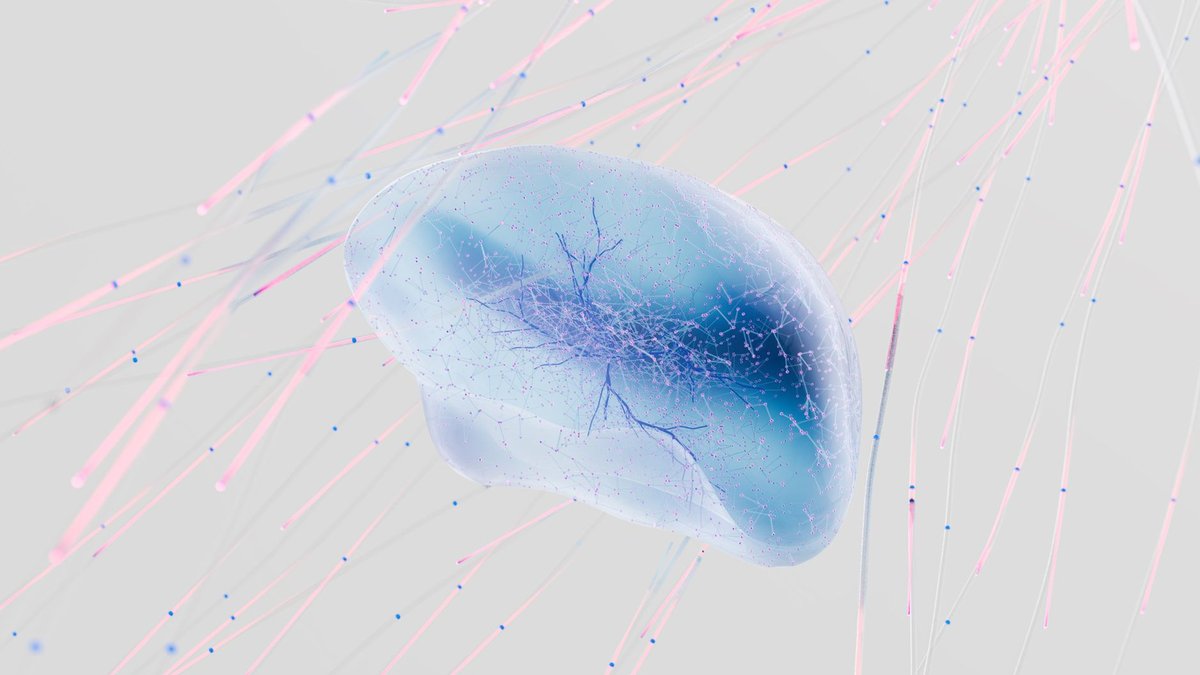
Two years ago, scientific teams detailed a groundbreaking experiment where human brain organoids, cultivated in vitro, demonstrated the ability to process tactile information from Braille-like patterns. This seminal work, published in the esteemed journal Frontiers, marked the first verifiable instance of biological neural networks directly interpreting external sensory data in a controlled environment. The organoids, essentially miniature, self-organizing 3D cultures of brain cells, exhibited a rudimentary form of learning and response to stimuli, opening new avenues for understanding neural plasticity and bio-integration.
Key Analysis: The Enduring Impact of 2024’s Discovery
This 2024 achievement transcended theoretical discussions, providing tangible proof of concept for integrating biological intelligence with artificial systems. The ability of these organoids to learn and respond to patterns, even in a basic form, offered critical insights into the potential for biological components to augment or even outperform traditional silicon-based computing in specific tasks. Industry observers noted that this research particularly highlighted the promise of biological systems for energy-efficient processing and complex, nuanced pattern recognition—areas where conventional AI still faces significant challenges.
The societal implications were immediate and profound. The prospect of ‘wetware’ computing reignited ethical debates concerning the definition of intelligence, consciousness, and the moral boundaries of creating and interacting with biologically derived computational units. While direct market applications are still in their early stages in late 2026, the 2024 breakthrough undeniably ignited significant investment into bio-computing startups and advanced neuro-tech research globally. It underscored a strategic shift towards exploring biological components for advanced computation, potentially leading to ultra-efficient processors and more intuitive human-computer interfaces.
Why This Matters in the Long Run
The 2024 Braille-reading organoid experiment remains a pivotal benchmark in the long-term trajectory of biohybrid computing. It represents a critical step towards a future where biological and artificial intelligence might seamlessly merge, offering unprecedented capabilities in AI development, neuroprosthetics, and potentially even novel forms of biological data storage. This pioneering effort continues to fuel research into how human brain tissue can contribute to the next generation of computational power, pushing the boundaries of what is possible at the intersection of biology and technology. By 2026, the initial questions raised about integration, scalability, and long-term viability are actively being addressed by interdisciplinary teams worldwide, building directly on the foundations laid two years prior.
As we look towards the next decade, the legacy of the 2024 organoid research continues to shape our understanding of intelligent systems, promising a future where the lines between biology and technology become increasingly blurred.
Image Credit: Photo by Google DeepMind on Pexels