- Brain Organoids Read Braille: A Foundation for Biohybrid Computing in 2026
- Biohybrid Computing: Mini Brain Organoids ‘Read’ Braille, Reshaping Tech’s Future
- AI 305 Conference: Reflecting on Early AI Impact Discussions in 2026
Biohybrid Computing: Brain Organoids ‘Reading’ Braille Pave Path to New AI Era
In a significant stride for the nascent field of biohybrid computing, research published in the scientific journal Frontiers in late 2024 revealed that mini brain organoids demonstrated the ability to ‘read’ Braille marks. This breakthrough, which garnered considerable attention upon its initial publication, continues to resonate in October 2026 as a critical foundational step toward integrating biological intelligence with artificial systems.
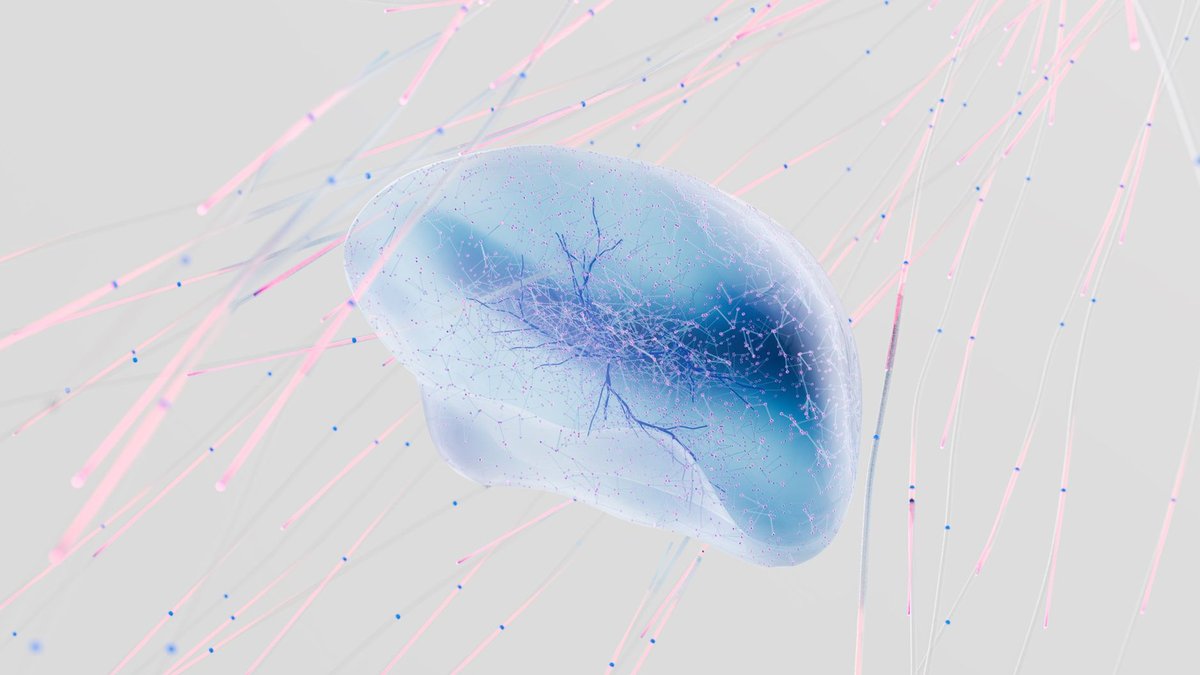
The research, conducted by an international consortium of scientists, involved cultivating human brain organoids – three-dimensional cellular structures mimicking aspects of the brain’s development and function – and connecting them to a sensory input system. The organoids were exposed to tactile stimuli representing Braille characters, and their neural responses were observed and interpreted. The ability of these biological systems to process and differentiate these patterns marks a pivotal moment, showcasing an unprecedented level of interaction between living neural networks and external data.
Key Analysis: The Dawn of Bio-Intelligence Integration
This achievement is not merely a scientific curiosity; it fundamentally alters the trajectory of artificial intelligence and computational design. Traditionally, AI has relied solely on silicon-based hardware and algorithmic software. The integration of biological components, as demonstrated by the Braille-reading organoids, introduces a new paradigm: biohybrid computing. This approach promises to leverage the brain’s inherent efficiency, plasticity, and parallel processing capabilities, which far exceed current conventional computing methods for certain tasks.
Industry observers note that the implications are profound. Unlike silicon chips, biological neural networks can learn and adapt with remarkably low energy consumption. The ability to ‘train’ these organoids to interpret complex sensory data, even in a rudimentary form like Braille, suggests potential applications in areas requiring nuanced pattern recognition, adaptive learning, and even novel forms of memory storage. Analysts suggest that this research, initially reported in Frontiers, has since spurred increased funding and collaborative efforts across global research institutions, aiming to scale these biohybrid systems.
Why This Matters in the Long Run
The long-term impact of this research, first highlighted in late 2024, extends far beyond novel computing architectures. It opens up critical discussions around the ethical considerations of creating increasingly complex bio-computational entities. As these organoids demonstrate more sophisticated functions, questions about consciousness, sentience, and the definition of ‘life’ in a hybrid context become increasingly relevant. Furthermore, the development of biohybrid systems could lead to advancements in understanding neurological disorders by providing more accurate, living models for testing therapies and interventions. The ‘reading’ of Braille is merely the first tangible proof-of-concept, suggesting a future where biological and artificial intelligence might not just coexist, but symbiotically enhance each other, pushing the boundaries of what computing can achieve.
Image Credit: Photo by Google DeepMind on Pexels