- Biohybrid Computing: 2024 Braille Organoid Milestone Revisited in 2026
- Biohybrid Computing: Brain Organoids ‘Reading’ Braille Pave Path to New AI Era
- Brain Organoids Read Braille: A Foundation for Biohybrid Computing in 2026
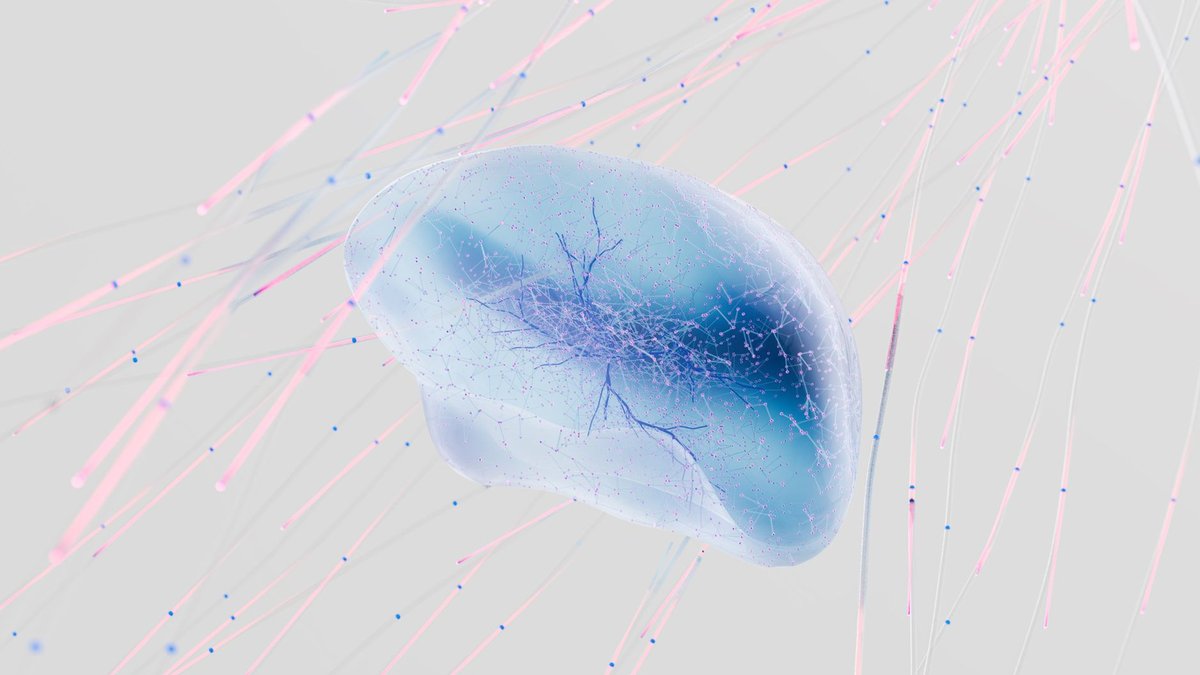
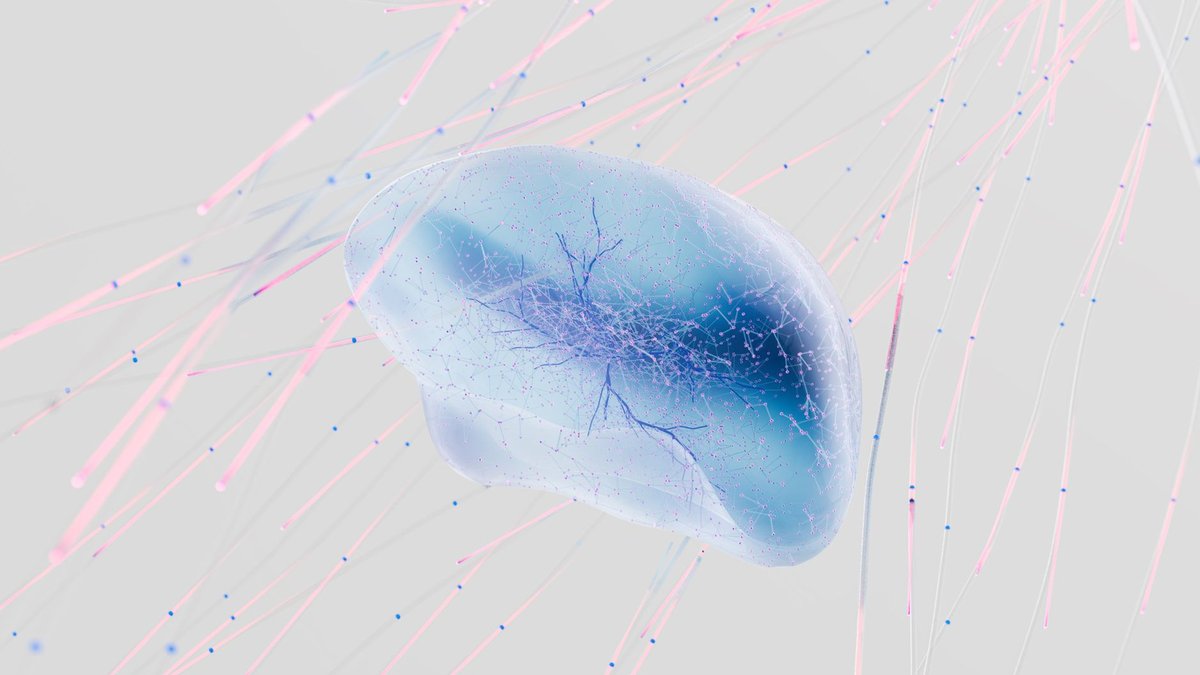
In a pivotal advancement for biohybrid computing, a 2024 study published in the scientific journal Frontiers revealed that lab-grown mini brain organoids successfully demonstrated the ability to interpret tactile information, effectively ‘reading’ Braille marks.
This groundbreaking research, which garnered significant attention upon its release, showcased how neural networks cultivated from human stem cells could process external sensory data. Scientists configured these organoids to receive precisely patterned electrical signals, mirroring the tactile input of Braille. The observation of a measurable and consistent response indicated successful information processing within the biological system. This experiment marked a tangible and crucial step towards bridging biological intelligence with artificial systems, opening new avenues for understanding neural computation and developing novel computing paradigms.
Analysis: Bridging Biology and Computation
The 2024 findings were not merely a scientific curiosity; they provided concrete evidence of the sophisticated computational capabilities inherent in biological neural structures, even when cultured outside a living organism. The choice of Braille as the input mechanism was particularly insightful, as it required the organoids to not just detect a signal, but to interpret sequential patterns, a more complex form of information processing. This ability for mini brain organoids to ‘read’ Braille underscored their potential as highly adaptable and sophisticated information processors, capable of learning and responding to environmental stimuli.
Neuroscientists and biotechnologists interpreted this as a critical validation for the concept of “wetware” – biological components integrated into computing systems. The inherent plasticity and parallel processing power of neural networks, coupled with their significantly lower energy consumption compared to conventional silicon-based processors, position them as a compelling alternative for future high-performance and energy-efficient computing. This demonstration, as reported in Frontiers, fueled ongoing discussions about the potential for bio-integrated AI, where the adaptive learning and complex pattern recognition of biological neurons could offer advantages over purely synthetic algorithms.
Ethical Considerations and Future Trajectories
While the 2024 breakthrough was widely celebrated for its scientific ingenuity, it also intensified ongoing ethical debates surrounding the development and capabilities of brain organoids. The concept of biological entities exhibiting rudimentary “cognitive” functions, even in a highly controlled laboratory setting, raised profound questions about consciousness, sentience, and the moral boundaries of scientific exploration. By October 2026, these discussions have matured into a critical discourse within the scientific community and public sphere, emphasizing the urgent need for robust ethical frameworks to guide future research in biohybrid computing and neuro-engineering, particularly as these systems grow in complexity and processing power. The potential for such systems to evolve beyond current understanding necessitates proactive governance and societal dialogue.
Why This Matters in the Long Run
Looking back from 2026, the 2024 Braille-reading organoid experiment stands as a foundational moment in the accelerated trajectory of biohybrid computing. It validated the core premise that biological neural networks can serve as functional computational units, laying the groundwork for subsequent research into more complex bio-integrated circuits and interfaces. This initial success continues to inspire efforts to develop novel brain-computer interfaces, advanced prosthetics that could directly leverage biological processing, and even new forms of AI that harness the parallel processing and adaptive learning capabilities of biological neurons, moving humanity closer to a future where biological and artificial intelligence are deeply intertwined and mutually enhancing. The promise of unparalleled computational efficiency and nuanced intelligence remains a powerful driver.
The journey towards truly integrated biohybrid computing is long and complex, but the 2024 demonstration by mini brain organoids remains a critical waypoint, underscoring the transformative potential at the intersection of biology and information technology.
Image Credit: Photo by Google DeepMind on Pexels