- Biohybrid Computing: Mini Brain Organoids ‘Read’ Braille, Reshaping Tech’s Future
- AI 305 Conference: Reflecting on Early AI Impact Discussions in 2026
- Biohybrid Breakthrough: Organoids ‘Read’ Braille, Paving Future Computing by 2026
Brain Organoids Read Braille: A Foundation for Biohybrid Computing in 2026
In a pivotal development that continues to resonate within the neuro-engineering community as of late 2026, miniature brain organoids demonstrated the ability to ‘read’ Braille. This breakthrough, initially reported by Frontiers, marked a significant stride towards the realization of biohybrid computing, merging biological intelligence with silicon-based systems.
Context: Bridging Biology and Computing
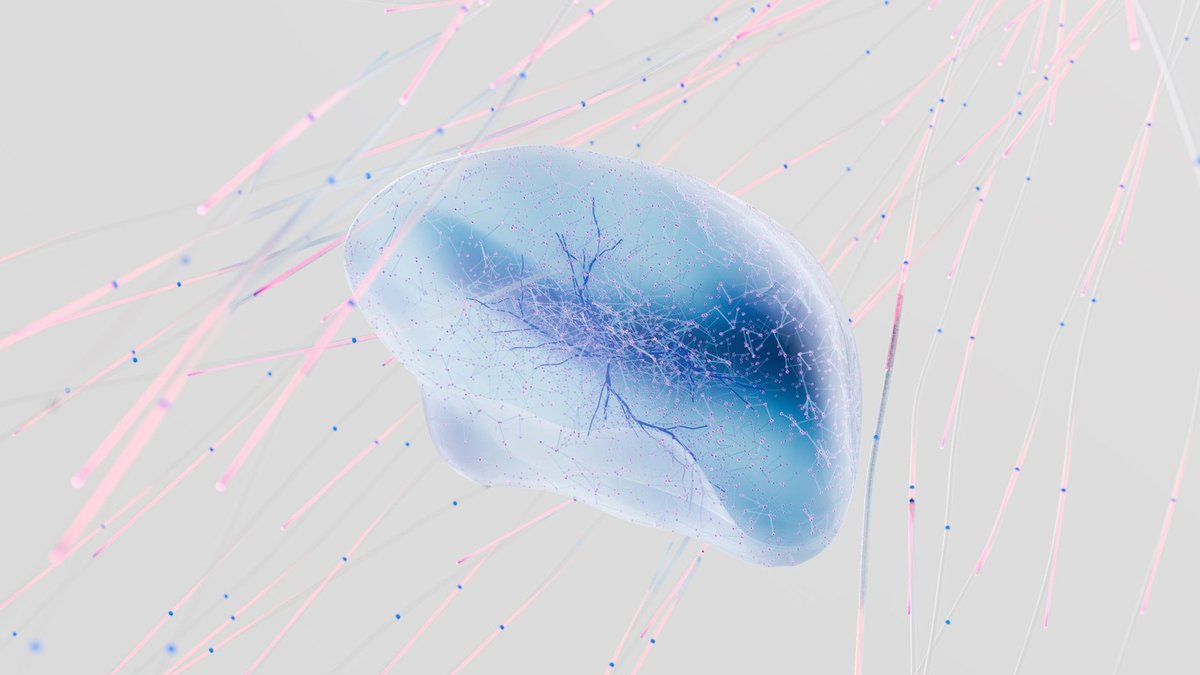
The research involved cultivating human brain organoids – 3D cellular models mimicking aspects of the human brain’s structure and function – and connecting them to sensors designed to detect tactile patterns. By exposing these organoids to Braille-like stimuli and observing their neural responses, scientists established a rudimentary form of communication between biological neural networks and digital input. This experiment was not about the organoids comprehending language in a human sense, but rather about their capacity to process and react to complex sensory information, laying groundwork for more sophisticated bio-computational interfaces.
Key Analysis: The ‘Why’ Behind Biohybrid Computing’s Promise
This achievement, while seemingly niche, underscored a fundamental principle: the unique processing power and energy efficiency of biological neural networks could potentially overcome limitations inherent in traditional silicon computing. As of 2026, the global push for more powerful and sustainable computing solutions, particularly in the realm of advanced AI and complex data analysis, makes such biohybrid approaches increasingly attractive. The study, published in Frontiers, highlighted that these organoids could adapt and learn from new patterns, a capability crucial for developing adaptive, real-time processing units. Industry observers note that the inherent plasticity of biological systems offers a pathway to computing architectures that are fundamentally different from current Von Neumann models, potentially enabling breakthroughs in areas like pattern recognition, decision-making, and even novel forms of memory storage.
The ethical implications of such research are also a continuous topic of discussion. While the organoids are far from conscious, their increasing complexity prompts questions about the future boundaries between biological and artificial intelligence. Discussions within the scientific community, including those at institutions like MIT and Stanford, frequently revolve around establishing robust ethical frameworks to guide the development of biohybrid systems, ensuring responsible innovation as these technologies mature.
Why This Matters in the Long Run
The ability of brain organoids to process external stimuli represents a foundational step for future biohybrid computing. By 2026, the concept has moved from theoretical discussions to tangible, albeit early-stage, experimental results. This research paves the way for a new generation of computing that could be far more energy-efficient and capable of complex, non-linear problem-solving than current digital systems. Imagine AI models not just running on conventional processors, but augmented by biological components that learn and adapt with unparalleled efficiency. This could revolutionize fields from medicine and drug discovery to advanced robotics and neural interfaces, leading to more intuitive and powerful human-machine interactions. The long-term trajectory points towards a future where biological and artificial intelligence don’t just coexist, but actively collaborate within a singular computational framework.
The journey from ‘reading’ Braille to fully integrated biohybrid processors is extensive, yet this initial demonstration remains a beacon for a future where biological intelligence could redefine the limits of computation.
Image Credit: Photo by Google DeepMind on Pexels