- AI, Drones, Robotics: Redefining Possibilities in 2026
- Physical AI Wave: Capitalizing on Embodied Intelligence in 2026
- Physical AI’s Ascent: Capitalizing on the Robotic Revolution in 2026
Capitalizing on the Physical AI Wave: A 2026 Retrospective
In the dynamic landscape of technological evolution, the convergence of artificial intelligence with tangible, real-world applications—dubbed the “Physical AI Wave”—has profoundly reshaped industrial paradigms and investment strategies. As early as 2024-2025, financial analysts began highlighting the emergent opportunities within this sector, with outlets like Yahoo Finance advising investors on exchange-traded funds (ETFs) designed to capture its growth.
The Emergence of Physical AI
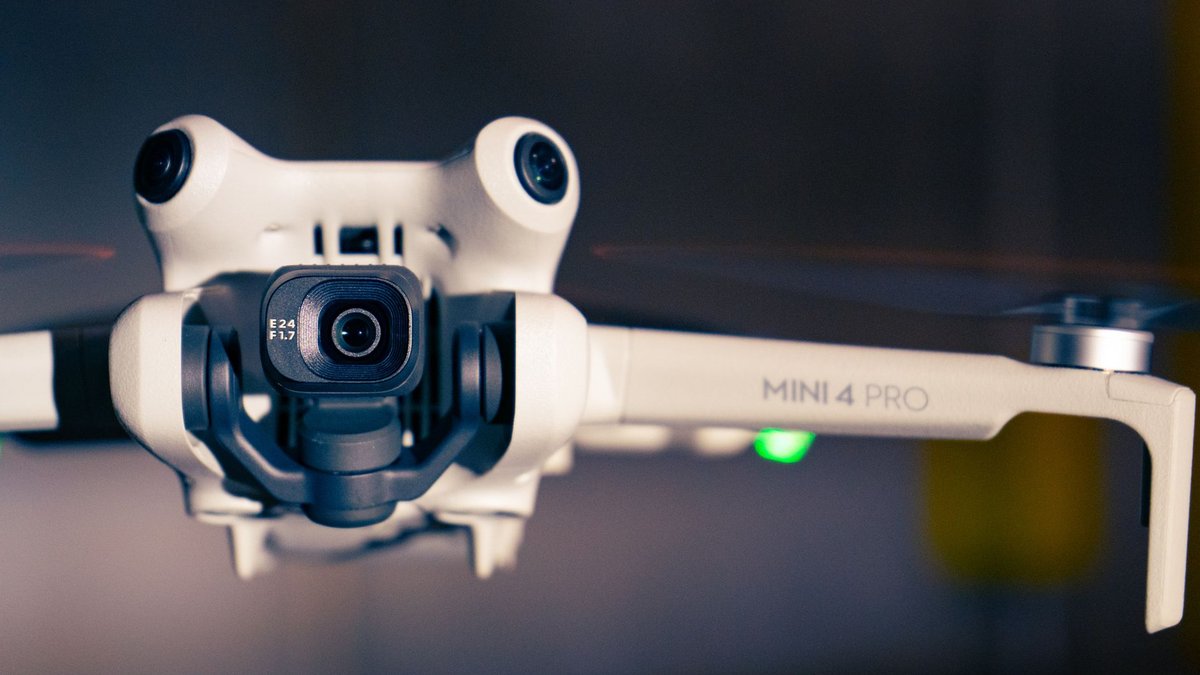
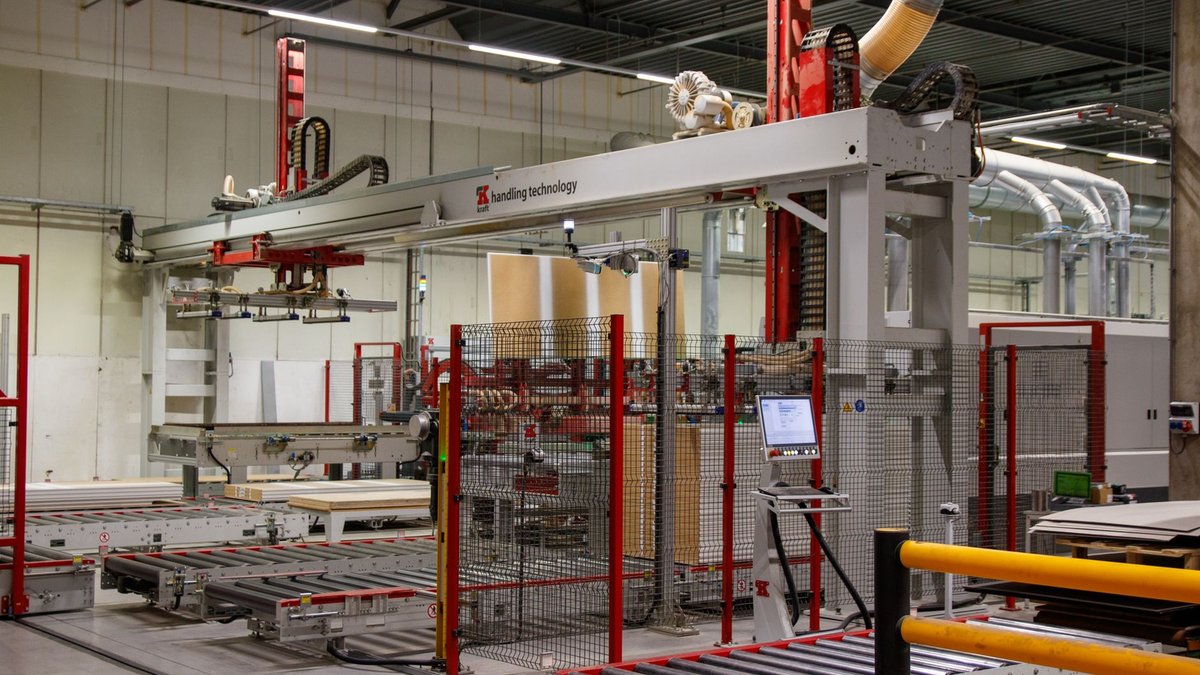
The “Physical AI Wave” refers to the pervasive integration of artificial intelligence into physical systems, transforming everything from manufacturing and logistics to healthcare and defense. This encompasses advanced robotics, autonomous vehicles, smart infrastructure, and sophisticated drone technologies that operate in the real world, rather than solely in digital environments. Unlike purely software-based AI, Physical AI demands complex hardware, advanced sensor arrays, and robust real-time processing capabilities, creating a distinct and capital-intensive market segment.
The initial focus on ETFs in 2024-2025 underscored a burgeoning recognition of this sector’s potential. These funds aimed to aggregate investments in companies developing the foundational components—such as specialized semiconductors, advanced actuators, and sophisticated control systems—as well as those deploying integrated Physical AI solutions across various industries. The thesis was clear: as AI moved beyond data centers and into factories, hospitals, and transportation networks, the demand for its physical embodiments would surge.
Key Analysis: The Drivers Behind Physical AI’s Continued Ascent
By October 2026, the trajectory of Physical AI has largely affirmed these earlier predictions. The sector’s growth is propelled by several critical factors. Firstly, advancements in edge computing have enabled AI models to process data locally, reducing latency and enhancing autonomy for devices operating in remote or critical environments. Secondly, breakthroughs in material science have led to lighter, more durable, and energy-efficient robotic components, expanding the practical applications of physical AI. Finally, the persistent global push for automation, driven by labor shortages and the quest for increased efficiency and precision, continues to accelerate adoption across industries.
Leading research institutions, including MIT’s Computer Science and Artificial Intelligence Laboratory (CSAIL) and Stanford’s AI Lab, have been at the forefront of developing general-purpose robots capable of complex manipulation and adaptation to unstructured environments. These developments are not just academic; they directly translate into tangible products and services, from highly flexible manufacturing robots on assembly lines to autonomous delivery systems navigating urban landscapes. The market implications are significant, fostering competition and innovation among both established industrial giants and nimble startups.
Why This Matters in the Long Run
The long-term impact of the Physical AI Wave extends far beyond immediate investment returns. It signifies a fundamental shift in how societies produce goods, deliver services, and manage resources. Enhanced automation promises to boost productivity and resilience in supply chains, mitigating future disruptions. Ethical considerations surrounding job displacement and the safe integration of autonomous systems remain paramount, prompting ongoing policy discussions and research into human-robot collaboration. As Physical AI systems become more integrated into critical infrastructure, their security and reliability will also become central to national and economic stability, shaping global market dynamics and technological leadership for decades to come.
The initial call to action for investors to capitalize on this wave now serves as a historical marker for a transformation that is still unfolding, promising continued innovation and profound societal adjustments.
Image Credit: Photo by Freek Wolsink on Pexels