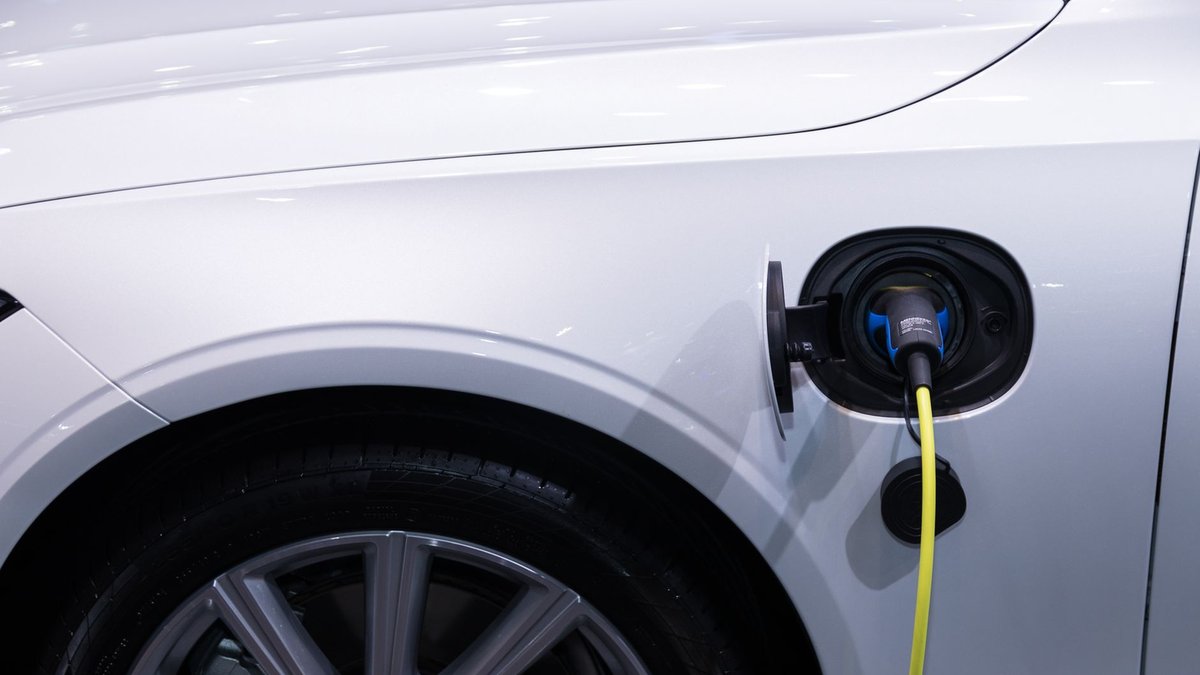
In a significant strategic move that continues to resonate across the automotive and energy sectors, Chinese automaker Chery announced its intention to deploy 20,000 Vehicle-to-Grid (V2G) charging stations globally by 2029. This ambitious commitment, initially reported in a period preceding October 2026, positioned Chery as a forward-thinking player not just in electric vehicle (EV) manufacturing, but also in the crucial infrastructure supporting grid decarbonization.
The announcement underscored a growing understanding among major automakers that the future of mobility is inextricably linked with the future of energy. By pledging such a substantial global V2G network, Chery signaled a proactive approach to integrating EVs into national grids, transforming them from mere energy consumers into active participants in energy management. This initiative aimed to leverage the inherent energy storage capacity of EV batteries to support grid stability, a critical function as renewable energy sources like solar and wind become more prevalent.
Key Analysis: V2G’s Evolving Role in 2026
As of October 2026, the concept of Vehicle-to-Grid technology has matured significantly, moving beyond pilot projects to larger-scale implementations. V2G allows electric vehicles to not only draw power from the grid but also feed excess energy back into it, or discharge power to a home or business (V2H/V2B). This bidirectional flow of energy is vital for balancing intermittent renewable energy generation and providing ancillary services to the grid, such as frequency regulation and peak shaving.
Analysts suggest that Chery’s 2029 target, while highly ambitious, highlighted the strategic imperative for automakers to secure their position in the evolving energy ecosystem. The deployment of 20,000 V2G stations globally would require significant investment in hardware, software, and regulatory navigation across diverse markets. Industry observers note that the success of such initiatives hinges on establishing robust communication protocols, ensuring cybersecurity, and developing clear compensation models for EV owners who contribute to grid stability. The global push for smart grid technologies and the increasing penetration of EVs make such infrastructure pledges more relevant than ever, as nations grapple with energy security and climate goals.
Why This Matters in the Long Run
Chery’s commitment to V2G infrastructure, made several years prior, remains a pivotal indicator of the long-term trajectory of the automotive industry. It signifies a paradigm shift where EVs are no longer just transportation assets but become distributed energy resources. This integration has profound implications for urban planning, energy policy, and consumer behavior. Large-scale V2G deployment could dramatically reduce the need for costly grid upgrades, enhance grid resilience during extreme weather events, and accelerate the transition to a fully renewable energy system. The automotive sector, once seen as a major contributor to carbon emissions, is now positioned to play a transformative role in the global energy transition, with V2G technology at its core. The success and expansion of such networks by 2029 will be a critical benchmark for the entire industry.
The journey towards 20,000 V2G stations by 2029 represents a bold vision for a future where mobility and energy are seamlessly interconnected, offering a glimpse into a more sustainable and resilient energy landscape.
Image Credit: Photo by Rathaphon Nanthapreecha on Pexels