

The Pivot News – Tech & Science Analysis
In a significant move to address the digital economy’s growing energy needs, the United States Department of Energy (DOE) has announced a new strategy focused on powering data centers with clean energy. According to the announcement on the department’s official website, this initiative targets the surging demand for electricity driven by the rapid expansion of artificial intelligence (AI) and cloud computing.
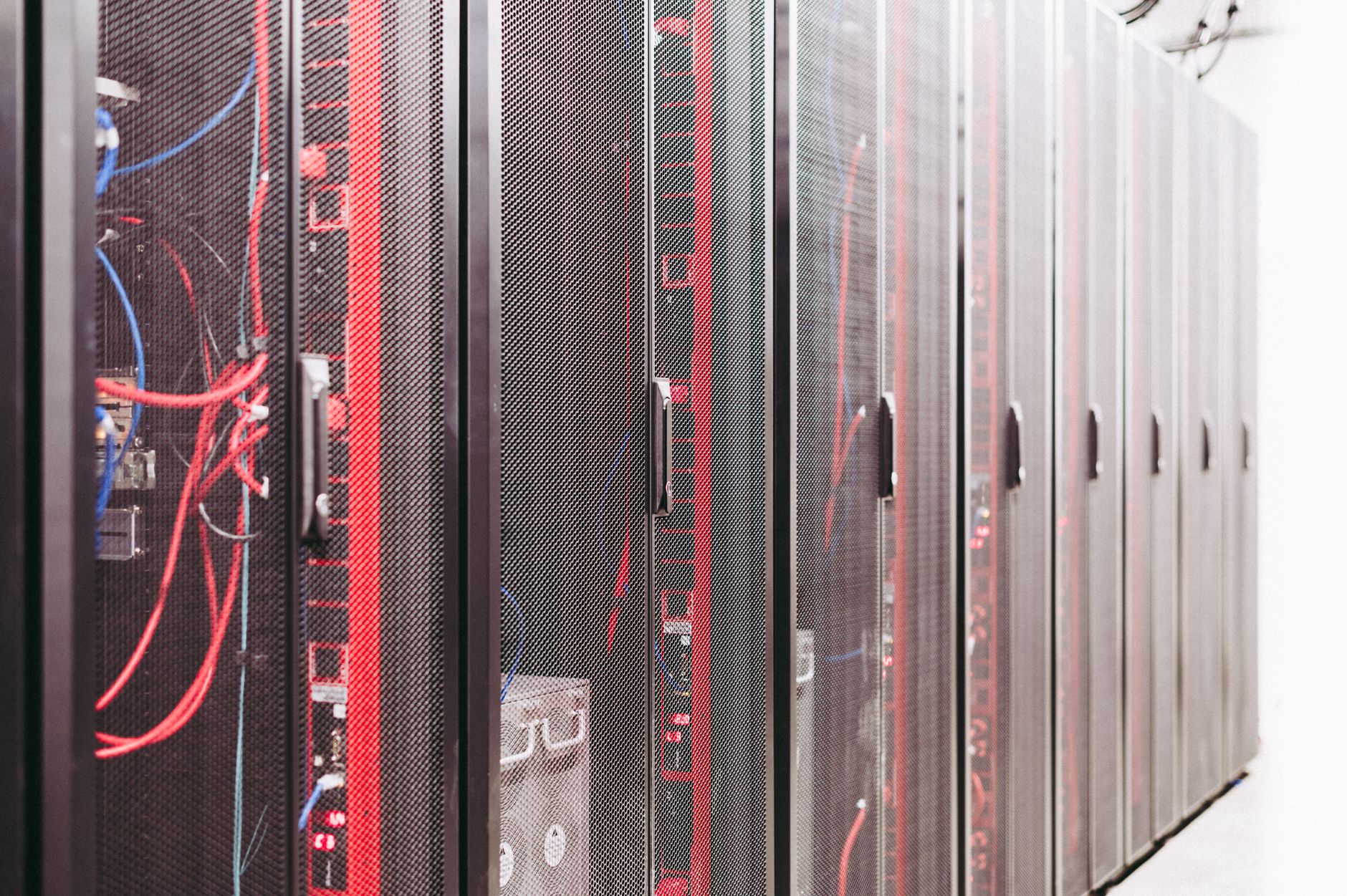
Data centers, the physical backbone of the internet, are becoming one of the fastest-growing users of electricity. The immense power needed to train advanced AI models, store vast amounts of data, and keep online services running 24/7 puts a major strain on the nation’s energy grid. While exact figures for future consumption are not yet confirmed, experts agree that the energy needs of the tech sector are on a sharp upward trend. The DOE’s plan marks a critical point where national energy policy is directly supporting the country’s technology goals, recognizing that a sustainable energy supply is essential for the future of AI.
The Challenge: Powering the AI Boom
The core of the issue is a modern paradox: AI promises to make many industries more efficient, but the technology itself requires a tremendous amount of energy. Without a clear plan for sustainable power, the carbon footprint of the digital world could grow to rival that of other major industries. The DOE’s involvement signals that the government is considering a wide range of solutions to prevent this.
The strategy will likely include several key components. Federal incentives could be offered to encourage companies to build new data centers near renewable energy sources like solar farms or wind turbines. The government may also provide grants for research into more energy-efficient computer hardware and advanced cooling systems, which are a major source of a data center’s power use. This approach aims to both increase the supply of clean energy and reduce the overall demand from the technology itself.
Market Impact and Future Technologies
This federal focus is expected to shake up the energy and tech markets. Companies that specialize in grid-scale battery storage, geothermal energy, and advanced solar and wind power are likely to see a spike in demand. The DOE’s announcement also brings attention to next-generation nuclear power, particularly small modular reactors (SMRs). These smaller reactors could provide a steady, carbon-free power source dedicated to large data center campuses, ensuring they have reliable energy around the clock.
For tech giants like Amazon, Google, and Microsoft, this initiative aligns with their own corporate goals. These companies already invest billions in buying renewable energy to power their massive cloud operations. The DOE’s plan provides a supportive federal framework that can help accelerate these private-sector efforts and overcome regulatory hurdles.
Why This Matters for a Sustainable Future
The long-term impact of this strategy goes beyond just making the cloud greener. It represents a fundamental shift in how we design and build our critical digital infrastructure. By linking energy production directly to data processing, the nation can ensure that technological growth doesn’t come at an environmental cost. This could lead to the development of self-sufficient data centers that generate their own clean power, making them more resilient and sustainable for the long run.
Image Credit: Photo by Brett Sayles on Pexels