
- Robotics Reshapes Medicine: Emory & Georgia Tech’s Dual-Degree Pathway Forges Future Health Innovators
- Emory & Georgia Tech Launch Dual-Degree in Medicine and Robotics
- Emory & Georgia Tech Dual-Degree: Bridging Robotics and Medicine for Future Healthcare
Critical Bridge: Emory-GT Dual Degree Merges Medicine, Robotics
In a strategic move poised to redefine the future of healthcare, Emory University and the Georgia Institute of Technology have officially launched a groundbreaking dual-degree pathway that seamlessly integrates medicine and robotics. This innovative program, announced today, October 02, 2026, aims to cultivate a new generation of professionals equipped to navigate the complex intersection of advanced medical practice and cutting-edge robotic technology, addressing a critical demand within the global healthcare landscape.
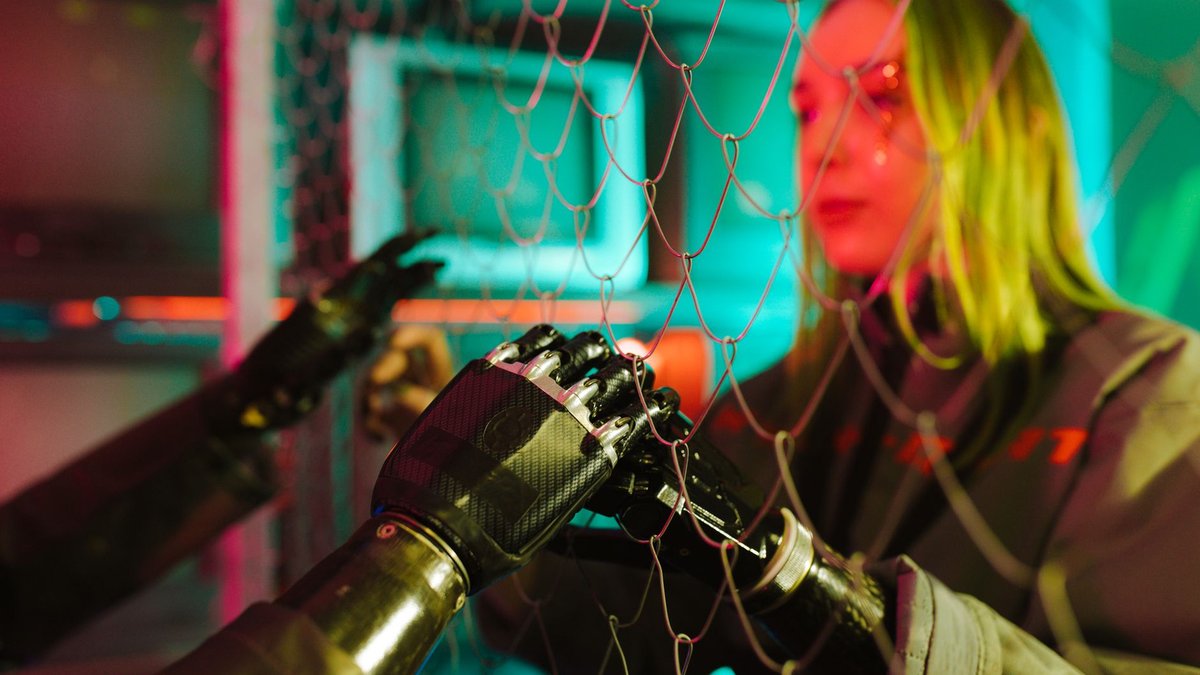
The collaboration leverages Emory’s esteemed medical expertise and Georgia Tech’s world-renowned leadership in robotics and engineering. Students enrolled in this unique pathway will pursue a rigorous curriculum designed to provide a deep understanding of both human physiology and sophisticated robotic systems, preparing them for roles in areas such as robotic-assisted surgery, advanced prosthetics, diagnostic automation, and intelligent rehabilitation devices. This interdisciplinary approach is a direct response to the increasing sophistication of medical technology, where the efficacy of treatment is often intertwined with precision engineering and artificial intelligence.
Key Analysis: Forging the Future of Medical Innovation
Industry observers note that this dual-degree pathway represents a significant foresight in specialized education. As healthcare systems globally grapple with the need for greater efficiency, accuracy, and personalized treatment, the demand for professionals who can not only use but also design and optimize medical robotics is escalating. According to analysts, such programs are vital for accelerating the development and adoption of next-generation medical devices, driving innovation from concept to clinical application. The synergy between a leading medical institution and a top-tier engineering school positions graduates to become pivotal figures in both clinical settings and R&D labs, capable of translating complex medical challenges into engineering solutions and vice versa.
The societal impact of such a program is profound. By fostering expertise in medical robotics, the pathway is expected to contribute to safer surgical procedures, more effective patient rehabilitation, and the development of novel diagnostic tools that can detect diseases earlier and more accurately. This educational model could serve as a blueprint for other institutions looking to bridge traditional academic silos, acknowledging that the most impactful solutions to global challenges often emerge from interdisciplinary collaboration. The global market for medical robotics is projected to continue its robust expansion, making this educational investment strategically sound for both institutions and future students.
Why This Matters in the Long Run
The establishment of this dual-degree pathway is more than just an academic offering; it is a long-term investment in the evolution of healthcare itself. As AI and automation continue their inexorable march into every sector, their integration into medicine requires a highly specialized workforce. This program ensures a steady pipeline of professionals who possess not only the technical prowess to engineer robotic systems but also the ethical understanding and clinical judgment necessary to deploy them responsibly and effectively in sensitive medical environments. It underscores a broader trend in higher education towards highly specialized, interdisciplinary programs that directly address the complex technological and societal demands of the 21st century, positioning Emory and Georgia Tech at the forefront of this educational paradigm shift.
Image Credit: Photo by Diego Martinez on Pexels