- AI Medical Robot: NASA & Google’s Deep Space Healthcare Vision
- AI Medical Robots: Deep Space Healthcare in 2026
- UT Dell Medicine: Two Years On, An AI-Native Hospital’s Impact in 2026
Deep Space Med-Bot: NASA-Google AI Testing’s 2026 Impact
Years after initial reports, the collaborative effort between NASA and Google to develop an AI-powered medical robot for deep space missions continues to shape the future of interstellar travel. What began as a series of critical tests, initially reported by outlets like Nextgov/FCW, has evolved into a foundational pillar for humanity’s long-duration missions beyond Earth’s immediate vicinity.
Context: Pioneering Autonomous Medical Care
The concept, which gained significant traction around 2024-2025, involved integrating advanced artificial intelligence with robotic platforms to provide autonomous medical diagnosis and treatment capabilities. This initiative addressed a critical vulnerability in deep space exploration: the prohibitive communication delays that render real-time Earth-based medical consultation impossible. With missions to Mars and beyond requiring years of travel, an onboard, intelligent medical system becomes not just beneficial, but essential for crew survival and mission success. The initial tests focused on the robot’s ability to interpret complex medical data, perform intricate procedures, and make critical decisions under simulated deep-space conditions, marking a significant leap from traditional telemedicine.
Key Analysis: The Imperative of Autonomy and Ethical Considerations
The development underscores a broader trend towards enhanced autonomy in space systems. For missions extending thousands or millions of kilometers from Earth, light-speed communication lags can stretch into minutes or hours, making immediate human intervention from mission control unfeasible during a medical emergency. This AI medical robot, often referred to by analysts as a ‘Med-Bot,’ is designed to bridge that gap, offering on-the-spot, high-precision care. Its intelligence is crucial not only for routine health monitoring but also for handling severe trauma, surgical interventions, and unexpected medical conditions that could arise in the unique environment of space.
However, the deployment of such advanced AI also ushers in complex ethical considerations. The prospect of an AI making life-or-death medical decisions without direct human oversight on Earth raises questions about accountability, algorithmic bias, and the psychological impact on astronauts. Research institutions like MIT and Stanford, in collaboration with NASA’s Jet Propulsion Laboratory, have been heavily involved in developing robust ethical frameworks and fail-safe protocols. These frameworks aim to balance the necessity of autonomy with the paramount importance of human well-being, ensuring that the AI’s decision-making processes are transparent, auditable, and aligned with human medical ethics, even as it operates light-years away. The global market implications for autonomous healthcare, both on Earth and in space, are substantial, potentially revolutionizing remote medical services and emergency response.
Why This Matters in the Long Run
The NASA-Google AI medical robot project is more than just a technological marvel; it represents a fundamental shift in how humanity approaches long-duration spaceflight. By providing a truly autonomous medical solution, it removes one of the most significant limiting factors for interstellar exploration – the immediate need for human medical experts. This innovation paves the way for extended missions to the outer solar system, permanent lunar and Martian bases, and eventually, human voyages to exoplanets. It signifies a future where AI acts not merely as a tool, but as a critical, intelligent partner in humanity’s most ambitious endeavors, pushing the boundaries of what is medically possible in the most extreme environments.
The ongoing refinement of these AI systems continues to be a priority, with lessons learned from initial testing informing successive generations of robotic healthcare providers, ensuring that as humanity ventures further, its health and safety remain paramount.
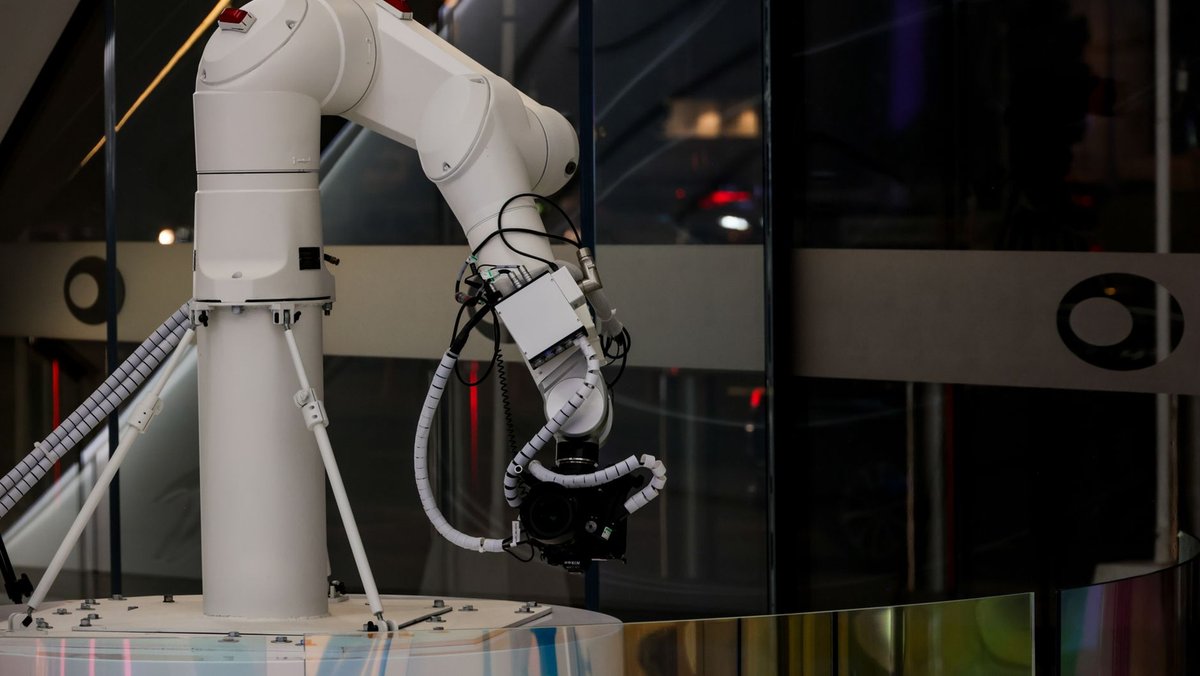
Image Credit: Photo by Magda Ehlers on Pexels