

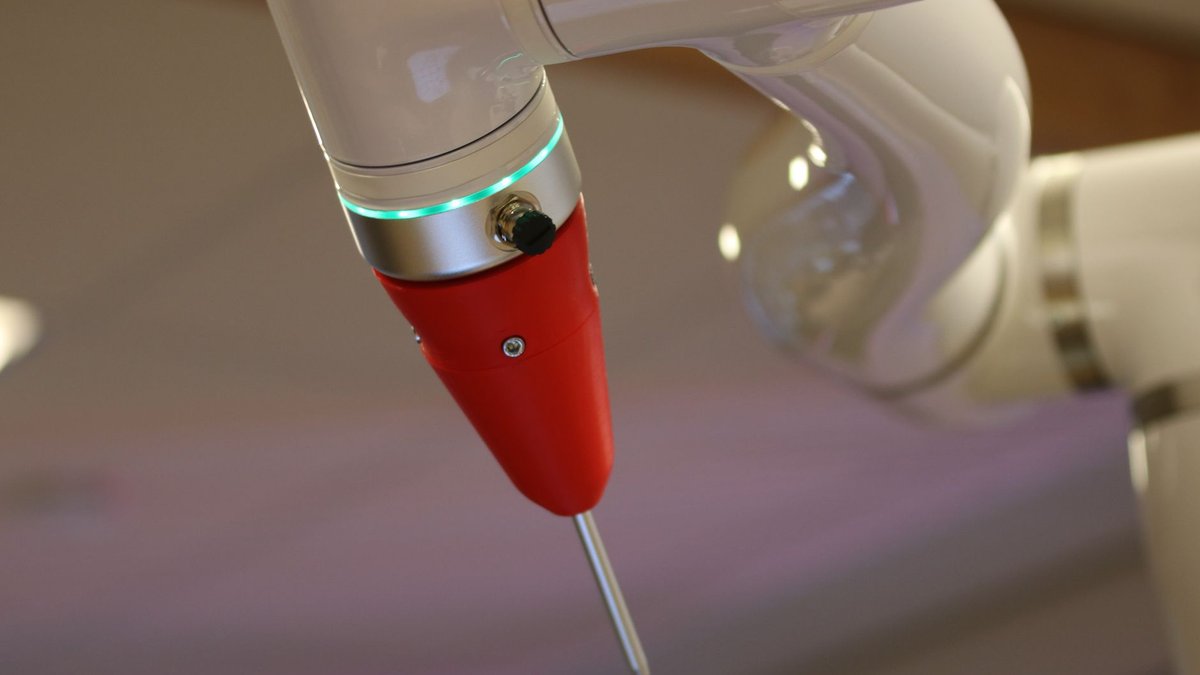
- Emory & Georgia Tech Launch Dual-Degree in Medicine and Robotics
- Emory, Georgia Tech Dual-Degree Program Bridges Medicine & Robotics
- Emory & Georgia Tech Launch Dual-Degree in Med-Robotics | The Pivot News
In a strategic move to address the escalating demand for interdisciplinary expertise, Emory University and Georgia Institute of Technology have launched a pioneering dual-degree pathway, forging a critical link between the fields of medicine and robotics. This initiative, reported by Newswise, represents a forward-thinking response to the accelerating convergence of healthcare and advanced technological systems, poised to shape the future of medical practice and innovation.
The new pathway is designed to cultivate a cadre of professionals uniquely equipped to navigate the complexities at the intersection of human biology and sophisticated automation. By providing a comprehensive curriculum that spans both medical sciences and robotics engineering, the program aims to produce graduates capable of developing, implementing, and optimizing robotic solutions within clinical settings, research laboratories, and public health initiatives. This collaboration leverages the distinct strengths of Emory’s renowned medical programs and Georgia Tech’s world-class robotics and engineering expertise.
Key Analysis: Forging the Future of Health Tech
The establishment of this dual-degree pathway is more than just an academic offering; it is a direct acknowledgment of a paradigm shift in healthcare. As robotic systems become increasingly integral to surgical procedures, patient care, diagnostics, and rehabilitation, the need for practitioners who possess both clinical acumen and engineering prowess has become paramount. Industry observers note that traditional silos between medical training and technical education often result in a workforce that struggles to fully leverage cutting-edge robotic advancements.
This program directly addresses this gap, fostering a generation of innovators who can not only operate advanced medical robots but also contribute to their design, ethical deployment, and integration into complex healthcare ecosystems. Such interdisciplinary fluency is crucial for accelerating breakthroughs in areas like minimally invasive surgery, intelligent prosthetics, autonomous drug delivery systems, and robotic-assisted diagnostics. The initiative positions both institutions at the forefront of preparing the workforce for a future where technology and human health are inextricably linked.
Why This Matters in the Long Run
The long-term impact of programs like the Emory-Georgia Tech dual degree extends far beyond immediate workforce development. This convergence of medicine and robotics signals a fundamental transformation in global healthcare delivery and research. As the world grapples with aging populations, chronic disease management, and the persistent need for more efficient and precise medical interventions, robotic solutions offer scalable and sophisticated answers. Graduates of such programs will be instrumental in driving innovation in personalized medicine, remote surgery, and advanced rehabilitation techniques, potentially democratizing access to high-quality care globally.
Furthermore, the ethical considerations surrounding AI and robotics in healthcare — from data privacy to autonomous decision-making in critical procedures — demand professionals who understand both the technical capabilities and the profound human implications. This pathway ensures that future leaders are not only technically proficient but also ethically grounded, fostering responsible innovation in a sector where the stakes are inherently high. The success of this model could inspire similar interdisciplinary programs worldwide, setting a new standard for medical and technological education.
As the healthcare landscape continues its rapid evolution, initiatives like the Emory-Georgia Tech dual-degree pathway are not merely beneficial but essential. They represent a proactive investment in the human capital required to harness the full potential of robotics for a healthier, more technologically advanced future.
Image Credit: Photo by Freek Wolsink on Pexels