
- Emory & Georgia Tech Unite: Robotics MD/MS Program’s 2026 Impact
- Si-Ware Systems’ Austin Hub: A 2026 Retrospective on Physical AI Innovation
- Robotics Investment Outlook 2026: Enduring Sector Growth
Robotics MD/MS Program: Training Physician-Innovators for 2026 and Beyond
In a pivotal educational initiative that has reshaped the landscape of medical technology, Emory School of Medicine and Georgia Tech several years ago launched a groundbreaking MD/MS dual-degree program in robotics. This collaborative venture, established prior to 2026, aimed to cultivate a new generation of physician-innovators equipped with both deep medical knowledge and advanced robotic engineering expertise, directly addressing the escalating integration of automation into clinical practice.
The Genesis of Interdisciplinary Healthcare
The program’s inception marked a strategic response to the evolving demands of modern medicine. As robotic systems moved beyond the operating room into diagnostics, rehabilitation, and even patient care, a critical gap emerged: medical professionals who could not only utilize these advanced tools but also contribute to their development and ethical deployment. The Emory-Georgia Tech partnership, leveraging Emory’s distinguished medical curriculum and Georgia Tech’s world-renowned robotics engineering prowess, created a unique pathway for students to earn both a Doctor of Medicine (MD) and a Master of Science (MS) in Robotics simultaneously.
This interdisciplinary approach ensures graduates possess a comprehensive understanding of human physiology and pathology, alongside the technical skills in design, control, and application of robotic systems. Industry observers note that such programs are vital for fostering innovation, enabling physicians to directly inform the creation of more intuitive, effective, and patient-centric robotic solutions. The rigorous curriculum is designed to bridge the traditional divide between clinical science and engineering, preparing individuals to lead in areas ranging from robotic surgery and precision medicine to smart prosthetics and AI-driven diagnostic tools.
Key Analysis: Bridging the Human-Machine Interface
The establishment of this MD/MS program was a prescient move, anticipating the complex challenges and opportunities presented by advanced robotics in healthcare. Analysts suggest that the program’s graduates, now entering the workforce in 2026, are uniquely positioned to accelerate the adoption of robotic technologies while simultaneously ensuring patient safety and ethical considerations are paramount. Their dual expertise allows them to identify unmet clinical needs that robotics can address, translate complex medical requirements into engineering specifications, and evaluate the efficacy of new robotic interventions with a holistic perspective.
Furthermore, this model of integrated education is beginning to influence other leading institutions globally. Research institutions like MIT and Stanford have explored similar interdisciplinary tracks, recognizing the imperative to train professionals who can navigate the increasingly blurred lines between traditional scientific disciplines. The Emory-Georgia Tech collaboration serves as a blueprint for how academic powerhouses can synergize to tackle future-forward challenges in critical sectors like healthcare, ultimately driving global market implications for medical robotics and healthcare innovation.
Why This Matters in the Long Run
The long-term impact of programs like the Emory-Georgia Tech MD/MS in Robotics extends far beyond individual career paths. It represents a fundamental shift in how medical innovation is conceived and executed. By embedding engineering principles within medical training, and vice versa, it fosters a culture of iterative design and problem-solving directly informed by clinical realities. This approach is critical for the sustainable evolution of medical robotics, ensuring that technological advancements are not just novel but genuinely transformative for patient outcomes and healthcare delivery systems worldwide. It underscores the necessity for academic institutions to continually adapt their offerings to prepare students for a rapidly automating future.
As we look towards the late 2020s and beyond, the physician-innovators emerging from such programs will be instrumental in shaping healthcare’s next frontier, driving ethical technological integration and defining the future of patient care.
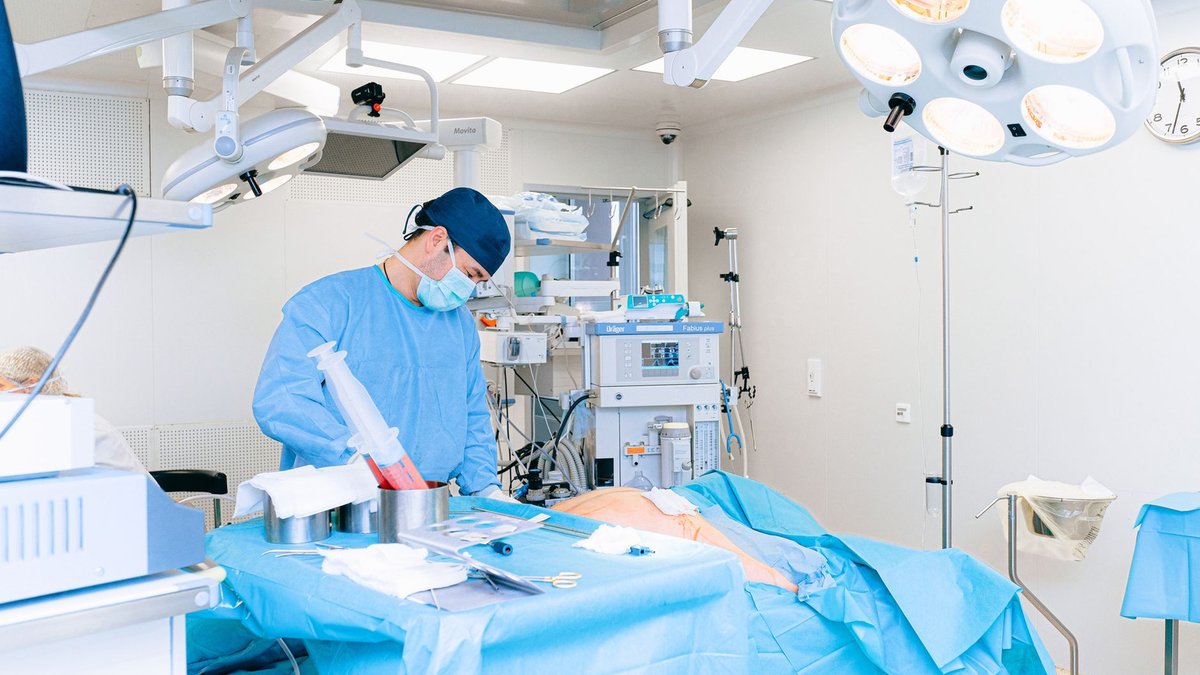
Image Credit: Photo by Anna Shvets on Pexels