
Emory & Georgia Tech Unite: Robotics MD/MS Program’s 2026 Impact
In a strategic move that continues to shape the future of medicine, Emory School of Medicine and Georgia Tech collaboratively launched a pioneering MD/MS dual-degree program in robotics. This initiative, established in recent years, represents a critical convergence of advanced engineering and clinical practice, training a new generation of physician-scientists equipped to drive innovation in healthcare technology.
The program brings together the robust medical curriculum of Emory School of Medicine with the cutting-edge robotics expertise of Georgia Tech. It is designed to cultivate medical professionals who possess not only deep clinical knowledge but also the engineering acumen necessary to develop, implement, and optimize robotic systems in diverse healthcare settings. This interdisciplinary approach addresses a growing demand for practitioners capable of bridging the gap between technological advancement and patient care, a need that has only intensified by September 2026.
Key Analysis: Forging the Future of Clinical Robotics
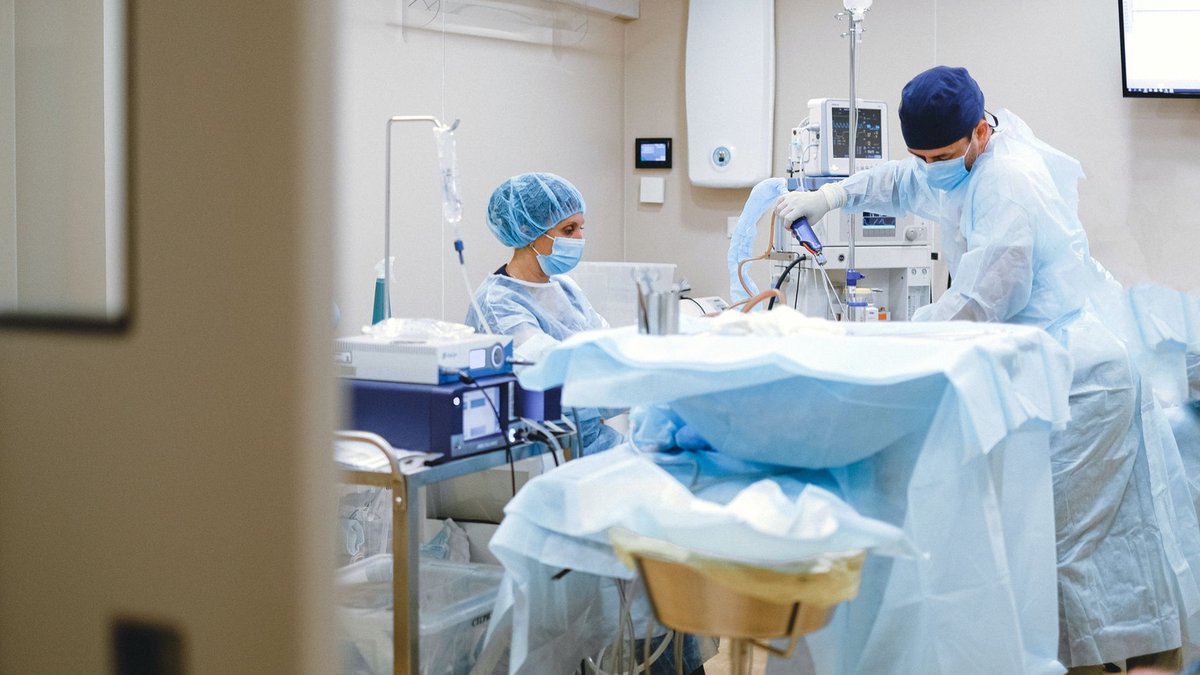
The establishment of such a specialized dual-degree program was a forward-thinking response to the accelerating integration of robotics into medical practice. By 2026, robotic-assisted surgeries have become standard in many specialties, from orthopedics to neurosurgery, and the scope of robotic applications is expanding into diagnostics, rehabilitation, and even patient monitoring. This program uniquely positions its graduates to lead these advancements, offering them a comprehensive understanding of both the biological complexities of the human body and the mechanical intricacies of robotic systems.
Industry observers note that the program’s graduates are poised to become invaluable assets in both academic medicine and the burgeoning medical device industry. They are not merely users of technology but creators and critical evaluators, capable of identifying unmet clinical needs and translating them into tangible robotic solutions. This blend of skills is crucial for navigating the ethical considerations, regulatory landscapes, and practical challenges associated with deploying advanced AI and robotic systems in sensitive healthcare environments.
Why This Matters in the Long Run
The Emory-Georgia Tech MD/MS in Robotics program is more than just an academic offering; it is a foundational pillar for the next era of precision medicine and intelligent healthcare. In the long term, its significance will be measured by the caliber of innovations its alumni introduce, the improvements in patient outcomes they facilitate, and the new paradigms of care they help establish. As healthcare systems globally grapple with increasing demands and the need for greater efficiency and accuracy, professionals trained at this intersection of medicine and robotics will be instrumental in shaping scalable, technologically-driven solutions. This initiative underscores a global trend towards hyper-specialized, interdisciplinary education as the key to unlocking future technological breakthroughs with profound societal impact.
The program’s continued evolution serves as a benchmark for how leading institutions are proactively addressing the complex, interconnected challenges of modern medicine and advanced technology.
Image Credit: Photo by Anna Shvets on Pexels