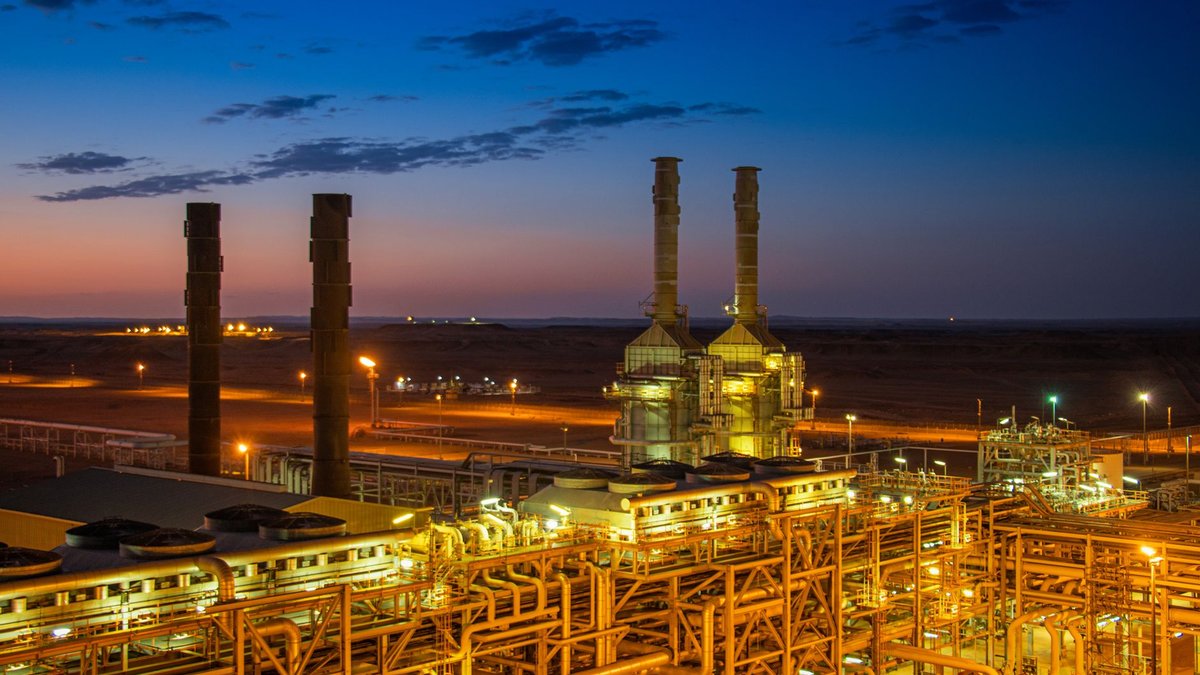
- Gulf Energy Outlook 2026: Executives’ Enduring Optimism Amid Regional Shifts
- Energy Executives’ Gulf Outlook 2026: Optimism Amidst Conflict
- Gulf Energy Outlook 2026: Executive Optimism Endures Amid Geopolitical Shifts
Energy Executives’ Gulf Optimism: A 2025 Retrospective on Strategic Investment
In late 2025, a significant survey reported by Semafor captured the prevailing sentiment among global energy executives: despite ongoing regional geopolitical tensions, optimism regarding investment opportunities in the Gulf region remained notably high. This bullish outlook, documented months ago, underscored a critical divergence between perceived risk and strategic intent within the global energy landscape.
The survey, conducted and reported ahead of its time for this analysis, highlighted a robust confidence in the Gulf’s long-term energy prospects. This optimism was particularly striking given the backdrop of a generalized ‘war’ or regional conflict, the specifics of which were not detailed in the original reporting. The findings indicated that executives were not deterred by immediate instability, suggesting a deeper assessment of the region’s fundamental advantages, including vast hydrocarbon reserves, evolving energy infrastructure, and strategic geographical positioning for global supply chains.
Key Analysis: Resilience Amidst Geopolitical Flux
Analysts observing the energy sector in 2026 can now reflect on the implications of this 2025 executive sentiment. The sustained optimism pointed to a belief that the Gulf region, particularly its major energy producers, possessed an inherent resilience capable of weathering geopolitical storms. Industry observers noted that this could be attributed to several factors: robust sovereign wealth funds providing economic stability, ongoing diversification efforts by Gulf nations into renewables and other sectors, and their pivotal role in global energy security, which often garners international support and investment.
Furthermore, the survey likely reflected an understanding that while conflict might create short-term volatility, the strategic importance of Gulf energy resources for global markets remained undiminished. Major energy companies, often with long-term investment horizons, appear to have factored in geopolitical risks as an inherent cost of doing business in a high-reward region, rather than a prohibitive barrier. This perspective suggests a calculated approach, where the long-term value proposition outweighs immediate concerns about regional instability.
Why This Matters in the Long Run
The 2025 survey’s findings continue to resonate in October 2026, serving as a benchmark for understanding investment psychology in volatile markets. It illustrates how strategic resources and established infrastructure can insulate investment sentiment from immediate geopolitical shocks. For the global energy transition, the sustained investment in the Gulf, driven by this executive optimism, implies a continued reliance on traditional energy sources from the region, even as global efforts towards decarbonization accelerate. This dual trajectory – maintaining traditional energy output while also investing in new energy technologies – is a complex balancing act that will define the future of energy for decades to come, with the Gulf remaining a central player.
The resilience of executive confidence in the Gulf, even amidst conflict, underscores the region’s enduring strategic significance in the global energy matrix.
Image Credit: Photo by adel bouzid on Pexels