As of October 2026, a significant survey reported by Semafor reveals a striking optimism among energy executives regarding opportunities in the Gulf region, even in the shadow of ongoing geopolitical conflict.
This sentiment, highlighted in a past Semafor report, reflects a persistent focus on strategic investments and resource leverage within the critical energy-producing Gulf states. The survey’s findings emerged during a period characterized by sustained regional instability, underscoring a complex interplay between geopolitical challenges and economic imperatives for the global energy sector.
Key Analysis: Navigating Geopolitical Crosscurrents
The reported optimism among energy executives in the Gulf, as observed in the Semafor survey, speaks to a fundamental resilience and strategic calculus within the global energy industry. Analysts suggest this outlook is driven by several factors. Firstly, the Gulf remains an indispensable hub for global energy supply, with vast hydrocarbon reserves and established infrastructure. Despite regional conflicts, the imperative to meet global energy demand often outweighs immediate geopolitical risks for long-term investors. This creates a paradox where instability, while disruptive, can also reconfigure supply chains and create new demands for reliable, albeit geographically sensitive, sources, particularly in a global energy market still deeply reliant on traditional fuels.
Strategic Opportunities in a Shifting Landscape
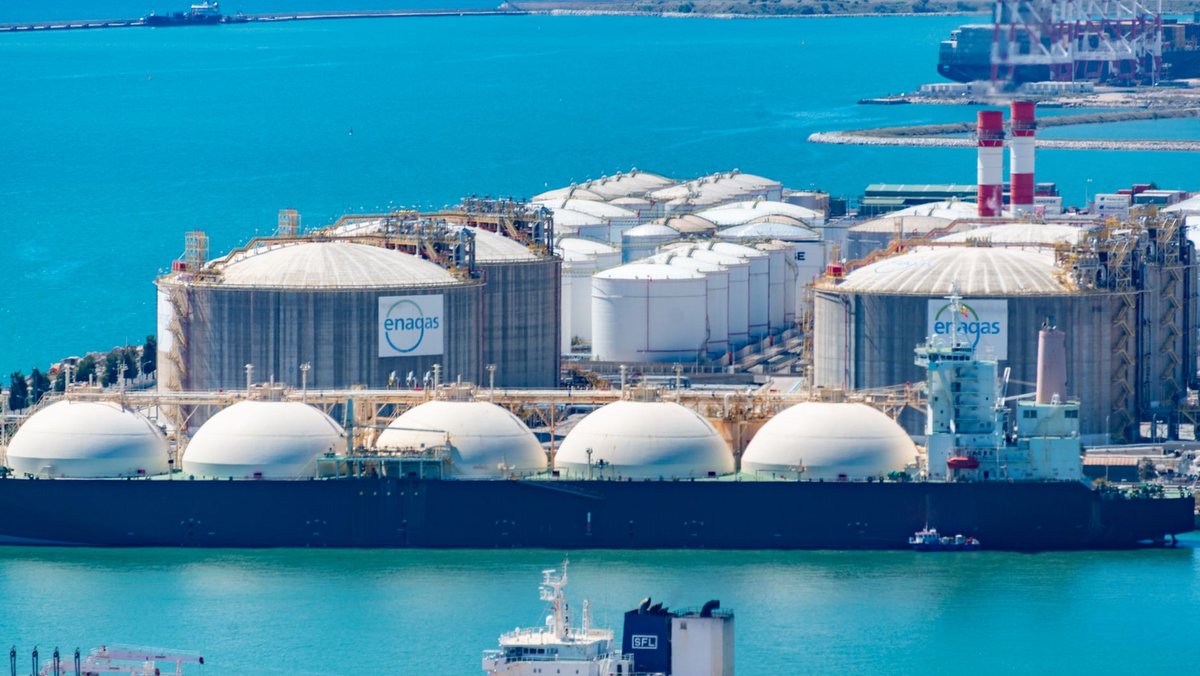
Industry observers note that the “opportunities” referenced likely span beyond traditional oil and gas extraction. While hydrocarbon production remains central, ongoing investments in liquefied natural gas (LNG) infrastructure, petrochemical diversification, and even nascent renewable energy projects within the Gulf could be contributing to this upbeat sentiment. The strategic importance of the region often translates into robust government support for energy projects, providing a degree of stability for major capital investments. Furthermore, the ability to secure long-term contracts and influence global energy prices from a pivotal geographic location provides a compelling draw for executives, even when factoring in elevated risk premiums due to conflict. This strategic positioning allows Gulf energy producers to maintain relevance and influence, irrespective of short-term volatility.
Why This Matters in the Long Run
The enduring optimism of energy executives in the Gulf, as evidenced by the 2026 Semafor report, holds significant long-term implications for global energy security and climate transition pathways. It suggests that despite widespread calls for accelerated decarbonization and the push for renewable energy sources, the Gulf’s role as a primary energy provider is not diminishing but rather evolving. This continued focus on the region implies sustained investment in fossil fuel infrastructure, potentially delaying a rapid global pivot away from hydrocarbons, or at least ensuring a prolonged transition period. For nations reliant on Gulf energy, this executive sentiment forecasts continued supply, albeit within a volatile geopolitical framework, demanding sophisticated risk management and diplomatic engagement. Moreover, it highlights the complex reality that energy transitions are not uniform globally, and regions with significant hydrocarbon endowments will continue to play a crucial role in balancing energy security with climate ambitions for decades to come. The ethical considerations of profiting amidst conflict also remain a persistent, underlying concern for global stakeholders.
The 2026 Semafor survey of energy executives paints a nuanced picture of strategic pragmatism: recognizing profound regional challenges while simultaneously identifying and pursuing significant, albeit complex, energy opportunities in the Gulf. This outlook reaffirms the region’s enduring, complex role in shaping the world’s energy future.
Image Credit: Photo by Diego F. Parra on Pexels