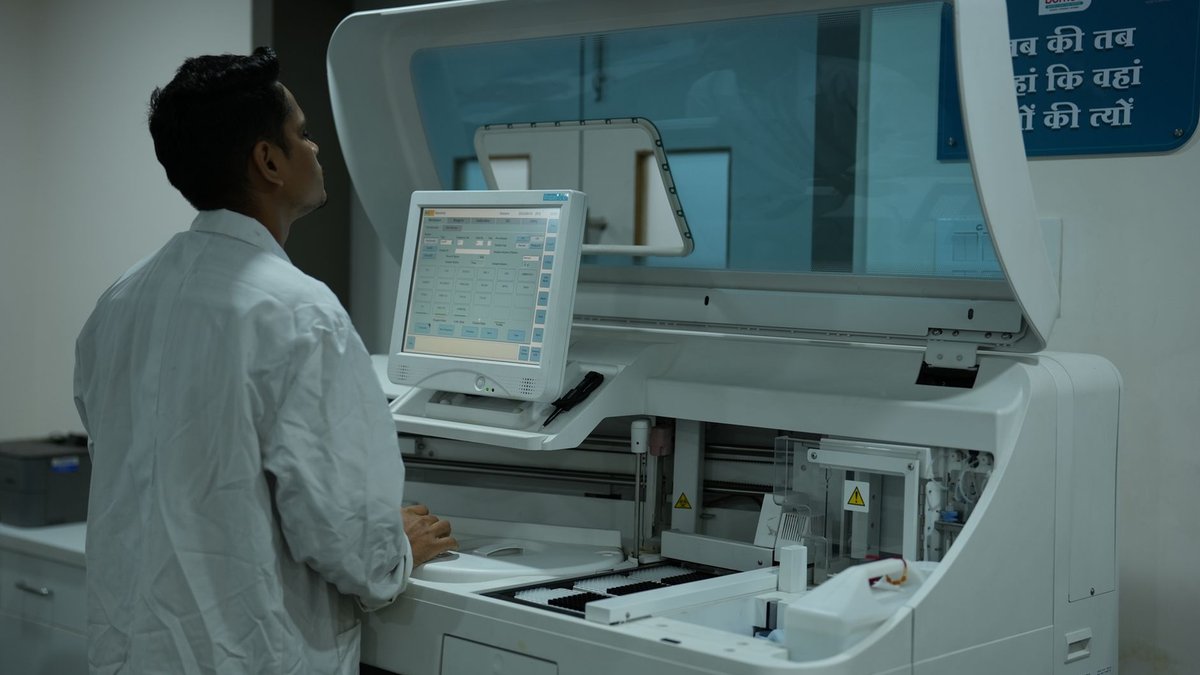
Fertility Tech: ART Clinics’ Automation Push for IVF
The integration of artificial intelligence and automation continues to reshape critical sectors of healthcare, with reproductive medicine emerging as a prime beneficiary. In a significant strategic development that continues to reverberate across the fertility landscape, ART Fertility Clinics and Conceivable Life Sciences formalized a Memorandum of Understanding (MoU) to explore automation-assisted In Vitro Fertilization (IVF) technology at the IVI Institute. This alliance, initiated in a previous period, marked a foundational step towards revolutionizing fertility treatments through enhanced precision and efficiency.
Key Analysis: The Automation Imperative in IVF
The collaboration between ART Fertility Clinics, a prominent provider of reproductive health services, and Conceivable Life Sciences, an innovator in biotechnological solutions, was designed to harness advanced automation for IVF processes. The core objective was to standardize laboratory procedures, minimize human variability, and thereby enhance the consistency and success rates of IVF cycles. The involvement of the IVI Institute, a globally recognized leader in reproductive research, provided a crucial academic and clinical testing ground for these nascent technologies.
Industry observers note that the rationale behind such partnerships is clear: traditional IVF involves numerous delicate, manual steps, each susceptible to minor errors that can significantly impact outcomes. Automation, driven by AI and robotics, promises a paradigm shift by meticulously controlling environmental factors, precisely handling gametes and embryos, and providing real-time data analytics. This not only aims to optimize success rates but also to potentially reduce the emotional and financial burden on prospective parents by streamlining the process and making it more predictable. While specific verified outcomes of this particular MoU are not detailed in the available historical records, the broader trend in 2026 confirms that automation in embryology has seen significant advancements, largely spurred by pioneering collaborations like this one.
Global Implications: Redefining Access and Precision
The implications of automation-assisted IVF extend beyond individual clinics. By making IVF procedures more efficient and potentially more cost-effective in the long run, such technologies could expand access to fertility treatments globally. For regions where highly specialized embryologists are scarce, automated systems could democratize access to high-quality care. Furthermore, the data generated by these automated systems forms a crucial dataset for machine learning algorithms, paving the way for more personalized and predictive fertility treatments tailored to individual patient profiles, a frontier that is actively being explored in 2026 by leading research institutions like Stanford and DeepMind.
Why This Matters in the Long Run
This strategic MoU, signed years prior, represents a crucial marker in the ongoing evolution of medical technology. It underscores a broader trend in healthcare towards precision medicine, where technology is leveraged to deliver highly individualized and effective treatments. As of October 2026, the principles explored through such early partnerships have contributed to the development of sophisticated AI-driven incubators, automated micro-manipulators, and advanced embryo selection algorithms. The long-term impact will likely see reproductive medicine becoming more accessible, predictable, and successful, fundamentally altering the journey to parenthood for millions worldwide.
The journey towards fully automated and AI-optimized fertility solutions continues, with foundational agreements like this one serving as critical milestones in the advancement of human reproductive science.
Image Credit: Photo by JW MEDICARE PVT LTD on Pexels