- Critical: Healthcare Futurist Speakers’ 2026 Outlook
- Healthcare Futurist’s Role: Navigating 2026’s Medical Frontiers
- Future Tech Inventions: 2026 Reality Check on Past Predictions
Critical Tech Trends: WSTDF Maps Evolution of Future Industries by 2026
October 24, 2026 – A recent examination by the World Science, Technology and Development Forum (WSTDF), as reported by Yahoo Finance, has underscored the profound impact of smarter cars, advanced robotics, and innovations in disease prevention on the trajectory of global industries. This comprehensive assessment provides a crucial blueprint for understanding the technological landscape that has taken shape by 2026 and its continuing evolution.
The WSTDF’s analysis highlights these three pillars as central to the ongoing transformation of economic sectors, societal structures, and daily life. Their findings serve as a retrospective look at how foundational research and development in these areas over the past decade have culminated in the advanced applications we see today, while also projecting their near-term future.
Key Analysis: The Intersecting Forces of Innovation
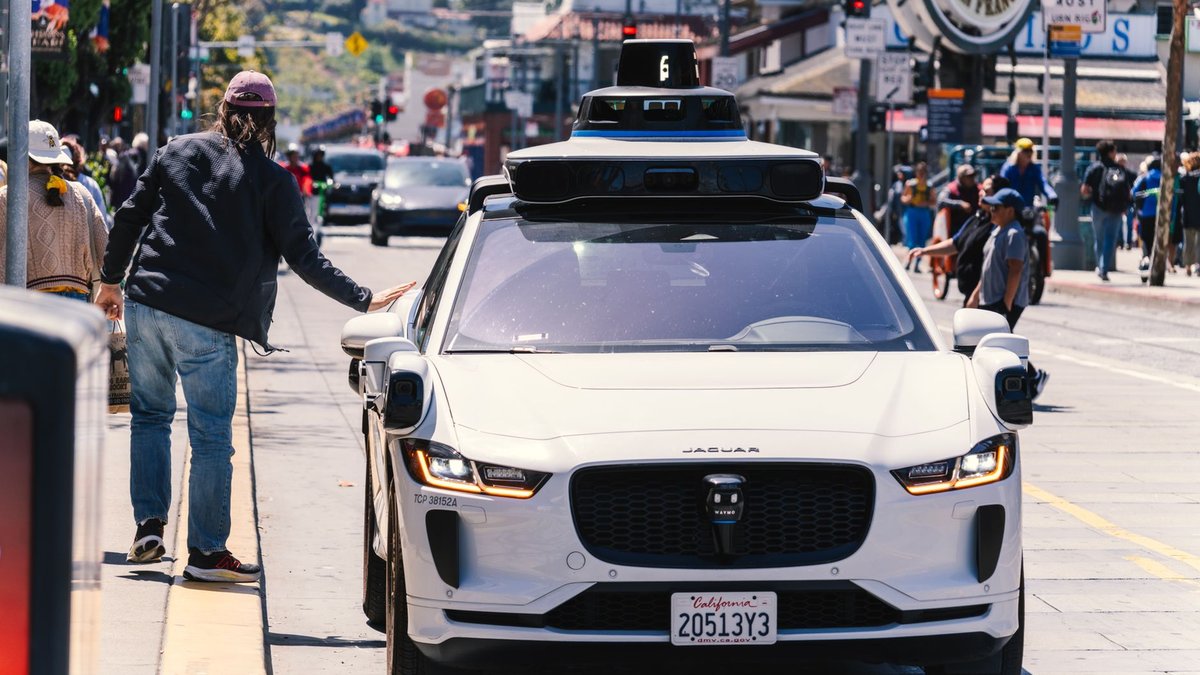
By 2026, the concept of smarter cars extends far beyond mere autonomous driving. Industry observers note that the integration of artificial intelligence (AI) and ubiquitous connectivity has enabled vehicles to become integral nodes within smart city ecosystems. This evolution, driven by advancements from leading research institutions, impacts urban planning, logistics, and even personal mobility paradigms. Ethical considerations surrounding data privacy, liability in autonomous incidents, and the socio-economic implications for professional drivers remain active areas of policy debate across major economies like the EU and the US.
Simultaneously, the field of robotics has witnessed a significant diversification. From sophisticated industrial automation in manufacturing hubs in Asia to collaborative robots (cobots) augmenting human labor in European SMEs, and the burgeoning market for service robots in healthcare and hospitality globally, AI-driven robotics are redefining productivity and operational efficiency. The societal impact includes both the creation of new high-skill jobs in robot development and maintenance, and the ongoing challenge of workforce reskilling to adapt to automated environments. Global market implications are vast, with increased demand for advanced sensors, AI processors, and specialized robotic components.
In disease prevention, the WSTDF’s examination points to a paradigm shift fueled by AI and biotechnology. Genomic sequencing, once a niche technology, has become more widespread, enabling personalized medicine approaches that tailor prevention strategies to individual genetic profiles. AI algorithms are now routinely employed in early disease detection, predictive analytics for public health outbreaks, and accelerated drug discovery processes. This has global market implications for pharmaceutical companies, healthcare providers, and diagnostic firms, particularly in regions with robust biomedical research infrastructure such as the US and Japan. Ethical debates around genetic privacy, equitable access to advanced treatments, and the potential for algorithmic bias in health recommendations are prominent.
Why This Matters in the Long Run
The convergence of smarter cars, robotics, and disease prevention signifies a fundamental reshaping of global value chains and societal norms. As these technologies mature, they promise not only enhanced efficiency and improved quality of life but also present complex challenges related to regulatory frameworks, cybersecurity, and equitable distribution of benefits. The WSTDF’s foresightful examination underscores that nations and industries investing strategically in these sectors today are positioning themselves at the forefront of the 21st-century economy, driving innovation and setting new global standards for progress.
The continued interplay between these domains will define economic competitiveness and human well-being for decades to come.
Image Credit: Photo by Abhishek Navlakha on Pexels