
German Tech Champions 2026: The Startup Landscape Evaluated
As of September 30, 2026, the question posed by DW.com in an earlier report—’Young Startups – Germany’s Next Tech Champions?’—remains a pivotal inquiry into the nation’s economic future and its standing in the global technology arena. This question, initially reflecting an optimistic outlook on Germany’s burgeoning startup ecosystem, continues to frame discussions about innovation, investment, and strategic growth within the European Union.
The Historical Context of Aspiration
The DW.com piece from previous years underscored a growing sentiment that Germany, with its robust industrial base and highly skilled workforce, was ripe for a new wave of technological leadership driven by agile startups. This aspiration was rooted in a recognition that while Germany excelled in traditional manufacturing and engineering, its digital economy and venture capital landscape needed further cultivation to produce companies capable of challenging Silicon Valley or Asian tech giants. The emphasis was on ‘young startups’ as the engines of this transformative potential, signaling a shift from established corporate structures towards dynamic, innovation-driven ventures.
Key Analysis: Tracking Germany’s Tech Trajectory
Two years on from such discussions, the trajectory of German tech startups presents a nuanced picture. While the ecosystem has undoubtedly matured, with increased venture capital flows and a growing number of unicorns, the challenge of consistently producing truly global ‘champions’ remains complex. Analysts suggest that Germany’s strengths lie particularly in deep tech, B2B solutions, and industrial applications, leveraging its engineering heritage. Institutions like the Fraunhofer-Gesellschaft and Technical Universities continue to be wellsprings of research, feeding a pipeline of innovative ideas into the startup sphere.
However, industry observers note that hurdles persist, including competition for top-tier talent, particularly in areas like AI and quantum computing, and a need for greater risk appetite from both investors and founders. While policy initiatives at both national and EU levels, such as the European Innovation Council, aim to foster a more conducive environment, the scale of investment and market access often still trails leading global hubs. The focus now, in 2026, is less on the sheer number of startups and more on their ability to scale rapidly and achieve international market dominance.
Why This Matters in the Long Run
The success, or indeed the ongoing struggle, of German tech startups to become global champions has profound long-term implications for European economic sovereignty and technological independence. A vibrant German tech sector can reduce reliance on non-European platforms and software, bolstering data security and fostering local job creation in high-value sectors. Furthermore, it reinforces Europe’s position as a significant player in the global innovation landscape, contributing to the development of ethical AI frameworks and sustainable technologies. The journey of these startups is not merely about individual company valuations, but about shaping the continent’s strategic technological future.
Conclusion
The question initially posed by DW.com continues to resonate as Germany navigates its path towards a more digitally empowered economy. While significant progress has been made in cultivating a robust startup environment, the ultimate test of becoming ‘next tech champions’ will depend on sustained investment, strategic talent development, and a continued commitment to fostering innovation at scale.
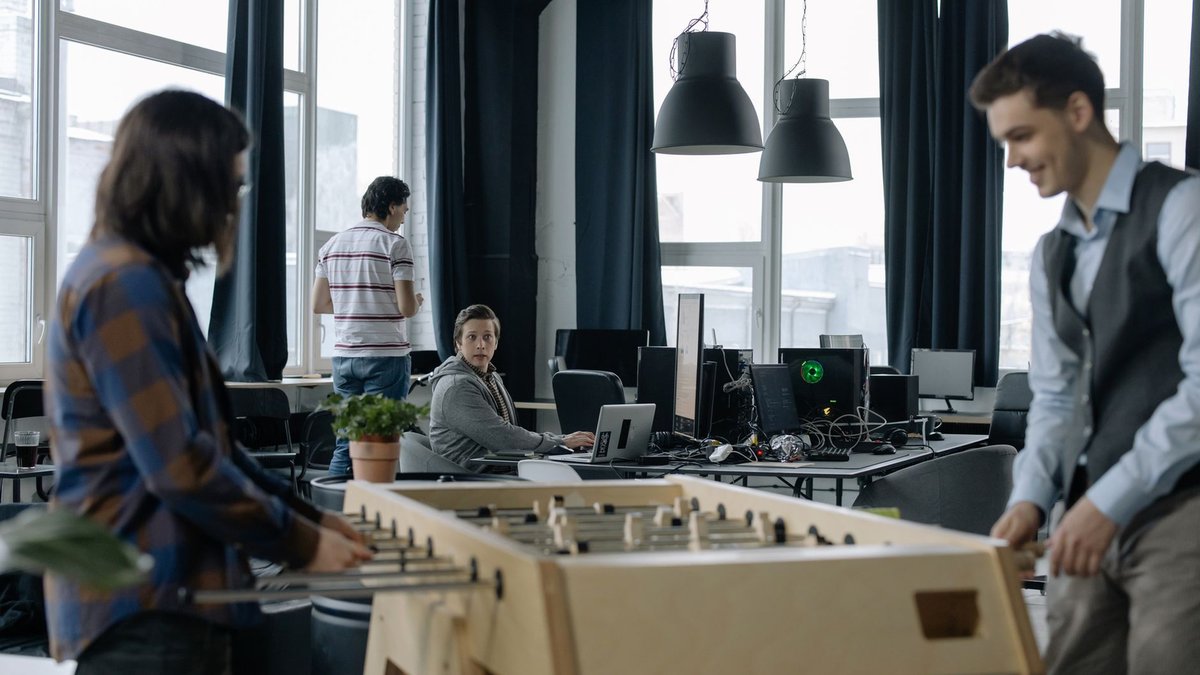
Image Credit: Photo by cottonbro studio on Pexels