- Gix Internet’s AI Robotics Transform Hospital Logistics by 2026
- Robotic Surgery’s Shanghai Pivot: Intuitive Surgical’s Enduring China Strategy
- Dual-Degree Revolution: Medicine and Robotics Merge at Georgia Tech, Emory
Gix Internet’s AI Robotics Redefines Medical Logistics at Sheba Medical Center
In a pivotal moment that underscored the accelerating integration of artificial intelligence into critical healthcare operations, Gix Internet’s expansion of AI-powered robotics for blood and bone marrow deliveries at Sheba Medical Center marked a significant advancement in hospital logistics. As reported by Yahoo Finance in the preceding years, this initiative, now a well-established practice by October 2026, demonstrated a clear pathway for enhancing efficiency, safety, and precision in medical supply chains.
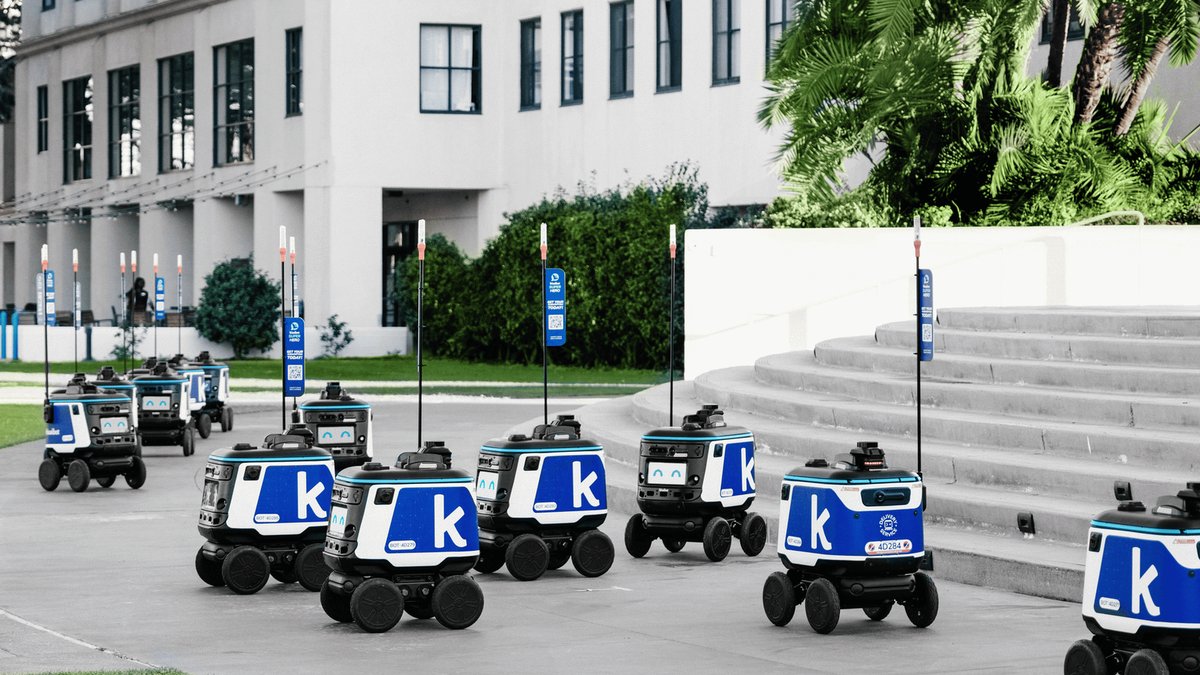
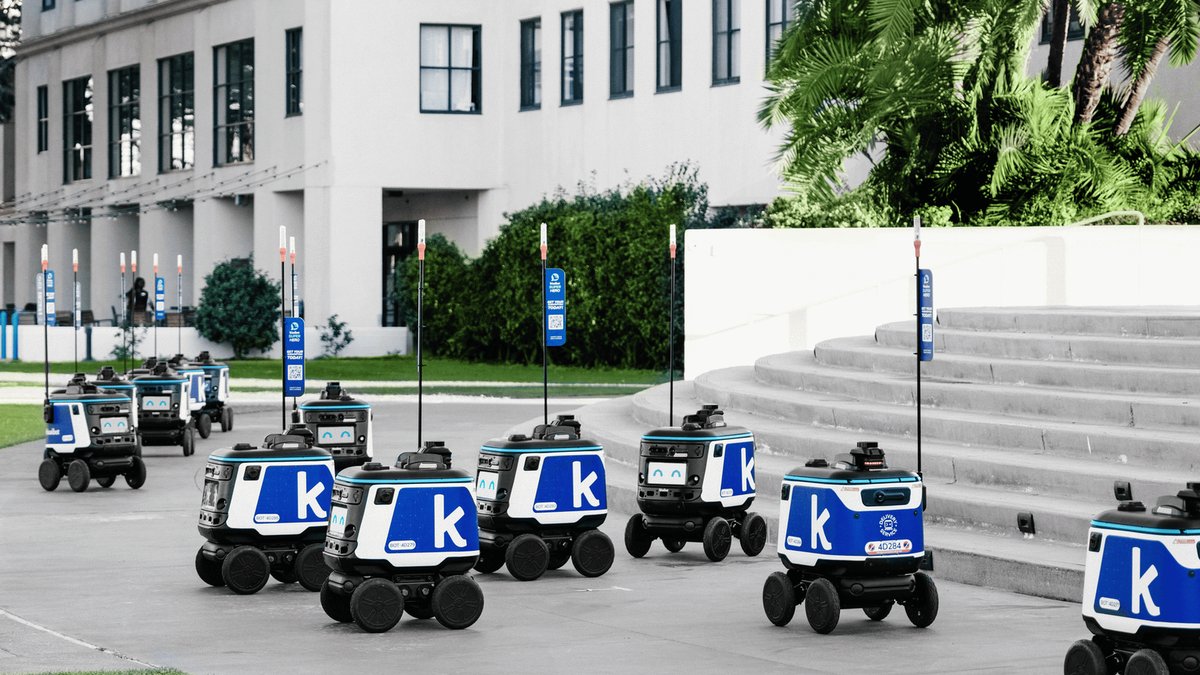
The deployment at Sheba Medical Center, one of the world’s leading hospitals, highlighted the tangible benefits of autonomous systems in high-stakes environments. The robotic platforms, leveraging advanced AI algorithms, were engineered to navigate complex hospital layouts, ensuring timely and accurate delivery of highly sensitive biological materials. This move was not merely about automation; it represented a strategic shift towards minimizing human error, reducing delivery times, and optimizing staff deployment for patient-facing roles. The ability of these robots to handle delicate and time-critical deliveries, such as blood products and bone marrow samples, validated the operational robustness of AI in real-world medical applications.
Key Insights: The ‘Why’ Behind Robotic Integration
The transition to AI-driven robotics in medical logistics, as pioneered by Gix Internet at Sheba, is fundamentally driven by the imperative for unparalleled precision and speed. Traditional manual delivery methods, while reliable, are susceptible to human factors like fatigue, misdirection, and varying response times. AI-powered robots, conversely, operate with consistent accuracy and speed, unburdened by these limitations. As researchers at institutions like MIT and Stanford have long predicted, the convergence of AI with robotics provides a solution that ensures critical materials reach their destination without delay, maintaining optimal conditions throughout transit.
Furthermore, the ethical considerations surrounding patient safety and data integrity are central to such deployments. These robotic systems are designed with stringent security protocols and fail-safes, ensuring that sensitive medical deliveries are tracked and handled with the utmost care. The ‘why’ extends beyond mere efficiency; it encompasses a profound commitment to patient outcomes, where the integrity and timely availability of blood and bone marrow can be life-saving. Industry observers note that this model has become a blueprint, influencing similar automated logistics projects across global healthcare systems by 2026, particularly in densely populated urban medical centers.
Why This Matters in the Long Run
The successful integration of Gix Internet’s AI robotics at Sheba Medical Center serves as a powerful testament to the transformative potential of automation in healthcare. In the long run, this development is a critical step towards fully autonomous hospital ecosystems, where AI not only manages logistics but also assists in diagnostics, patient care, and administrative tasks. It paves the way for a future where medical professionals are liberated from routine, time-consuming tasks, allowing them to focus their expertise on complex patient needs. This shift will likely lead to enhanced operational resilience, particularly during public health crises, and contribute to a more sustainable and efficient global healthcare infrastructure. The precedent set by Gix Internet continues to inspire further innovation in medical robotics and AI applications worldwide.
As the digital transformation of healthcare accelerates, the foundational work done in automating critical deliveries will undoubtedly influence the design of next-generation hospitals and the training of future medical personnel.
Image Credit: Photo by Catalina Carvajal Arango on Pexels