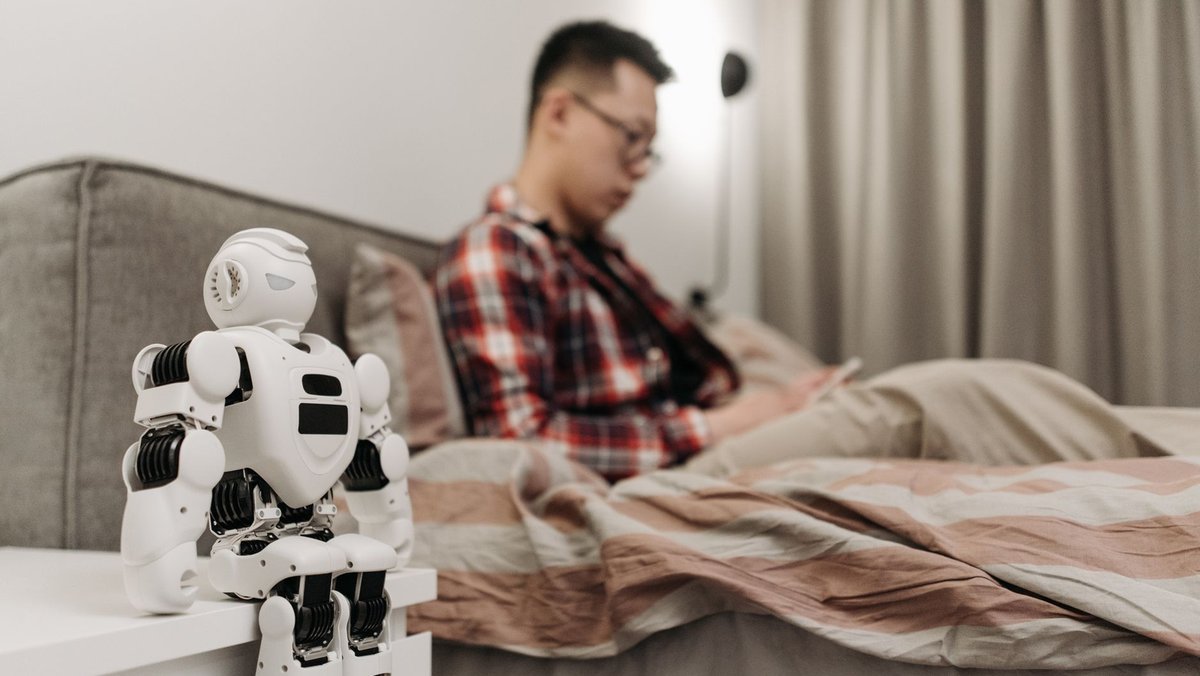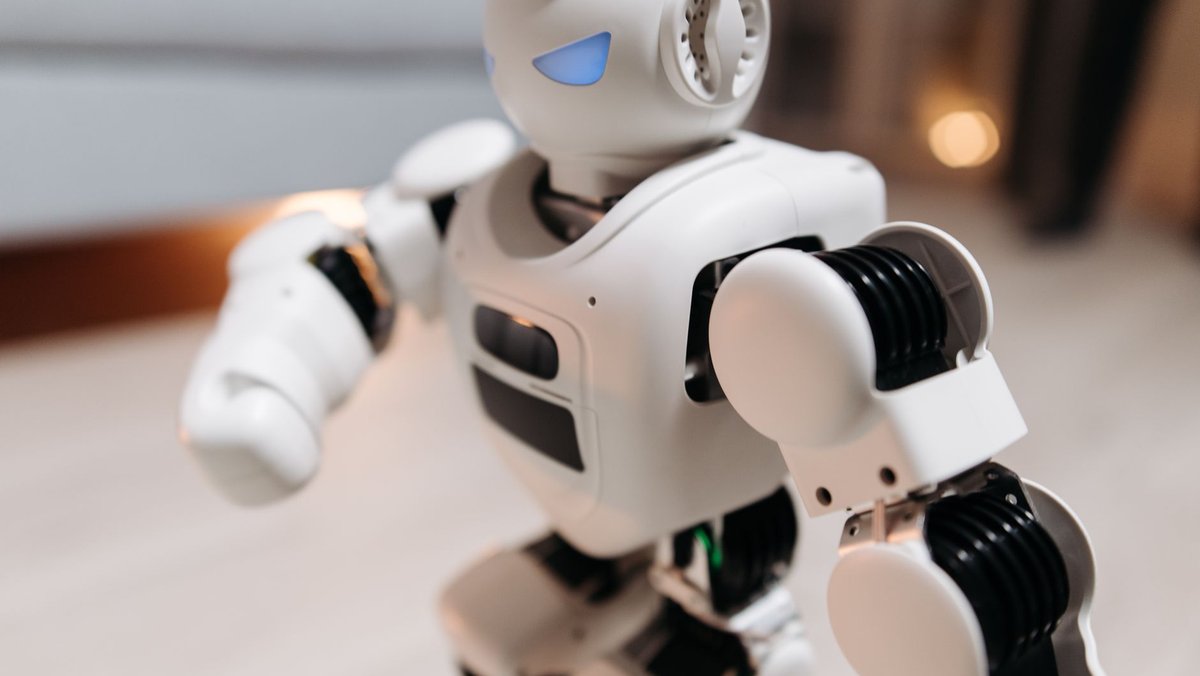
- Humanoid Robot Cleaning: The Domestic Revolution Begins 2026
- 2026’s Relentless Tech Pace: SingularityHub Spotlights Latest Innovations
- Humanoid Robots 2026: The Evolving Reality of Domestic Automation
Humanoid Robots Enter Homes: A Glimpse into Domestic Automation in 2026
The long-anticipated integration of humanoid robotics into domestic environments is accelerating, with a recent observation by MIT Technology Review highlighting the tangible progress. A reporter witnessed a humanoid robot autonomously cleaning an apartment, an experience described as a definitive “taste of the future.” This event, reported in late 2026, underscores the significant strides made in robotic dexterity, AI-driven perception, and navigation, pushing these advanced machines beyond industrial settings and into everyday human spaces.
The Evolution of Domestic Robotics
For decades, home automation has been largely limited to single-purpose devices like robotic vacuum cleaners. However, the emergence of general-purpose humanoid robots capable of complex, varied tasks marks a paradigm shift. The ability of a humanoid robot to perform intricate cleaning tasks within the unstructured and unpredictable environment of a human apartment signifies a maturation of underlying AI and mechanical engineering. These robots leverage advanced sensors, real-time environmental mapping, and sophisticated manipulation algorithms to adapt to diverse objects and surfaces, a stark contrast to the more controlled environments they traditionally operated in.
Key Analysis: Bridging the Gap to Practicality
Industry observers note that while industrial robots have long excelled in repetitive, high-precision manufacturing, the domestic sphere presents unique challenges: variability, safety, and intuitive interaction. The MIT Technology Review’s account suggests that developers are beginning to overcome these hurdles. The successful execution of apartment cleaning implies robust object recognition, path planning around obstacles, and delicate handling of household items. This capability is not merely about efficiency; it’s about demonstrating a level of autonomy and adaptability previously confined to research labs.
Analysts suggest that this development could unlock new service economies, particularly in elder care, assistance for individuals with disabilities, and general household management. However, the ethical implications, including data privacy, potential job displacement in service sectors, and the psychological impact of human-robot cohabitation, remain critical areas of ongoing discussion and regulatory development. Global labs, including those at Stanford and DeepMind, continue to push the boundaries of human-robot interaction and safety protocols to address these concerns proactively.
Why This Matters in the Long Run
The deployment of humanoid robots in domestic settings represents a pivotal moment in the broader narrative of AI integration into daily life. It signifies a move from abstract technological potential to concrete, functional application. In the long term, this trend will reshape urban living, labor markets, and societal expectations regarding convenience and assistance. As these robots become more commonplace, they will drive further innovation in battery technology, materials science, and ethical AI frameworks, ultimately redefining the very concept of a ‘smart home’ to include intelligent, autonomous companions capable of complex physical tasks.
The experience of watching a humanoid robot clean an apartment, as reported by MIT Technology Review, is more than a technological feat; it is a tangible preview of a future where advanced robotics seamlessly integrates into the fabric of human existence, prompting both excitement and critical introspection.
Image Credit: Photo by Pavel Danilyuk on Pexels