
IEEE TryEngineering’s STEM Series: Cultivating Future Innovators by 2026
In a foresightful move several years ago, the Institute of Electrical and Electronics Engineers (IEEE), through its TryEngineering initiative, unveiled a new STEM book series specifically tailored for tweens. This initiative, designed to engage young minds with foundational concepts in science, technology, engineering, and mathematics, continues to underscore the critical importance of early educational intervention in shaping the global technological landscape of 2026.
The series, launched by TryEngineering, an IEEE program dedicated to inspiring pre-university students, targeted children in their formative tween years. The core objective was to demystify complex STEM subjects, presenting them in an accessible and engaging format, thereby fostering curiosity and laying groundwork for future academic and career paths in critical technological fields. As of 2026, the long-term implications of such dedicated outreach efforts are becoming increasingly evident in the push for a skilled global workforce.
Analysis: Bridging the Early STEM Gap
The IEEE TryEngineering book series emerged at a time when global demand for STEM professionals was already on a steep upward trajectory, a trend that has only intensified by 2026. The strategic focus on tweens—a demographic often overlooked in advanced STEM outreach—was particularly astute. This age group represents a pivotal stage where interests are solidified, and foundational knowledge can be absorbed most effectively. By introducing engineering principles and scientific inquiry through narrative and practical examples, the series aimed to cultivate not just knowledge, but also a problem-solving mindset crucial for innovation.
Industry observers note that early exposure to STEM, particularly through engaging and relatable content, is paramount in addressing the persistent skills gap in technology and engineering sectors. “Initiatives like the IEEE TryEngineering book series are vital for building a robust pipeline of talent,” stated an education analyst, emphasizing that sustained engagement from a young age is far more effective than last-minute interventions. The authoritative backing of IEEE lends significant credibility and pedagogical rigor to the content, ensuring that the materials are both accurate and aligned with evolving industry standards.
Why This Matters in the Long Run
By September 2026, the enduring impact of programs like the IEEE TryEngineering book series extends beyond individual learning outcomes. These initiatives contribute significantly to national and global competitiveness in an increasingly technology-driven world. Nurturing a generation of STEM-literate citizens ensures not only a future workforce capable of driving innovation in AI, space exploration, and advanced computing, but also a populace equipped to make informed decisions about complex scientific and technological issues. The long-term societal benefits include enhanced critical thinking, improved digital literacy, and a greater capacity for adapting to rapid technological shifts, all of which are indispensable for navigating the challenges of the late 2020s and beyond.
The continued relevance of the IEEE TryEngineering series in 2026 highlights an ongoing commitment from leading professional organizations to invest in foundational education. Such early-stage engagement is not merely about creating future engineers, but about fostering a culture of innovation and scientific inquiry that will define the next era of human progress.
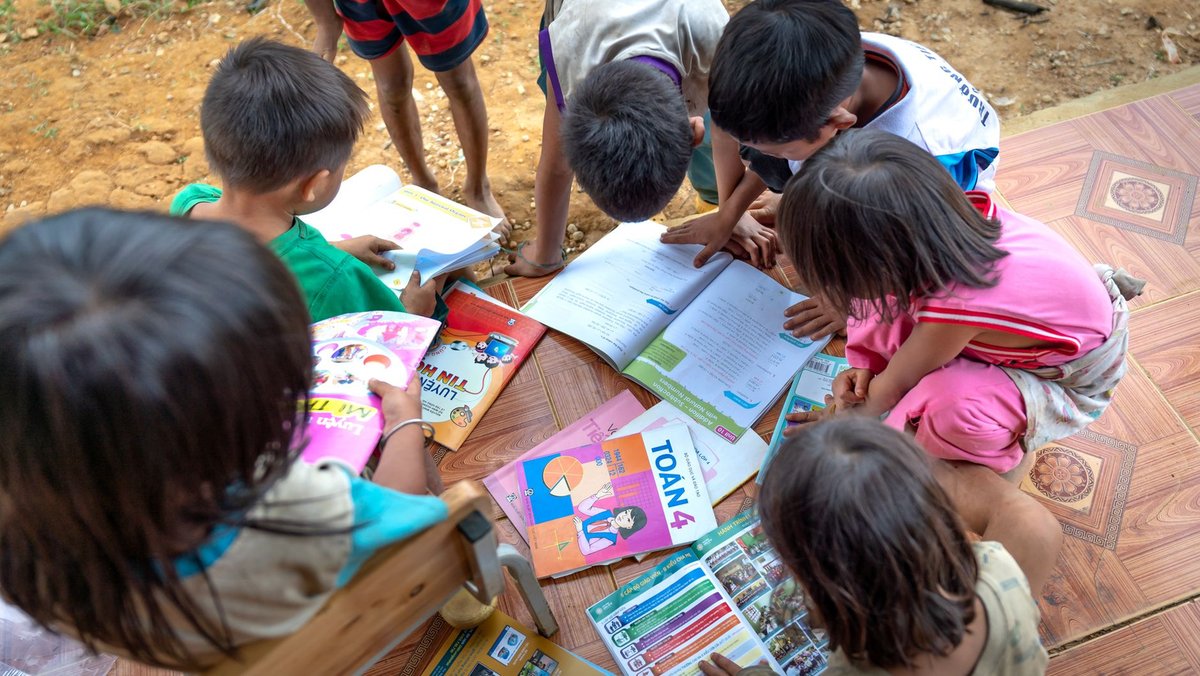
Image Credit: Photo by Quang Nguyen Vinh on Pexels