Iran Tech Collaboration: Strategic Alignment Shapes Future Global Innovation
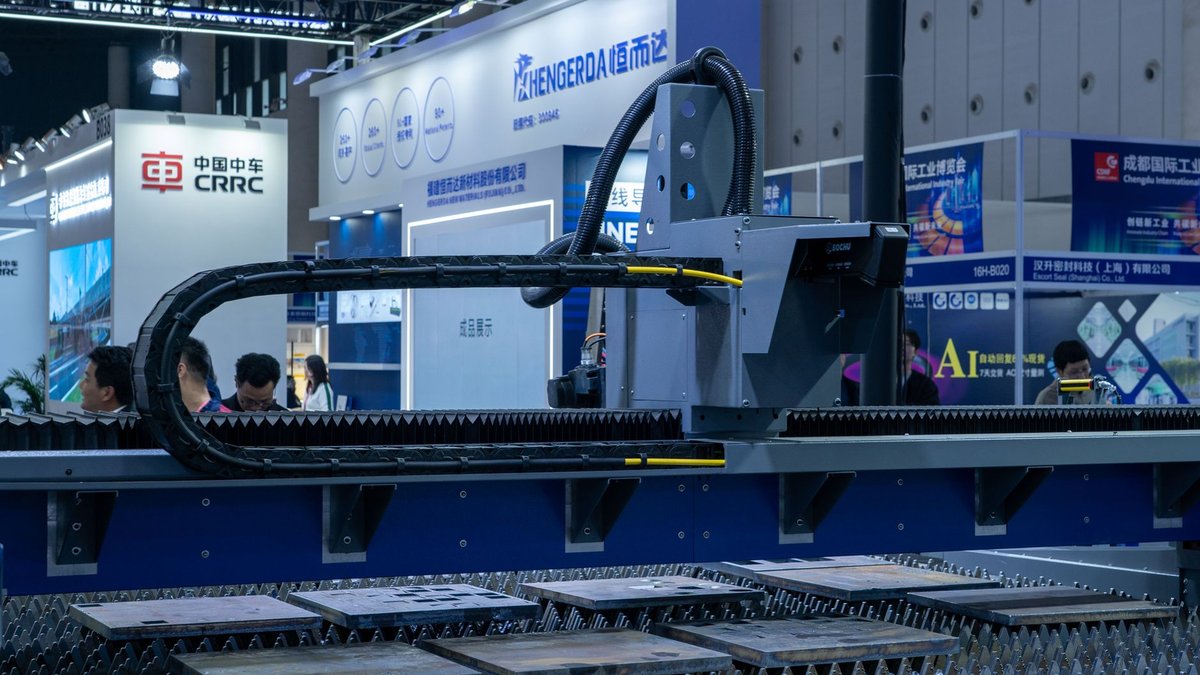
Years prior to 2026, a series of exhibitions saw Iranian tech firms showcasing their innovations in Russia and China, an early indicator of a strategic alignment that has profoundly reshaped the global technological landscape.
As reported by the Tehran Times, these historical showcases, occurring in the years leading up to our present 2026, marked a significant pivot for Iran’s burgeoning technology sector. While specific dates and participating firms remain largely unpublicized outside state media, these events demonstrated a concerted effort by Iran to foster deeper technological cooperation with key geopolitical partners, Russia and China, amidst a complex international environment. This strategic outreach was perceived by many analysts as a foundational step in building alternative tech ecosystems.
Key Analysis: Geopolitical Drivers of Tech Cooperation
The motivations behind these collaborations, viewed from 2026, are multi-faceted. Primarily, they served as a mechanism for circumventing Western sanctions, allowing Iranian firms access to international markets and collaborative opportunities that might otherwise be restricted. For Russia and China, these partnerships offered avenues to diversify their supply chains, access specialized expertise, and strengthen their own positions in an increasingly fragmented global tech arena. Industry observers noted that areas of potential synergy likely included cybersecurity, telecommunications infrastructure, AI applications, and potentially even aerospace technologies, where Iran has demonstrated indigenous capabilities.
This historical period, marked by these showcases, underscored a growing trend of “de-globalization” in technology, where geopolitical blocs began to solidify their independent digital infrastructures and innovation pipelines. “Such showcases, while seemingly minor at the time, were pivotal in laying the groundwork for the more integrated tech partnerships we observe today between these nations,” states Dr. Anya Sharma, a senior research fellow at the Oxford Internet Institute, specializing in digital geopolitics. The mutual benefits extended beyond mere market access, fostering knowledge transfer and joint research initiatives that have matured significantly by 2026.
Why This Matters in the Long Run
The long-term impact of these early tech showcases is evident in the current (2026) architecture of global technology. What began as individual exhibitions has evolved into more formal frameworks for technological cooperation, including joint ventures, shared R&D hubs, and coordinated efforts in setting regional tech standards. This historical alignment has contributed to the emergence of distinct, powerful tech blocs, challenging the previously Western-dominated technological paradigm. It highlights a future where technological innovation is increasingly influenced by geopolitical alliances, potentially leading to divergent standards, interoperability challenges, and a more complex competitive landscape for multinational tech corporations.
The decision by Iranian tech firms to showcase their innovations in Russia and China, years ago, was more than just a series of trade events; it was a strategic declaration, the ripples of which continue to shape the contours of global technological development and cooperation in 2026.
Image Credit: Photo by Peter Xie on Pexels