- Goa AI Ecosystem 2026: Innovation & Tech Conclave Returns
- JETOUR’s Early Tech Integration: A Retrospective on Chery’s Innovation and Future Travel (2026)
- JETOUR’s Strategic Drive: Integrating Tech for Experiential Travel 2026
JETOUR’s Early Tech-Travel Integration: A 2026 Retrospective
In a strategic maneuver that foreshadowed today’s integrated mobility ecosystems, Chery’s sub-brand JETOUR, in earlier years, positioned itself at the nexus of automotive technology and real-world travel experiences. This initiative, highlighted in reports from the period, aimed to transcend traditional vehicle manufacturing by embedding advanced digital solutions directly into the travel journey.
The core of JETOUR’s approach revolved around leveraging cutting-edge technology to enhance user interaction, navigation, and entertainment within its vehicles, effectively turning cars into mobile digital hubs. This foresight aligned with Chery’s broader mandate to expand innovation across its portfolio, a directive that has since propelled the Chinese automotive giant into new market segments and technological frontiers by 2026. The emphasis was not merely on in-car infotainment but on creating a seamless digital thread that extended from trip planning to post-journey reflection, utilizing connectivity and smart services to enrich every aspect of travel.
Key Analysis: Foresight in Digital Mobility
Industry observers note that JETOUR’s early focus on connecting technology with travel was a prescient move. At a time when many automotive manufacturers were still primarily concerned with powertrain efficiency and autonomous driving capabilities, JETOUR was already exploring the ‘experience layer’ of mobility. This involved integrating advanced telematics, sophisticated AI-driven navigation, and personalized digital assistants designed to understand user preferences and optimize routes based on real-time conditions and points of interest. Such features, which are now becoming standard across the premium vehicle market, were a differentiating factor for JETOUR, allowing it to carve out a niche in the burgeoning smart mobility sector.
The societal impact of such integrations, as seen by 2026, has been profound. The expectation for vehicles to offer more than just transport has become ingrained in consumer psychology. Drivers and passengers alike now anticipate a highly personalized, context-aware digital environment within their cars, capable of managing schedules, providing localized information, and serving as a connectivity portal. This shift has pushed traditional tech companies like Apple and Google deeper into the automotive space, competing with and collaborating with manufacturers to define the next generation of in-car digital ecosystems, a trend that JETOUR’s early strategy helped to accelerate.
Why This Matters in the Long Run
JETOUR’s foundational efforts in merging vehicle technology with travel experiences are a critical historical marker in the evolution of smart mobility. By prioritizing the digital journey alongside the physical one, Chery, through JETOUR, contributed to setting a new benchmark for user expectation in the automotive industry. This approach has directly influenced the development of subscription-based in-car services, advanced driver-assistance systems (ADAS) that learn from user habits, and the proliferation of vehicle-to-everything (V2X) communication protocols aimed at creating a more interconnected travel landscape. As we look towards further integration of AI and ubiquitous connectivity in 2026 and beyond, the blueprint laid by brands like JETOUR continues to shape how we interact with our vehicles and perceive the act of travel itself.
The journey towards fully integrated, intelligent travel experiences is ongoing, with these early innovations serving as vital stepping stones.
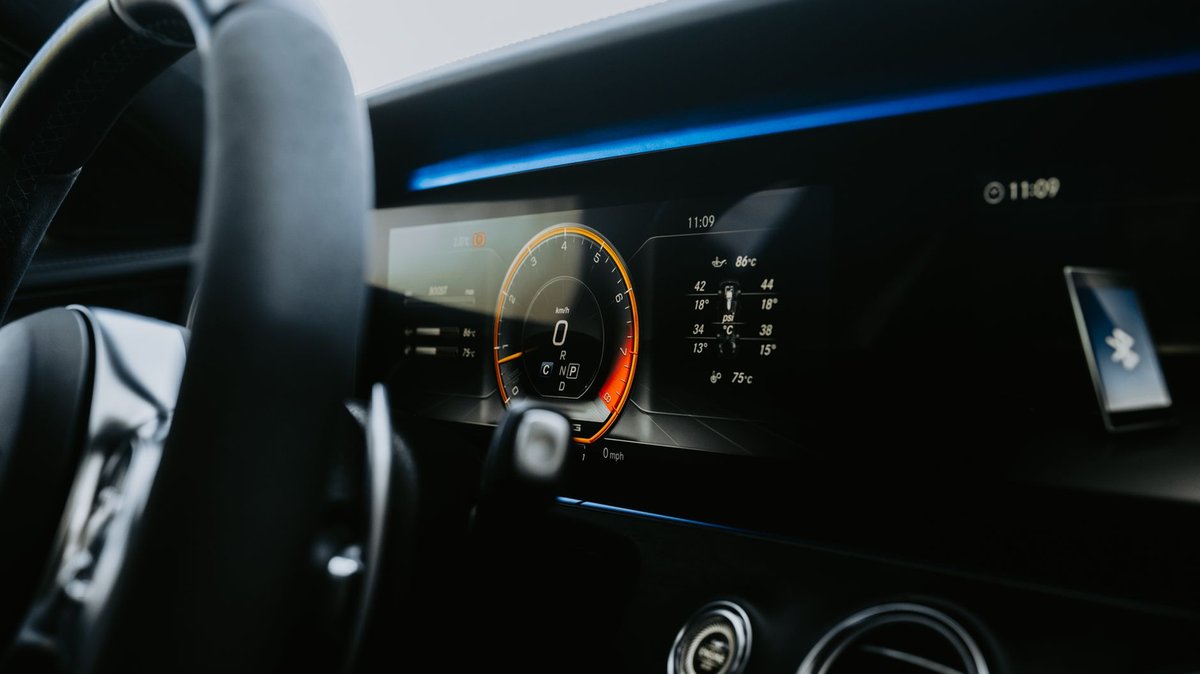
Image Credit: Photo by Luke Miller on Pexels