- JETOUR’s Tech-Travel Fusion: Chery’s Innovation Trajectory in 2026
- AI’s Dual Impact 2026: Power, Perils, and Path Forward
- JETOUR’s ‘Travel+’ Ecosystem: A Retrospective on Integrated Mobility
JETOUR’s Tech-Travel Fusion: Chery’s Innovation Strategy by 2026
In the mid-2020s, Chinese automotive giant Chery embarked on a strategic expansion of its innovation footprint, notably through its sub-brand JETOUR. This initiative, highlighted in earlier reports, focused on a critical market differentiator: seamlessly connecting advanced technology with real-world travel experiences. By October 2026, this approach has solidified JETOUR’s position, reflecting a broader industry trend towards integrated digital ecosystems within vehicles.
The initial reports from sources like Yahoo Finance underscored Chery’s intent to leverage technological prowess to enhance the travel dimension of its JETOUR vehicles. This wasn’t merely about adding gadgets, but about crafting a holistic user experience where connectivity, intelligent driving features, and entertainment converged to redefine the journey itself. The strategy aimed to appeal to a demographic increasingly valuing smart, connected, and experiential travel, moving beyond traditional automotive utility.
Key Analysis: The ‘Why’ Behind Integrated Travel Tech
Chery’s investment in integrating technology with travel through JETOUR was a proactive response to several market forces. Firstly, consumer expectations for in-car digital experiences have surged, driven by pervasive smartphone integration and the rise of the ‘digital nomad’ culture. Vehicles are no longer just transportation; they are extensions of our digital lives and mobile workspaces. Secondly, the competitive landscape in the global automotive sector, particularly for emerging brands, necessitates unique value propositions. By focusing on ‘real-world travel’—implying robust performance for diverse terrains and long journeys, coupled with sophisticated digital amenities—JETOUR sought to carve out a distinct niche.
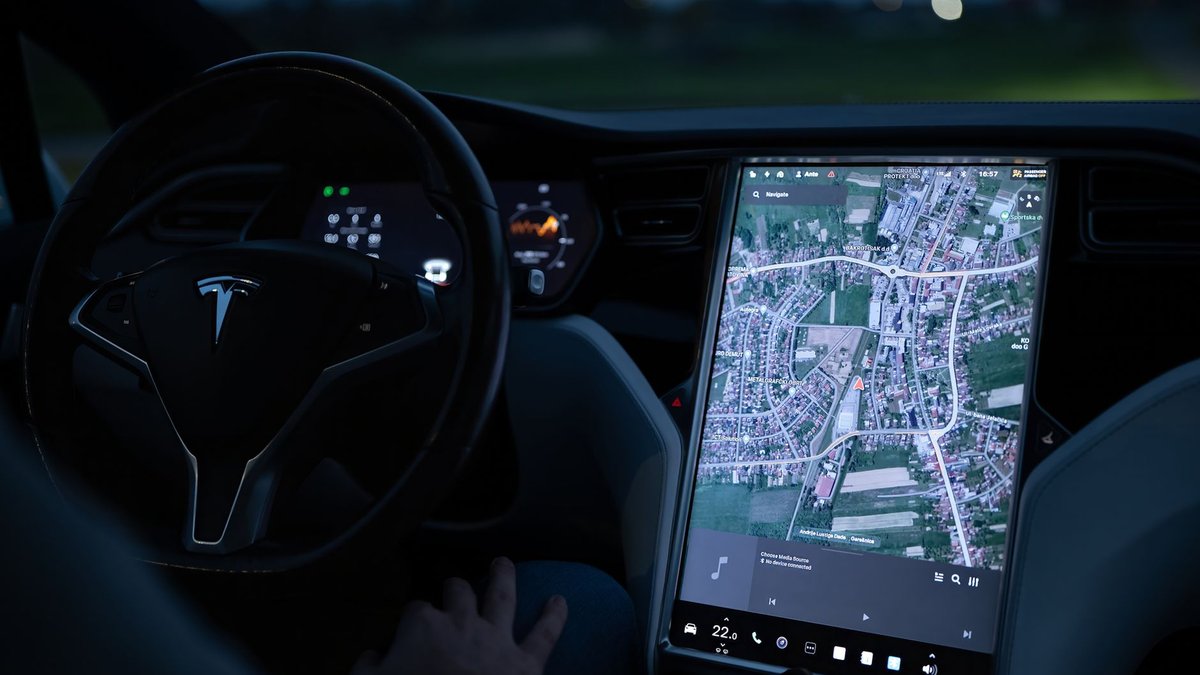
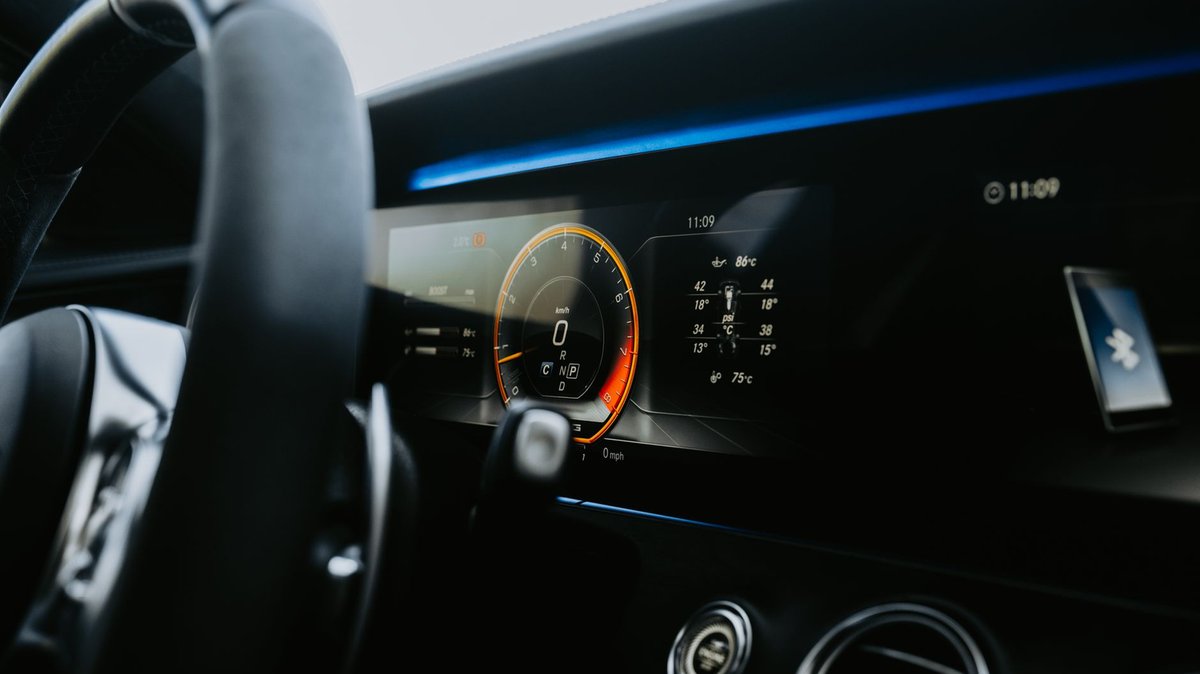
Industry observers note that this approach allowed Chery to differentiate JETOUR from competitors relying solely on raw performance or price points. The emphasis on technology for travel includes advancements in intelligent cockpit design, enhanced navigation systems, advanced driver-assistance systems (ADAS) tailored for varied driving conditions, and robust in-car entertainment and connectivity options. This fusion aims to reduce travel fatigue, improve safety, and transform journey time into productive or leisure time, thereby increasing the intrinsic value of the vehicle beyond its mechanical capabilities. Analysts suggest this strategy also laid groundwork for future developments in autonomous travel and personalized mobility solutions.
Why This Matters in the Long Run
By October 2026, Chery’s early mid-2020s commitment to tech-driven travel has proven prescient. The automotive industry is increasingly defined by its software and service offerings as much as its hardware. Brands like JETOUR, which prioritized the digital travel experience, are now better positioned to integrate next-generation technologies such as advanced AI for predictive maintenance, hyper-personalized in-car environments, and seamless vehicle-to-infrastructure (V2I) communication. This foundational strategy supports long-term growth by fostering customer loyalty through continuous software updates and new digital service offerings, ensuring vehicles remain relevant and valuable throughout their lifecycle. It also underscores the shift of automotive companies towards becoming mobility service providers rather than just manufacturers.
The strategic pivot by Chery with JETOUR demonstrated a clear understanding of the evolving consumer landscape, where innovation in travel technology is not just an add-on, but a core component of brand identity and market success.
Image Credit: Photo by Luke Miller on Pexels