
- Healthcare Futurist Insights: Navigating Medicine’s Future in 2026
- AI’s Massachusetts Blueprint: Revisiting 2024 Tech Leadership Dialogues
- Massachusetts AI Summit: Two Years On, What’s Changed?
The synergy between human expertise and artificial intelligence continues to redefine healthcare, a trajectory keenly anticipated years ago. A foundational discussion that has shaped much of today’s discourse was a conversation between renowned futurist Kevin Kelly and Dr. Ning Song of Diagens Tech (2526. HK), titled ‘The Next Decade of Medical AI: How Humans and AI Collaborate’. First published in a leading digital journal, this exchange, likely from 2024 or 2025, posited a future where AI would not supplant medical professionals but rather augment their capabilities, a vision that, by September 29, 2026, is visibly manifesting across global health systems.
Key Analysis: Human-AI Synergy in Healthcare
The core insight from the Kelly-Song dialogue, as industry observers reflect, was the emphasis on collaboration over replacement. Rather than a dystopian view of AI-dominated clinics, the conversation highlighted a nuanced integration where AI acts as an indispensable partner. This perspective is now a guiding principle for research and development within the medical technology sector. Companies like Diagens Tech, a publicly listed entity (2526. HK), are at the forefront of developing AI solutions that enhance diagnostic accuracy, personalize treatment protocols, and streamline operational efficiencies, all while keeping human oversight central.
In 2026, this collaborative model is evident in several domains. AI-powered diagnostic tools, for instance, are not replacing radiologists but are assisting them in identifying subtle patterns in medical imaging with unprecedented speed and precision. Similarly, in drug discovery, AI algorithms accelerate the identification of potential compounds and predict their efficacy, dramatically shortening development cycles. This strategic partnership frees human clinicians and researchers to focus on complex decision-making, patient interaction, and innovative problem-solving, areas where human intuition and empathy remain irreplaceable.
Expert Insights: The Unfolding of a Decade-Long Vision
The conversation between Kelly and Song served as an early blueprint for the ethical and practical considerations now paramount in medical AI deployment. Analysts suggest that their foresight in advocating for systems designed for human-AI interaction, rather than purely autonomous operation, has helped mitigate some of the early ethical concerns surrounding AI in medicine. This focus on ‘co-piloting’ medical processes ensures accountability and maintains the critical human element in patient care. The global market for collaborative AI tools in healthcare reflects this trend, with significant investment flowing into platforms that prioritize explainable AI and human-in-the-loop validation.
Why This Matters in the Long Run
The long-term implications of the human-AI collaboration paradigm, as championed by figures like Kevin Kelly and Dr. Ning Song, are profound. It sets the stage for a future where healthcare is not only more efficient and precise but also more equitable and accessible. By leveraging AI to automate routine tasks and provide data-driven insights, medical professionals can extend their reach and offer higher quality care to a broader population. This foundational shift is crucial for addressing global health challenges, from chronic disease management to pandemic preparedness, positioning AI as a vital enabler rather than a disruptive force.
As we navigate the mid-point of what was once ‘the next decade’, the principles of human-AI collaboration in medical AI continue to evolve, promising a future where technology empowers, rather than overshadows, the art and science of healing.
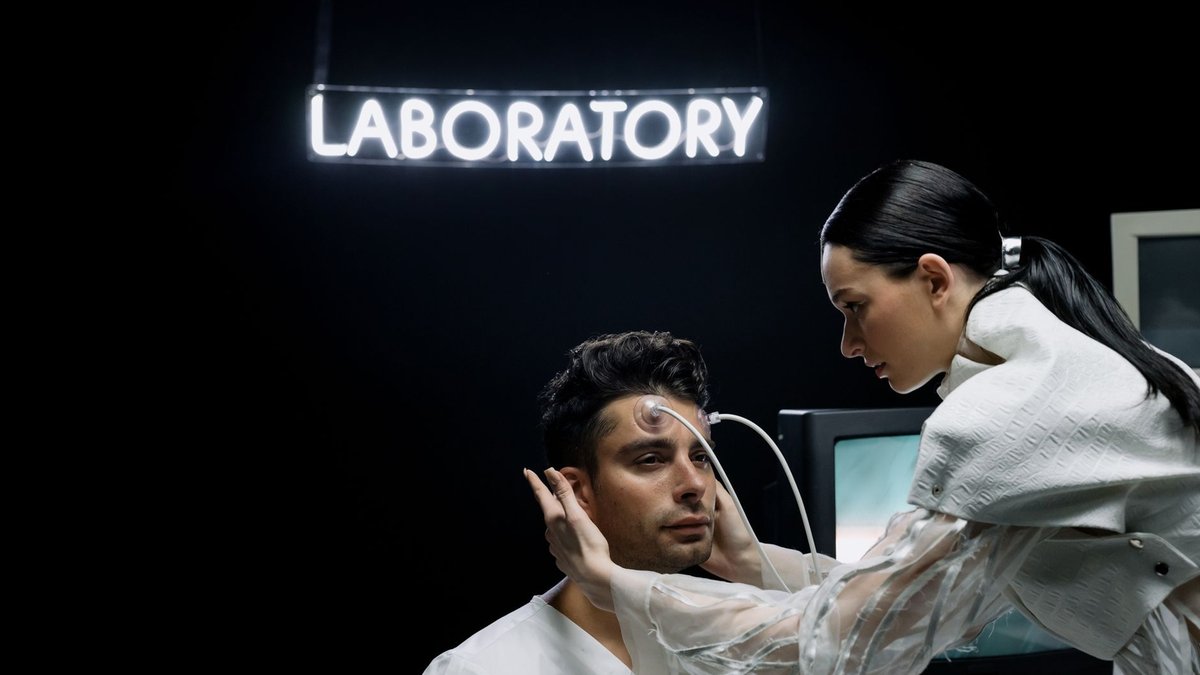
Image Credit: Photo by cottonbro studio on Pexels