

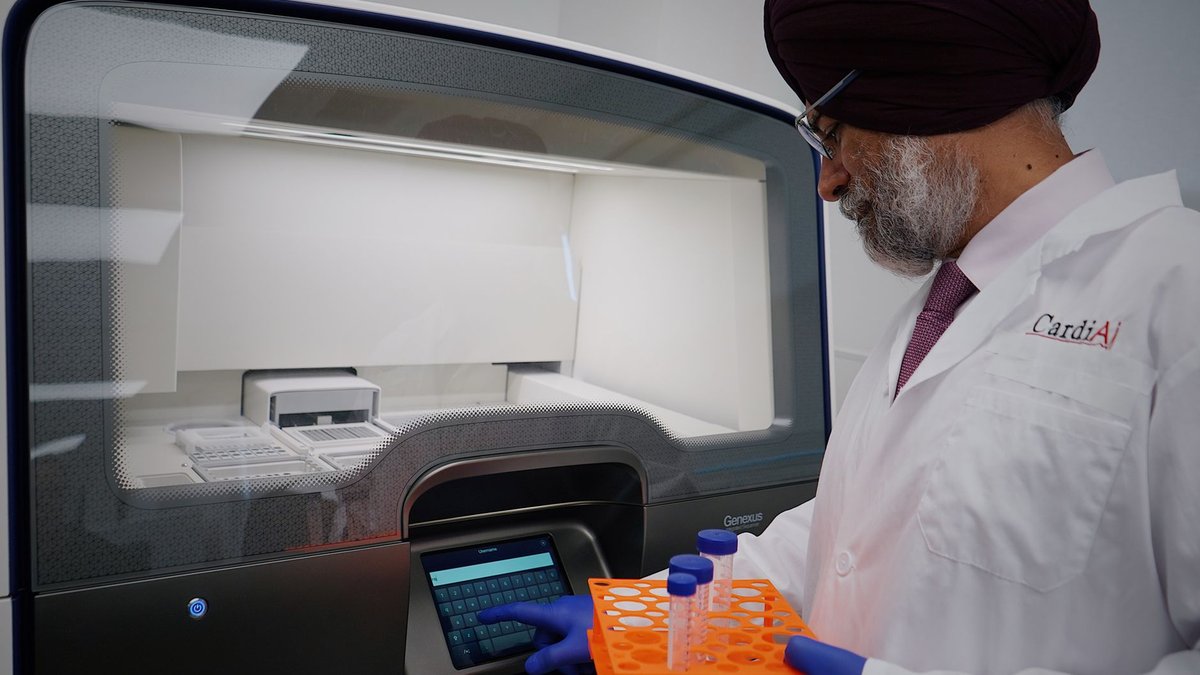
The Growing Imperative of Medical Futurism
In an era defined by accelerating technological advancement, the role of foresight in healthcare has never been more critical. As of September 2026, professionals like Scott Steinberg, recognized as a leading medical futurist, exemplify a growing field dedicated to anticipating and navigating the complex evolution of health and medicine. This specialization is not merely about predicting the future but about understanding the confluence of emerging technologies, societal shifts, and ethical considerations that will redefine patient care, public health, and biomedical innovation.
Context: Navigating Healthcare’s Rapid Evolution
The concept of a medical futurist has evolved significantly over the past decade. Once a niche domain, it has become indispensable for healthcare systems, pharmaceutical companies, and biotech firms grappling with unprecedented rates of change. These experts synthesize insights from diverse fields, including artificial intelligence, genomics, robotics, and personalized medicine, to provide strategic roadmaps. Their work helps organizations prepare for disruptive innovations, identify new market opportunities, and address the ethical dilemmas posed by cutting-edge treatments and data-driven health solutions. The prominence of figures like Steinberg underscores the industry’s recognition of proactive strategic planning as a cornerstone for future resilience and success.
Key Analysis: The Interplay of Tech and Ethics
Medical futurists operate at the intersection of technological possibility and practical application. Their analyses often delve into the ‘why’ behind AI innovations in diagnostics, the implications of CRISPR gene editing on public health policy, or the long-term impact of ubiquitous wearable health monitors. For instance, the ongoing discussions around AI’s role in drug discovery, a field where companies like DeepMind have made significant strides with protein folding predictions, require careful foresight regarding intellectual property, data ownership, and equitable access. Similarly, advances in personalized therapeutics, often discussed at institutions like MIT and Stanford, necessitate ethical frameworks to ensure these powerful tools benefit all segments of society, not just a privileged few. Industry observers note that the core value of medical futurists lies in their ability to translate complex scientific breakthroughs into actionable strategies, thereby bridging the gap between laboratory potential and real-world implementation.
Global Market Implications and Societal Impact
The insights provided by medical futurists have profound global market implications. Their projections influence investment in biotech startups, guide regulatory bodies in drafting future-proof policies, and shape public discourse on health equity. For example, understanding the trajectory of telemedicine adoption and its integration with AI-powered diagnostics helps healthcare providers globally adapt their infrastructure and training programs. The societal impact extends to how individuals manage their health, the nature of doctor-patient relationships, and even the definition of human longevity. As technology enables more proactive and preventative healthcare models, futurists help articulate the new responsibilities placed on individuals and the healthcare system alike, fostering a more informed and adaptive global health ecosystem.
Why This Matters in the Long Run
The sustained importance of medical futurism highlights a fundamental shift in how the healthcare industry approaches strategic planning. It signifies a move from reactive problem-solving to proactive anticipation. In the long term, integrating futurist perspectives into decision-making processes will be crucial for building resilient, equitable, and innovation-driven health systems capable of addressing unforeseen global health challenges. This forward-looking approach ensures that the benefits of technological progress are maximized while potential risks are mitigated, shaping a healthier and more sustainable future for humanity.
As the pace of scientific discovery shows no signs of slowing, the insights offered by medical futurists remain an essential compass, guiding stakeholders through the uncharted territories of tomorrow’s medicine. Their work ensures that the promise of future health technologies is realized responsibly and inclusively.
Image Credit: Photo by World Sikh Organization of Canada on Pexels