Mini Brain Organoids ‘Read’ Braille: A Biohybrid Computing Leap Reviewed in 2026
The demonstration of mini brain organoids ‘reading’ Braille, initially reported by researchers publishing in Frontiers, stands in October 2026 as a pivotal milestone in the burgeoning field of biohybrid computing. This groundbreaking research, which garnered significant attention upon its announcement, showcased lab-grown neural networks interpreting simplified tactile input, pushing the boundaries of what is achievable at the interface of biology and artificial intelligence.
This development, while building on years of foundational neuroscience and organoid research, provided compelling evidence for the practical application of biological computation. The study detailed how these complex cellular structures, derived from human stem cells, were able to process specific patterns presented as Braille, translating physical stimuli into discernible neural activity. This was not ‘reading’ in the human sense of language comprehension, but rather a sophisticated form of sensory data processing, akin to a biological sensor array, exhibiting a capacity for learning and pattern recognition.
Key Analysis: Bridging Biology and Computing
The significance of the organoids’ ‘reading’ capability extends far beyond a laboratory curiosity. It validates the potential for integrating biological components into computational frameworks, a concept that promises to revolutionize computing efficiency and adaptability. Traditional silicon-based systems, while powerful, are energy-intensive and struggle with certain types of complex, ambiguous data processing that biological brains excel at. This research suggests a pathway for biohybrid systems that could leverage the brain’s inherent parallel processing and low-power consumption.
However, the ethical and societal implications of such advancements are already a central topic of debate among neuroethicists and policymakers. The creation of increasingly sophisticated ‘thinking’ biological systems raises profound questions about consciousness, autonomy, and the very definition of intelligence. As these technologies mature, discussions around regulatory frameworks for advanced bio-computing are intensifying globally, with existing legislation like the European Union’s AI Act potentially needing expansion to encompass these novel biological-digital interfaces. The technical challenges also remain formidable, including scalability, long-term viability of organoids in hybrid systems, and the precise integration with electronic components.
Why This Matters in the Long Run
Looking ahead, this breakthrough positions mini brain organoids as a viable, albeit nascent, component in future biohybrid computing architectures. It energizes research into advanced neural interfaces for medical prosthetics, next-generation AI, and offers an unprecedented window into understanding fundamental human cognition and neurological disorders. The long-term trajectory points towards a future where biological and silicon-based computation might converge, offering solutions to problems currently intractable for purely digital systems. This convergence, however, will necessitate rigorous ethical oversight and public discourse to navigate the profound philosophical and practical challenges it presents.
As we navigate the mid-2020s, the ‘reading’ organoids serve as a potent reminder of humanity’s relentless pursuit of computational frontiers, increasingly blurring the lines between the organic and the artificial. The journey towards fully realized biohybrid computing is long, but this foundational step has undeniably set a compelling course.
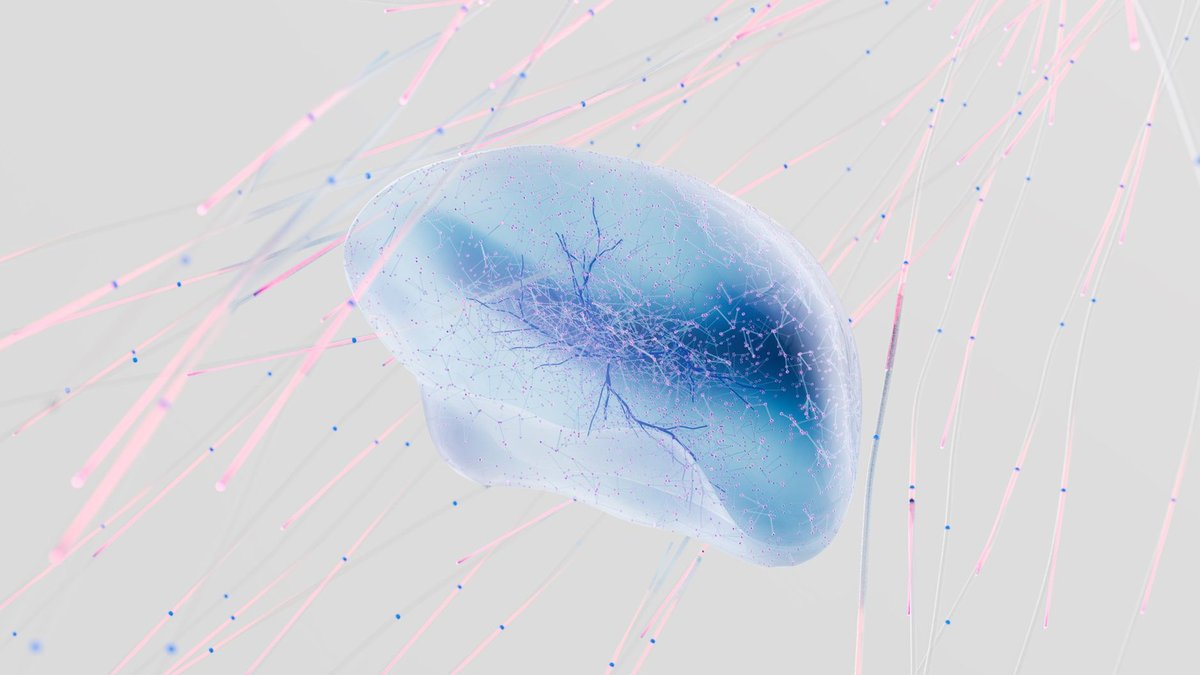
Image Credit: Photo by Google DeepMind on Pexels