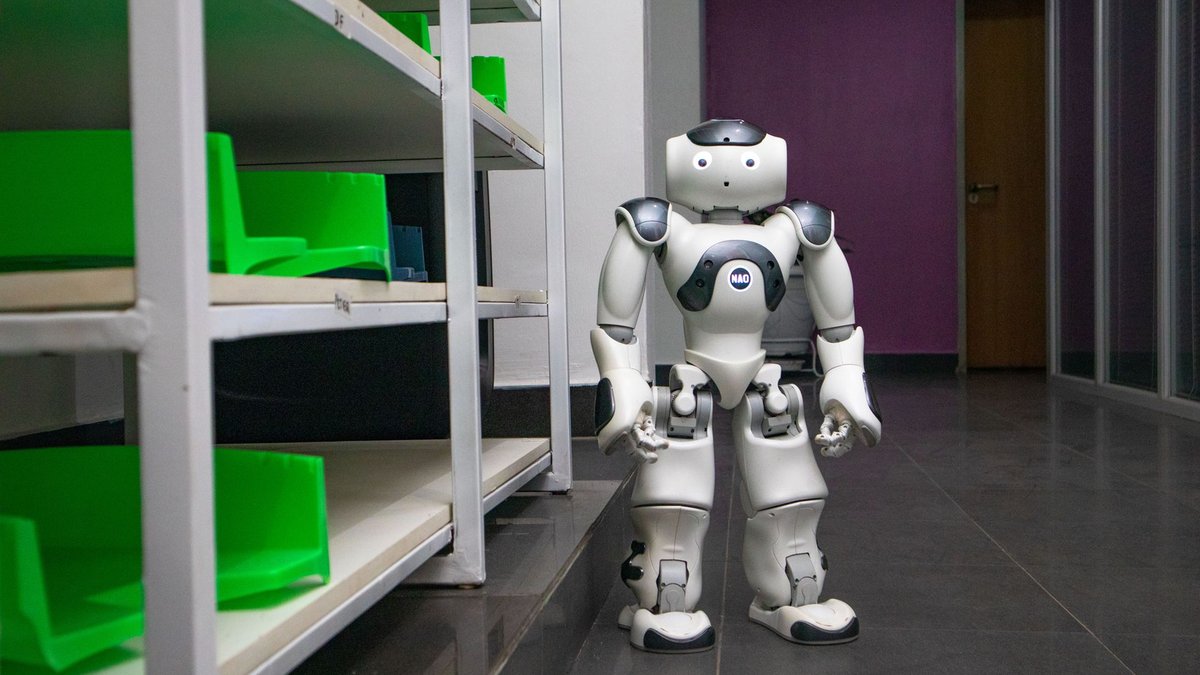
- NASA, Google Advance AI Medical Robot for Deep Space Missions
- AI Medical Robot: NASA & Google’s Deep Space Healthcare Revolution
- NASA, Google’s AI Medical Robot: Autonomous Healthcare for Deep Space
NASA, Google’s AI Medical Robot Test: A Look Back at Deep Space Health Autonomy
In a foundational stride for extraterrestrial exploration, a collaboration between NASA and Google, reported earlier, saw the testing of an AI-powered medical robot designed for deep space missions. This initiative marked a critical juncture in addressing the complex health challenges inherent in long-duration human spaceflight, setting a precedent for autonomous medical care far beyond Earth’s orbit.
The joint effort focused on developing a robotic system capable of performing advanced diagnostic procedures, administering treatments, and monitoring astronaut health without real-time human intervention from ground control. Such capabilities are indispensable for missions to Mars or beyond, where communication delays can stretch to minutes or even hours, rendering immediate remote medical assistance impossible. The project leveraged Google’s advanced artificial intelligence and machine learning expertise, integrating sophisticated algorithms into NASA’s robust robotic platforms to create a truly self-sufficient medical unit.
Key Insights into Autonomous Space Healthcare
The testing of this AI medical robot underscored several critical aspects of future space exploration. Firstly, it highlighted the imperative for predictive health analytics. By continuously monitoring astronauts’ vital signs and environmental factors, the AI system aims to anticipate potential health issues before they become critical, offering proactive rather than reactive care. This shifts the paradigm from treating illnesses to preventing them, a necessity when resources are finite and evacuation is not an option.
Secondly, the project demonstrated the potential for significant Earth-bound applications. The technologies developed for autonomous space medicine, including advanced telemedicine, robotic surgery, and AI-driven diagnostics, have direct relevance for remote healthcare, disaster relief, and military operations. Analysts suggest that the intellectual property generated from such collaborations could accelerate innovation in terrestrial medical robotics and AI, fostering new markets and improving access to specialized care globally. However, ethical considerations regarding the level of autonomy granted to AI in critical medical decisions, data privacy, and the psychological impact on astronauts of being treated by a machine remain active areas of ongoing research and policy debate within institutions like the European Space Agency (ESA) and various bioethics labs.
Why This Matters in the Long Run
As of late 2026, the legacy of this NASA-Google collaboration continues to shape the trajectory of human deep space exploration. The successful testing of an AI-powered medical robot moved humanity closer to the reality of self-sustaining off-world colonies and extended interplanetary voyages. It represents a philosophical pivot: from relying solely on human ingenuity and Earth support to empowering autonomous systems to safeguard human life in the most hostile environments. This shift is not merely technological; it redefines the very parameters of human endurance and independence in the cosmos, paving the way for a future where humanity can venture farther and stay longer, underpinned by intelligent robotic companions.
The initial tests, though not widely detailed in their specific outcomes, signaled a clear commitment from leading tech and space agencies to resolve one of space travel’s most formidable challenges: keeping humans healthy and safe billions of miles from home.
Image Credit: Photo by Tope J. Asokere on Pexels