
Revolutionary Butterfly Microrobots: A New Era in Micro-Propulsion
In a significant leap forward for micro-robotics, researchers are harnessing the intricate biomechanics of butterfly flight to develop next-generation microrobots capable of unprecedented agility and energy efficiency. This bio-inspired propulsion system, highlighted by Tech Briefs, promises to unlock new frontiers in fields ranging from precision medicine to environmental monitoring, marking a pivotal moment in the miniaturization of robotic technology.
The Genesis of Bio-Inspired Micro-Flight
The concept of microrobots is not new, but their practical application has long been hindered by challenges in propulsion, control, and power at such small scales. Traditional methods, often relying on vibrating elements, magnetic fields, or flagella-like structures, frequently compromise on either efficiency, maneuverability, or silent operation. The breakthrough lies in mimicking the complex, dynamic wing movements of butterflies, which allow for remarkable lift generation and intricate aerial maneuvers with minimal energy expenditure.
As reported by Tech Briefs, leading research institutions have been meticulously studying the aerodynamic principles behind butterfly flight, particularly their ability to generate high lift-to-drag ratios and execute rapid directional changes. This involves not just flapping, but also subtle wing deformations, clap-and-fling mechanisms, and vortex manipulation. Translating these natural phenomena into engineered micro-systems requires advanced materials science and sophisticated control algorithms, pushing the boundaries of what was previously thought possible for autonomous micro-scale flight.
Key Analysis: Unlocking Unseen Potential
The “why” behind this innovation is compelling. Microrobots equipped with butterfly-inspired propulsion could operate in environments inaccessible to current technologies. Imagine fleets of silent, energy-efficient robots navigating the human bloodstream for targeted drug delivery, performing minimally invasive surgical procedures, or inspecting delicate internal infrastructure without disruption. Their ability to achieve sustained flight and precise positioning in confined spaces represents a paradigm shift.
Analysts suggest that the advantages of this new propulsion system are multifaceted. Firstly, the inherent efficiency of butterfly flight could dramatically extend the operational lifespan of microrobots, a critical factor for long-duration missions. Secondly, the silent and agile nature of this propulsion makes them ideal for sensitive applications where noise or disturbance is undesirable, such as ecological studies or covert surveillance. Thirdly, the potential for complex, multi-axis maneuverability opens doors for sophisticated tasks that demand high precision and adaptability, far beyond the capabilities of simpler propulsion designs. While challenges remain in miniaturizing power sources and integrating sophisticated sensory systems, the core propulsion problem appears to be yielding to bio-inspired solutions.
Why This Matters in the Long Run
The development of butterfly-inspired microrobots transcends a mere engineering feat; it represents a fundamental shift in our approach to micro-scale automation. In the long term, this technology is poised to redefine healthcare, environmental science, and industrial inspection. Precision medicine could see a revolution with highly localized treatments, minimizing systemic side effects. Environmental monitoring could become more pervasive and less intrusive, allowing for detailed data collection in sensitive ecosystems. Furthermore, the principles learned from this research could inspire other forms of bio-mimetic robotics, leading to a cascade of innovations across various scales and applications. The ethical implications of ubiquitous, highly capable microrobots, particularly concerning privacy and potential misuse, will also require careful consideration as these technologies mature and become more accessible.
As we look towards the future of robotics in 2026, the quiet flutter of a butterfly may well become the blueprint for the next wave of disruptive technological advancement, enabling machines to interact with our world at scales previously confined to science fiction.
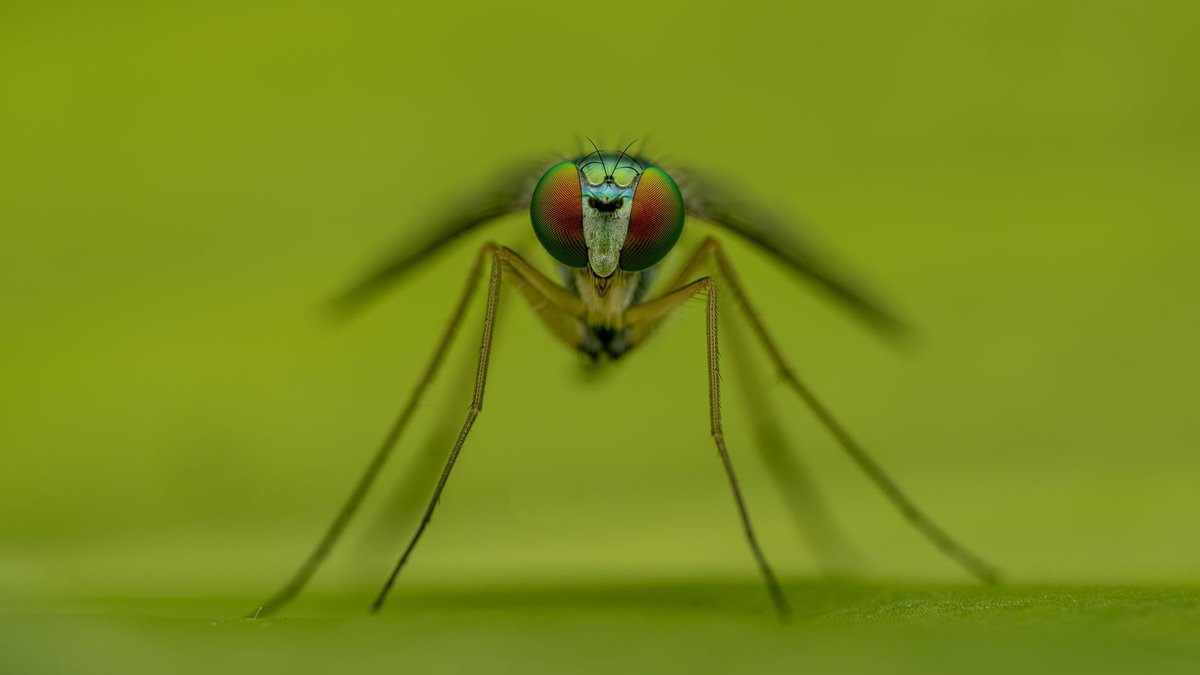
Image Credit: Photo by Skyler Ewing on Pexels