Robotic Surgery Transforms Hernia Repair
The integration of advanced robotics is fundamentally reshaping the landscape of surgical procedures, with hernia repair emerging as a prime beneficiary. As of late 2026, robotic-assisted platforms are no longer a niche tool but a standard of care in numerous institutions globally, promising enhanced precision and improved patient outcomes for a common condition that affects millions.
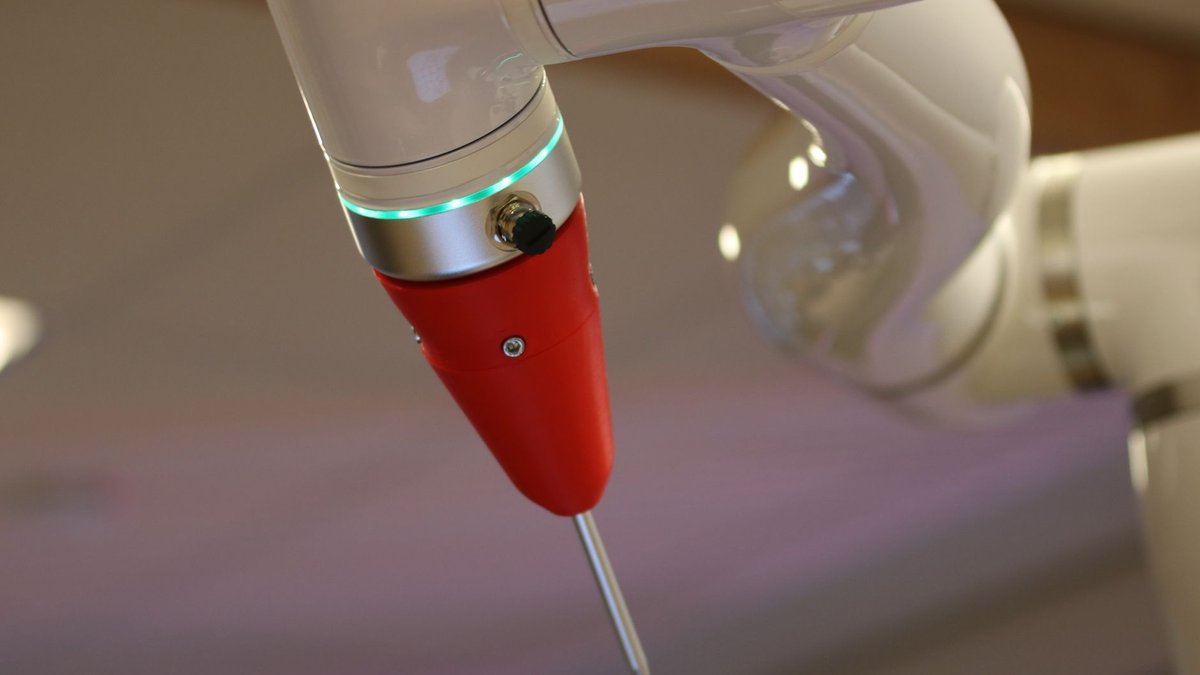
Hernias, a condition where an organ pushes through an opening in the muscle or tissue that holds it in place, have traditionally been repaired through open surgery or conventional laparoscopic techniques. While laparoscopy offered a less invasive alternative to open surgery, robotic systems are now pushing the boundaries further by providing surgeons with superior dexterity, 3D high-definition visualization, and enhanced ergonomic control, translating into more refined tissue dissection and repair.
Key Analysis: Precision and Patient Recovery
The “why” behind the rapid adoption of robotic platforms in hernia surgery centers on several critical advantages. Firstly, the enhanced dexterity and tremor filtration offered by robotic arms allow surgeons to perform intricate dissections and suturing with unparalleled precision, particularly in complex or recurrent hernia cases. This precision can lead to less tissue trauma and reduced blood loss during the procedure. Secondly, patients often experience faster recovery times, less postoperative pain, and a quicker return to normal activities compared to traditional open surgery, due to the minimally invasive nature of the robotic approach. Leading research institutions, including those at Stanford University and Johns Hopkins Medicine, have published studies over the past few years highlighting these benefits, contributing to the growing evidence base supporting robotic surgical interventions.
Societal impact extends to a reduction in hospital stays and potential long-term complications, which can alleviate pressure on healthcare systems. However, the initial capital investment and ongoing maintenance costs of robotic systems, as well as the specialized training required for surgical teams, remain significant considerations for wider global adoption. Ethical discussions continue regarding equitable access to this advanced technology, particularly in lower-resource settings.
Why This Matters in the Long Run
The revolution in hernia surgery driven by robotics is indicative of a broader trend towards autonomous and semi-autonomous systems in healthcare. This shift is not merely about incremental improvements but represents a paradigm change in surgical practice. As robotic platforms become more sophisticated, integrating artificial intelligence for real-time surgical guidance and predictive analytics, the scope for their application will expand exponentially. This trajectory points towards a future where complex surgeries become safer, more standardized, and accessible to a larger patient population, potentially transforming surgical training and the very definition of surgical expertise.
The ongoing refinement of robotic technology promises a future where surgical interventions are characterized by unprecedented levels of precision and patient-centric care.
Image Credit: Photo by Freek Wolsink on Pexels