

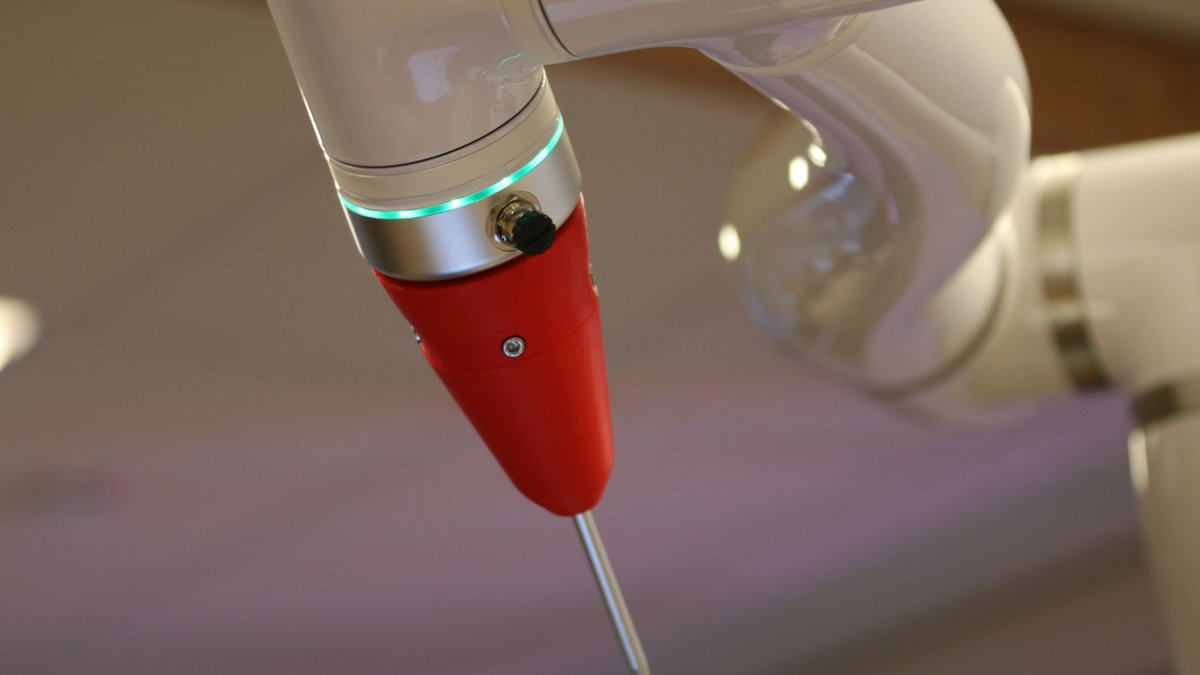
- Emory & Georgia Tech’s MD/MS Robotics Program: A 2026 Retrospective on Medical Innovation
- Robotics MD/MS Program: Emory & Georgia Tech’s Enduring Impact on Healthcare Automation
- Emory-Georgia Tech Robotics MD/MS: Shaping Medical Innovation by 2026
Launch of MD/MS Robotics Program by Emory & Georgia Tech: A Retrospective Analysis (2026)
By 2026, the convergence of medicine and advanced robotics has become an indispensable pillar of modern healthcare. This critical trend was notably anticipated and addressed by pioneering academic initiatives, most prominently the MD/MS dual-degree program in robotics launched by Emory School of Medicine and Georgia Institute of Technology in previous years. This program, based in Atlanta, Georgia, represented a forward-thinking response to the growing demand for professionals capable of bridging the complex divide between clinical practice and cutting-edge engineering.
Context: Bridging the Gap Between Clinic and Code
The establishment of this MD/MS dual-degree program was a landmark development, designed to cultivate a new generation of physician-scientists. These professionals are uniquely equipped with both a deep understanding of human physiology and pathology, alongside the advanced engineering expertise required to design, implement, and ethically manage robotic technologies within healthcare settings. It addressed a clear emerging need for interdisciplinary talent as medical robotics transitioned from niche applications to mainstream clinical tools.
Key Analysis: The Imperative of Interdisciplinary Expertise
In 2026, the foresight behind this program is more apparent than ever. Surgical robotics have evolved significantly, offering unparalleled precision in minimally invasive procedures. AI-driven diagnostic tools increasingly leverage robotic platforms for sample analysis and remote consultations. Furthermore, advanced prosthetics and rehabilitation robotics are dramatically improving patient quality of life. Traditional medical education often provides limited exposure to the intricacies of robotics, while engineering curricula may lack the necessary clinical context and ethical considerations inherent to patient care. The Emory-Georgia Tech program directly addresses this gap, fostering professionals who can innovate within both domains.
Industry observers note that the global market for medical robotics continues its rapid expansion, driving an urgent demand for practitioners who can not only operate but also contribute to the development and responsible application of these technologies. This dual-degree model positions its graduates at the forefront of medical innovation, enabling them to influence future healthcare delivery models, research directions, and regulatory frameworks. The ethical dimensions of autonomous medical devices, patient data security in robotic systems, and the societal impact of technology-driven healthcare are central to the curriculum, preparing leaders to navigate these complex landscapes.
Why This Matters in the Long Run
The Emory-Georgia Tech MD/MS in Robotics program serves as a crucial blueprint for future interdisciplinary education globally. It underscores a fundamental shift in higher education: the necessity of dismantling traditional academic silos to effectively tackle complex, multi-faceted challenges in a rapidly advancing world. In the long term, such integrated programs are poised to accelerate the responsible adoption of advanced medical technologies, potentially leading to more precise surgical interventions, highly personalized treatments, and significantly improved patient outcomes worldwide. Moreover, these programs are instrumental in shaping the ethical and regulatory frameworks that govern the deployment of powerful new tools, ensuring technology serves humanity with both unprecedented precision and profound ethical foresight. This educational model is vital for institutions aiming to maintain competitive advantage in the global, tech-driven healthcare sector.
Image Credit: Photo by Freek Wolsink on Pexels