

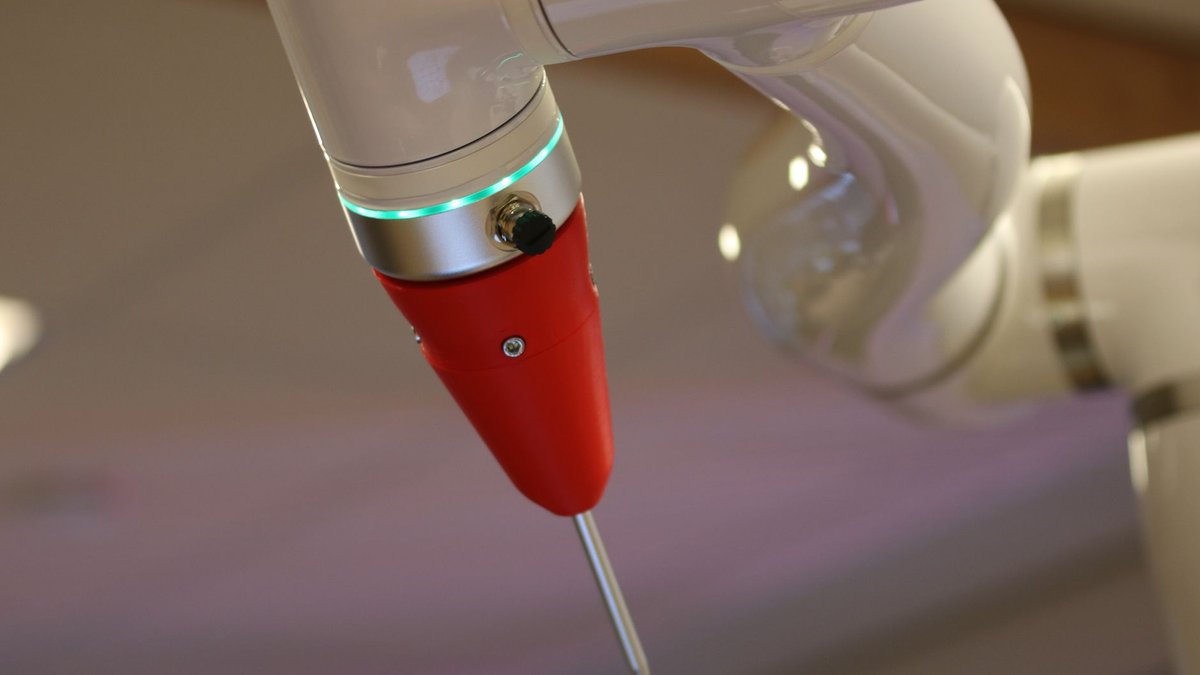
- Convergence: Emory-Georgia Tech Dual Degree Reshaping Medical Robotics Talent by 2026
- IEEE Celebrates Innovators Shaping the Future – spectrum.ieee.org
- Bridging the Gap: Emory & Georgia Tech’s Dual-Degree in Med-Robotics
Bridging Disciplines: Emory and Georgia Tech’s Dual-Degree Impact
In a strategic move that anticipated the evolving landscape of healthcare, Emory University and the Georgia Institute of Technology established a pioneering dual-degree pathway several years ago, specifically designed to merge the fields of medicine and robotics. This initiative, now observed in 2026, has positioned graduates at the forefront of a rapidly advancing sector, addressing the critical need for professionals adept in both clinical practice and advanced technological application.
The program, initially announced as a collaboration between two leading institutions – Emory, renowned for its medical excellence, and Georgia Tech, a powerhouse in engineering and robotics – aimed to cultivate a new generation of healthcare innovators. Students enrolled in this pathway pursue parallel studies, gaining comprehensive knowledge in medical sciences while simultaneously mastering the intricacies of robotic systems, artificial intelligence, and biomedical engineering. This interdisciplinary approach was a direct response to the burgeoning demand for specialized expertise capable of integrating robotic solutions into diagnostics, surgical procedures, rehabilitation, and patient care.
Key Analysis: The Convergence of Care and Automation
The foresight behind Emory and Georgia Tech’s dual-degree pathway is increasingly evident in 2026. Industry analysts suggest that the program directly addresses a widening skills gap in the global healthcare sector. As robotic surgical platforms become more sophisticated, AI-driven diagnostic tools more prevalent, and automated rehabilitation devices more accessible, the need for practitioners who not only understand the medical implications but also the engineering principles behind these technologies is paramount. Graduates from this pathway are uniquely equipped to navigate complex ethical considerations, optimize human-robot interaction in clinical settings, and drive the development of next-generation medical devices.
Observers note that this model of integrated education is becoming a blueprint for other institutions globally. The societal impact extends beyond technical advancements; it fosters a holistic understanding of patient needs intertwined with technological capabilities. For instance, designing a robotic prosthetic requires not only advanced engineering but also a deep empathy for the patient’s physical and psychological experience, a blend of perspectives that this dual-degree aims to instill. The global market implications are substantial, with a growing demand for these hybrid professionals in medical device companies, specialized hospitals, and cutting-edge research facilities.
Why This Matters in the Long Run
The Emory and Georgia Tech dual-degree pathway represents more than just an academic offering; it symbolizes a fundamental shift in how future healthcare professionals are trained. In the long run, this integrative model is critical for ensuring that technological progress in medicine remains patient-centric and ethically sound. It will likely accelerate the adoption of advanced robotics in underserved medical fields, improve surgical outcomes through precision, and revolutionize rehabilitation by providing highly personalized therapies. As healthcare continues its rapid digitization and automation, such programs are essential for creating the leadership and expertise needed to guide this transformation responsibly and effectively, shaping a future where technology truly augments human care rather than replacing it.
Conclusion
The ongoing success and relevance of the Emory and Georgia Tech dual-degree pathway underscore the imperative for interdisciplinary education in an increasingly complex world. As of 2026, it stands as a testament to strategic academic collaboration, preparing a specialized workforce ready to define the next era of medical innovation.
Image Credit: Photo by Freek Wolsink on Pexels