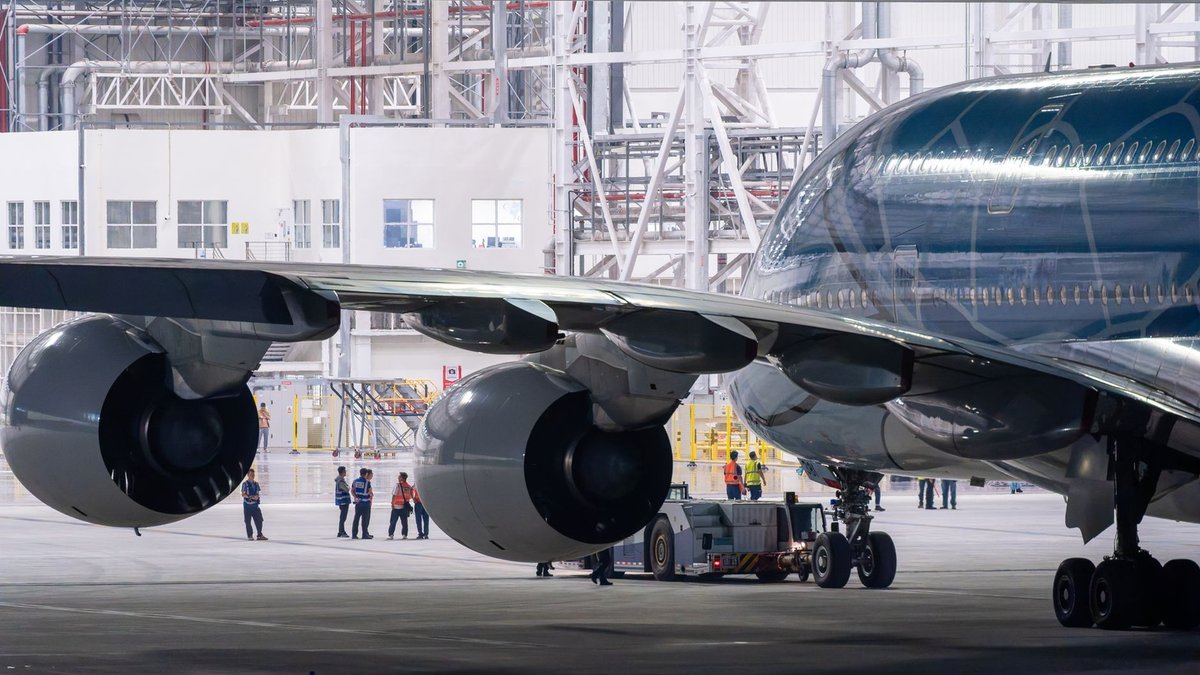
ST Engineering’s Changi Creek MRO Facility: A 2026 Retrospective on Innovation
Three years ago, ST Engineering’s new Maintenance, Repair, and Overhaul (MRO) facility at Changi Creek in Singapore emerged as a pivotal example of advanced technological integration in the aerospace sector. Showcased in a gallery by Aviation Week, this facility underscored a significant leap towards smart, data-driven aerospace maintenance, setting a precedent for industry modernization.
The Changi Creek MRO facility, as highlighted by Aviation Week, was designed to incorporate a suite of cutting-edge technologies aimed at revolutionizing aircraft maintenance processes. These innovations included advanced robotics for precision tasks, automated guided vehicles (AGVs) for efficient material handling, and sophisticated data analytics platforms for predictive maintenance. The strategic adoption of these technologies positioned the facility not merely as a repair hub but as a high-tech ecosystem for aerospace sustainment.
Key Analysis: Foresight in Aerospace MRO
From the vantage point of October 2026, the technological foresight demonstrated by ST Engineering at its Changi Creek facility has proven instrumental. The integration of Industry 4.0 principles, such as interconnectivity, real-time data, and automation, addressed the growing complexities of modern aircraft maintenance, including the servicing of new-generation composite airframes and highly integrated avionics systems. Analysts, both at the time of its unveiling and today, emphasize that this investment was critical for maintaining competitive edge in a global MRO market increasingly demanding higher efficiency, faster turnaround times, and enhanced safety protocols.
The facility’s emphasis on data-driven operations enabled a shift from reactive to proactive maintenance. By leveraging vast datasets from aircraft operations and maintenance histories, the predictive analytics capabilities at Changi Creek allowed for the early detection of potential failures, optimized maintenance schedules, and reduced unplanned downtime. This not only translated into significant cost savings for airlines but also improved operational reliability, a paramount concern in the aviation industry. Furthermore, the adoption of automation and robotics addressed persistent challenges related to skilled labor shortages, allowing human technicians to focus on more complex, value-added tasks requiring critical thinking and problem-solving.
Why This Matters in the Long Run
The ST Engineering Changi Creek MRO facility stands as a testament to the ongoing digital transformation within the global aerospace sector. Its early adoption of comprehensive automation and data analytics has influenced subsequent MRO facility designs worldwide, pushing the industry towards a future where maintenance is less about manual labor and more about intelligent systems and precision engineering. This shift has profound implications for global supply chains, workforce development, and the overall sustainability of aviation, ensuring that aircraft remain safe and operational for longer periods with a reduced environmental footprint. The Changi Creek model continues to serve as a blueprint for how nations can leverage technological innovation to secure their position in high-value industrial sectors.
The strategic innovations implemented at Changi Creek underscore Singapore’s enduring commitment to leading the aerospace MRO sector through technological advancement and operational excellence.
Image Credit: Photo by Peter Xie on Pexels