TDK’s Robotics Components: A Retrospective on Humanoid Advancement by 2026
Looking back from November 2026, TDK’s early showcase of advanced sensor and passive component solutions for humanoid robotics at a Hong Hai (Foxconn) Tech Day, likely held in 2024 or 2025, stands as a foundational moment in the industry’s rapid progression. This event underscored the critical, often unseen, technological underpinnings necessary for the sophisticated capabilities now expected from modern humanoid platforms.
In what was then a forward-looking presentation, TDK, a global leader in electronic components, demonstrated how its specialized technologies would enable humanoid robots to achieve greater perception, dexterity, and energy efficiency. The context of this exhibition at a Foxconn (Hong Hai) event was particularly significant, signaling a nascent but growing industrial interest from a manufacturing giant in the mass production potential of these complex machines. It highlighted a crucial convergence: expert component development meeting large-scale manufacturing ambition, a partnership that has since proven vital for the sector.
Key Analysis: The Silent Enablers of Humanoid Evolution
The core of TDK’s contribution lay in its high-performance sensors and passive components. In 2026, we see the direct impact of such innovations. Advanced sensors, for instance, are no longer just about basic environmental perception; they now provide humanoids with nuanced haptic feedback, allowing for delicate manipulation of objects, and enhanced proprioception, crucial for dynamic balance and fluid movement. Passive components, often overlooked, have been instrumental in miniaturizing power management systems and ensuring signal integrity within the robot’s dense electronic architecture, directly contributing to the sleeker designs and extended operational times of today’s humanoids.
Analysts at institutions like the Robotics Institute at Carnegie Mellon have consistently pointed to the integration of highly sensitive and robust components as a persistent challenge, and indeed, a critical bottleneck, in humanoid development. The commitment from component specialists like TDK to tailor solutions for this demanding field has been pivotal. Without such specialized hardware, the ambitious software and AI advancements driving humanoid intelligence would lack the physical means to interact effectively with the real world. The ongoing developments in robotics, from Boston Dynamics’ Atlas demonstrations to the increasing sophistication of platforms from Figure AI and Tesla, all rely heavily on this intricate component-level engineering.
Why This Matters in the Long Run
The strategic alignment observed at that Foxconn Tech Day—a leading component provider showcasing to a manufacturing powerhouse—is now recognized as a key accelerant for the industrialization of humanoid robotics. This early groundwork has directly contributed to the 2026 landscape, where humanoids are transitioning from experimental prototypes to practical applications in logistics, manufacturing, and potentially even specialized services. The ability to mass-produce reliable, high-performance components at scale is essential for reducing the cost and increasing the accessibility of these robots, setting the stage for their broader integration into global economies and daily life. This trend continues to raise profound questions about labor markets, societal adaptation, and the ethical frameworks governing human-robot interaction.
The foresight shown by TDK in targeting this nascent sector has paid dividends, establishing critical technological pathways that continue to shape the future capabilities and commercial viability of humanoid robots, moving them closer to widespread deployment.
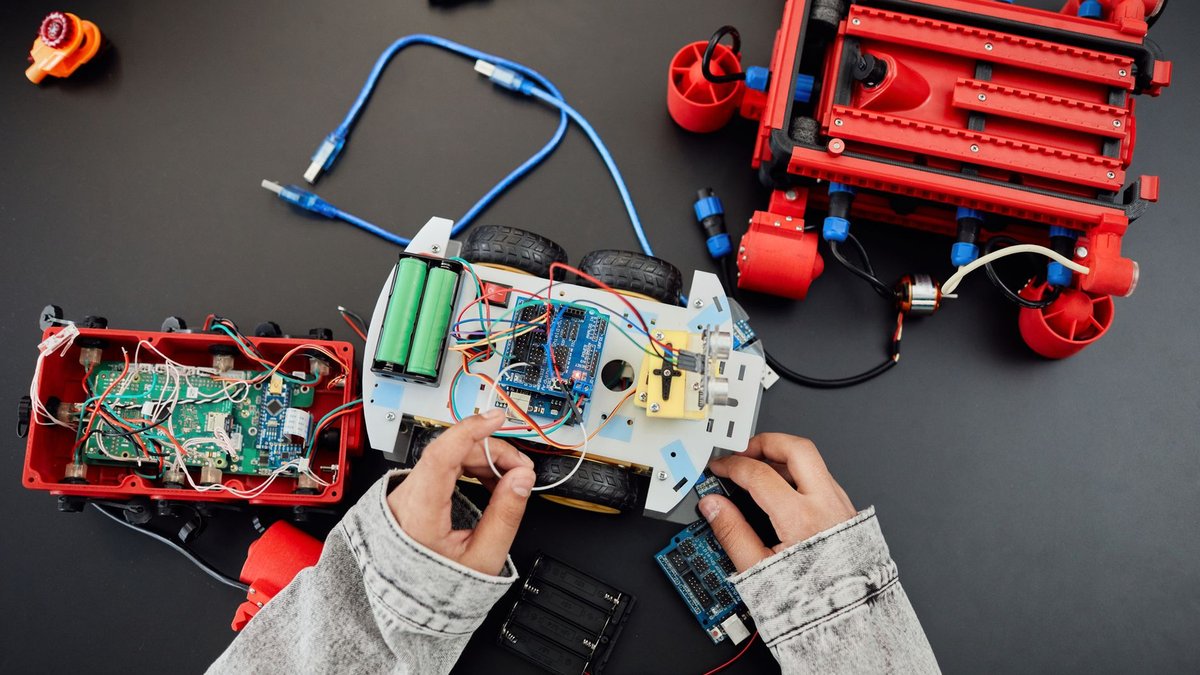
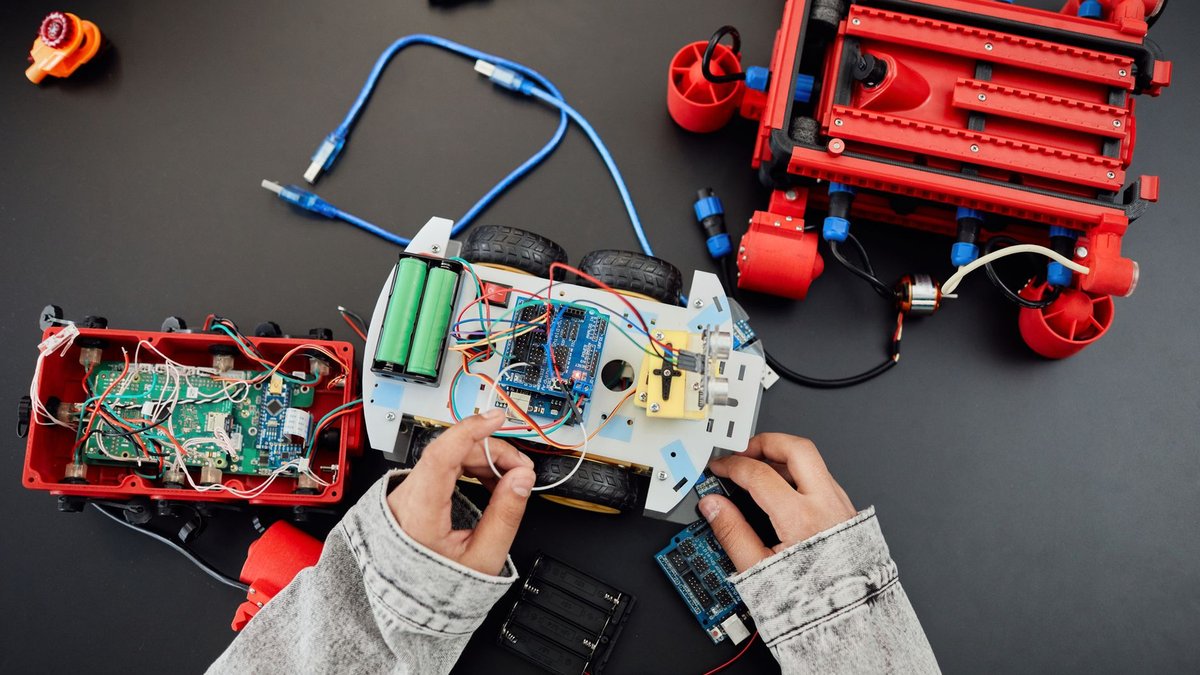
Image Credit: Photo by Vanessa Loring on Pexels