

How do you find your way home without a map, or navigate a new city after just a few minutes? Your brain has a built-in navigation system, much like a biological GPS. This amazing ability was a major puzzle for a long time. But thanks to the work of several scientists, we now understand how it works. Their discoveries earned them the 2014 Nobel Prize in Physiology or Medicine and continue to inspire new ideas in medicine and technology.
The Brain’s Map-Making Cells
The story of this discovery has two key parts. First, in the 1970s, scientist John O’Keefe found special nerve cells in a part of the brain called the hippocampus. He called them “place cells.” As he observed in his research, these cells act like a pin on a map, becoming active only when an animal is in a specific, familiar spot. This proved the brain was making a kind of map of its surroundings.
But how did the brain create the map itself? That question was answered decades later by Edvard and May-Britt Moser. They discovered a different type of cell in a nearby brain area. These “grid cells” fire in a unique pattern, like a honeycomb or a grid of triangles, as a person or animal moves around. According to the Nobel Prize committee, these cells create a coordinate system. This allows the brain to measure distances and track its position, even in a brand new place.
How the Inner GPS Works Together
These two types of cells work as a team to form a complete navigation system. Think of it this way: the grid cells draw the “graph paper” for the entire environment, providing a structured background map. Then, the place cells mark the important landmarks on that paper, like “home,” “office,” or “favorite coffee shop.”
In talks at events like the World Science Festival, Nobel laureate Edvard Moser often explains how this system is constantly updating. It tracks your speed, direction, and position to build a rich and detailed mental map of the world. This internal map is not just for finding your way; it’s also closely linked to how we form and recall memories. Many of our memories are tied to the places where they happened, thanks to this remarkable system.
From Lab Research to Real-World Impact
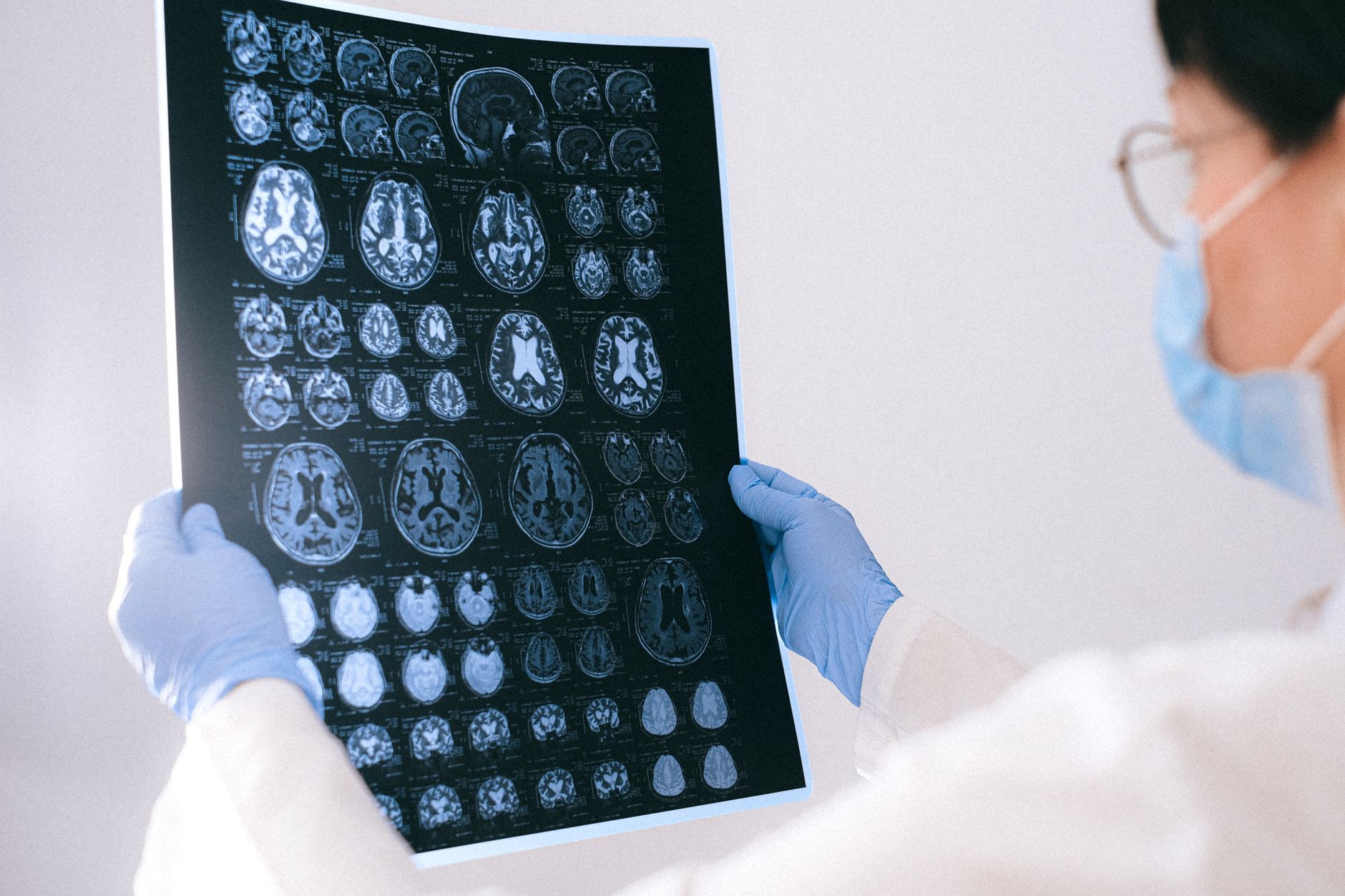
Understanding the brain’s GPS has important real-world uses. For example, the brain regions where place and grid cells are found are among the first to be damaged by Alzheimer’s disease. This is why getting lost and feeling disoriented are often early signs of the illness. Researchers are now developing tests based on navigation skills to help detect Alzheimer’s earlier. While specific figures are not yet confirmed, this could provide a crucial window for future treatments.
The brain’s efficient design is also inspiring new technology. The way grid cells map a large area with relatively few cells is a model of efficiency. Engineers are studying this system to build better navigation for robots, drones, and self-driving cars. As described in scientific journals like Nature, learning from the brain’s “code” could help create smarter and more energy-efficient artificial intelligence. This discovery about our own minds is paving the way for the technology of the future.
Image Credit: Photo by Anna Shvets on Pexels