
UK’s Call for AI Medical Device Overhaul: A 2026 Retrospective on Regulatory Evolution
In a pivotal moment that continues to shape digital health policy, the United Kingdom faced urgent calls in earlier years to significantly reform its regulatory framework governing AI-powered medical devices. This demand, widely reported by outlets like Bloomberg, underscored the growing recognition of artificial intelligence’s transformative, yet complex, role in healthcare. As of September 2026, these discussions serve as a critical historical marker in the ongoing global effort to balance innovation with patient safety in the rapidly evolving MedTech landscape.
The initial pleas for an overhaul emerged as AI began to integrate deeply into diagnostics, treatment recommendations, and surgical assistance. Experts highlighted a critical gap: traditional medical device regulations, designed for static hardware, were ill-equipped to manage the dynamic, learning algorithms characteristic of advanced AI. The core concern revolved around ensuring the safety, efficacy, and ethical deployment of systems that could evolve post-market, potentially altering their performance characteristics without immediate human intervention or regulatory re-assessment. This challenge forced policymakers to confront the need for agile frameworks capable of adapting to continuous algorithmic updates and data-driven learning.
Key Analysis: Navigating Algorithmic Complexity
The impetus behind the UK’s regulatory re-evaluation stemmed from the inherent ‘black box’ nature of many sophisticated AI models and their capacity for continuous learning. Unlike conventional software, AI medical devices often improve or adapt based on new data, raising questions about accountability, transparency, and the maintenance of performance standards over time. Industry observers, as reported by Bloomberg, emphasized that without a tailored approach, the UK risked either stifling innovation through overly rigid rules or compromising patient safety by failing to adequately scrutinize these advanced technologies. The debate centered on creating a system that could pre-emptively assess risks, monitor real-world performance, and enforce clear lines of responsibility for AI-driven health outcomes.
Moreover, the ethical dimensions of AI in healthcare, particularly concerning data privacy, bias in algorithms, and equitable access, were central to these early regulatory discussions. The potential for AI systems to perpetuate or even amplify existing health disparities, if trained on unrepresentative datasets, became a significant talking point. This prompted calls for robust frameworks that not only ensured technical safety but also mandated ethical considerations throughout the entire lifecycle of an AI medical device, from development to deployment and decommissioning. The UK’s proactive engagement with these issues positioned it as a key player in shaping global best practices for AI governance in health.
Why This Matters in the Long Run: A Blueprint for Global AI Governance
The UK’s early recognition of the need to overhaul AI-medical device regulation has had a profound and lasting impact. By September 2026, the principles debated during those initial calls—adaptability, continuous monitoring, ethical safeguards, and post-market surveillance for evolving AI—have become foundational elements in the development of AI governance frameworks globally. This historical push for reform in the UK has served as a blueprint, influencing policy discussions in the EU, US, and Asia, where similar challenges in regulating advanced AI across various sectors, not just healthcare, are being addressed. It underscored the critical necessity for nations to move beyond traditional regulatory paradigms to embrace dynamic, forward-looking approaches that can keep pace with technological advancement.
The journey to create comprehensive and effective regulatory pathways for AI medical devices is far from over. However, the foundational discussions and urgent calls for overhaul that characterized the UK’s approach in earlier years continue to resonate, reminding us of the enduring challenge and paramount importance of responsible AI integration into critical sectors like healthcare.
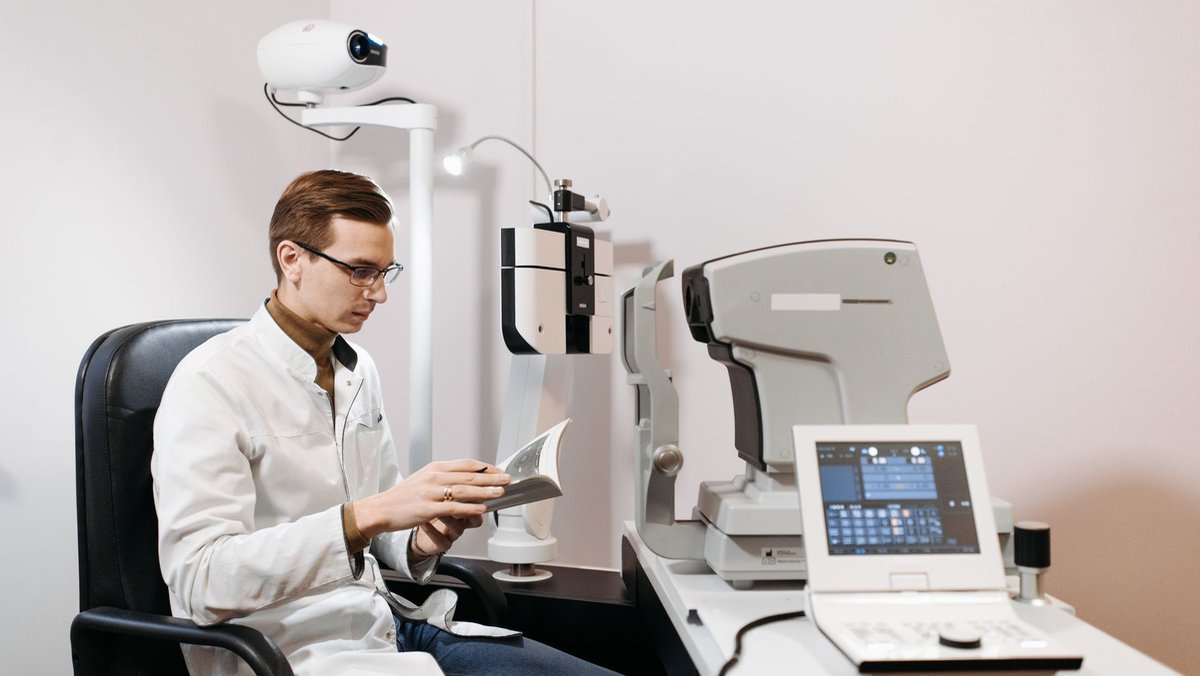
Image Credit: Photo by Pavel Danilyuk on Pexels