

- Super Intelligence Force: Securing America’s 2026 Tech Advantage
- Building America’s AI Edge: The Super Intelligence Force Initiative
- Weekly Tech Insights 2026: Navigating the Future with SingularityHub
In a rapidly evolving global landscape, the pursuit of technological supremacy remains a cornerstone of national strategy. As of October 06, 2026, discussions surrounding the United States’ strategic initiatives continue to underscore the critical importance of advanced capabilities. A notable concept that emerged in recent years, highlighted by industry observers such as GovCon Wire, is the formation of a “Super Intelligence Force,” designed to forge America’s next significant technological advantage.
This strategic imperative, first brought into public discourse through outlets focusing on government contracting and defense, outlines a comprehensive drive by the United States to cement its leadership in critical emerging technologies. The core objective is to leverage breakthroughs in artificial intelligence (AI), quantum computing, and advanced autonomous systems to ensure a decisive edge in both defense and economic sectors. This isn’t merely about incremental improvements; it’s about fundamentally reshaping the technological foundation upon which future power dynamics will rest.
Key Analysis: The Imperative for Integrated AI Leadership
The concept of a “Super Intelligence Force” transcends traditional research and development efforts, signaling a deeply integrated approach to technological development. Analysts suggest this strategy is a direct response to escalating global competition and the recognition that AI, in particular, is not just a tool but a foundational layer for future innovation across all domains. The initiative aims to unify efforts from various government agencies, private sector innovators, and academic institutions, creating a cohesive ecosystem for rapid development and deployment.
Beyond military applications, the economic implications are vast. Dominance in super intelligence technologies promises to unlock new industries, revolutionize existing ones, and secure a competitive edge in the global market. However, this pursuit is not without its challenges. Ethical considerations surrounding AI deployment, the need for a highly skilled workforce, and the imperative to foster responsible innovation are paramount. Institutions like MIT and Stanford continue to publish extensive research on these ethical frameworks, emphasizing the dual-use nature of these powerful technologies and the need for robust governance.
Why This Matters in the Long Run: Shaping the Future Global Order
The establishment of a “Super Intelligence Force” represents more than just a momentary surge in technological investment; it is a long-term play for geopolitical influence and economic resilience. In an era where technological prowess increasingly dictates national power, the success of such an initiative will define America’s standing for decades to come. It underscores a strategic pivot towards proactive innovation, aiming to anticipate and shape future technological frontiers rather than merely react to them. The global market implications are profound, potentially leading to new international standards, supply chain realignments, and a redefinition of industrial leadership, impacting everything from advanced manufacturing to cybersecurity.
As of late 2026, the trajectory of this ambitious endeavor continues to unfold, with ongoing investments in foundational research and strategic partnerships. The ultimate measure of its success will lie in its ability to translate theoretical advancements into tangible, secure, and ethically sound technological advantages that benefit both national interests and global progress.
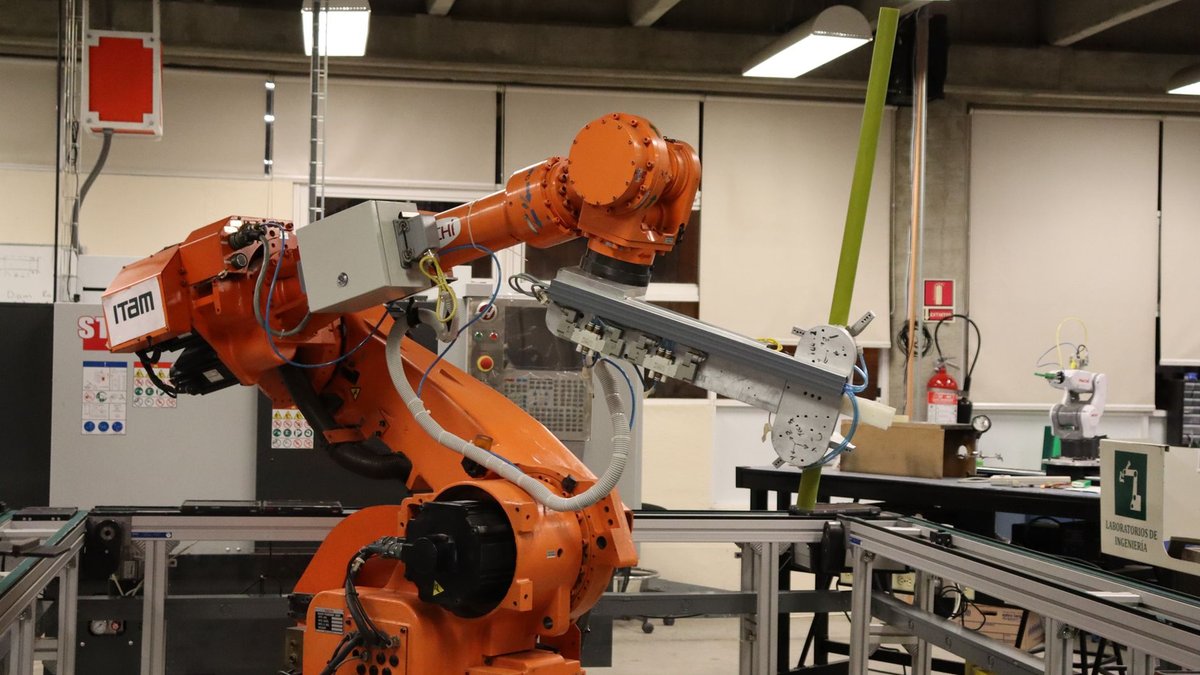
Image Credit: Photo by Pachon in Motion on Pexels