

USA Robotics Roadmap 2026: Assessing a Nation’s AI-Driven Future
As of September 2026, the United States’ strategic initiatives in robotics, once highlighted in a prominent Robohub ‘spotlight of the month’ series, continue to shape the nation’s technological landscape. This forward-looking roadmap, likely published in the mid-2020s, laid the groundwork for a concerted effort to accelerate robotics innovation, addressing critical areas from industrial automation to ethical deployment.
The original Robohub feature underscored the United States’ commitment to maintaining global leadership in robotics. The roadmap articulated ambitious goals, including fostering advanced research and development, strengthening public-private partnerships, and preparing the workforce for an increasingly automated future. Its release marked a pivotal moment, signaling a consolidated national strategy rather than fragmented efforts across various sectors.
Key Analysis: Navigating Progress and Pitfalls
By 2026, the impact of the US Robotics Roadmap is becoming clearer, albeit with a complex mix of successes and emergent challenges. Industry observers note significant strides in specific domains, particularly in defense robotics and logistics automation, where substantial federal investment has driven rapid prototyping and deployment. Universities such as Carnegie Mellon and Stanford have, in conjunction with government grants, pushed boundaries in areas like collaborative robotics and advanced perception systems, aligning with the roadmap’s emphasis on foundational research.
However, the journey has not been without its complexities. The integration of artificial intelligence into robotics, a cornerstone of the roadmap, has raised intricate ethical and regulatory questions. Concerns regarding data privacy, algorithmic bias, and the future of human employment have necessitated ongoing dialogues between policymakers, technologists, and civil society. While the roadmap aimed to address workforce transformation, the pace of automation in certain sectors has outstripped retraining initiatives, creating pockets of economic disruption, according to recent labor reports. The goal of broad societal adoption also faces hurdles, with public perception often lagging behind technological capability, as noted by researchers at MIT’s Computer Science and Artificial Intelligence Laboratory (CSAIL).
Why This Matters in the Long Run
The United States Robotics Roadmap represents more than just a list of technological objectives; it is a blueprint for national competitiveness and societal evolution in the age of intelligent machines. Its long-term success hinges on its adaptability to unforeseen technological shifts and its capacity to address the profound societal implications of widespread robotic integration. The lessons learned from its implementation by 2026—particularly concerning ethical AI governance, equitable workforce transition, and sustainable innovation ecosystems—will be critical in shaping not only the future of American industry but also its standing on the global stage. As other nations advance their own robotics strategies, the US roadmap serves as a crucial benchmark for the responsible and effective harnessing of robotic potential.
The ongoing evolution of the US Robotics Roadmap will continue to be a defining narrative in the global tech race, influencing everything from national security to daily economic life.
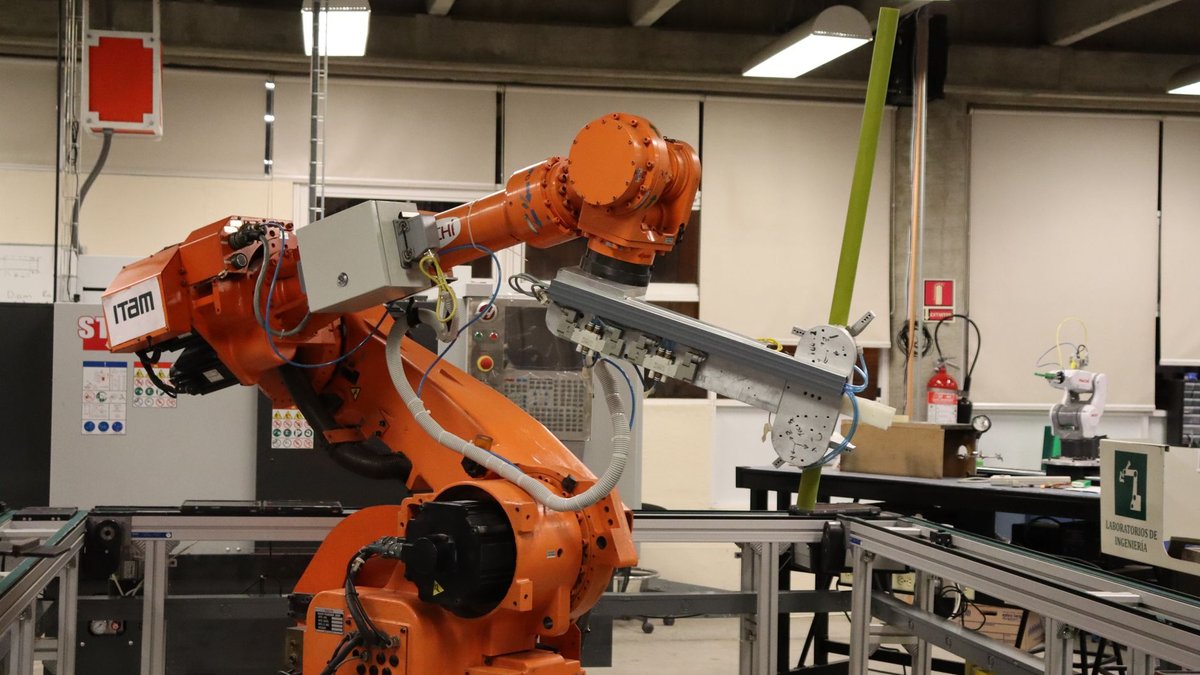
Image Credit: Photo by Diego Martinez on Pexels